
Have you ever noticed how your meals can lift your mood or give your body a little boost? A holistic nutritionist sees your eating habits as just one piece of a bigger puzzle. They don’t just look at what you eat; they also pay attention to the little daily moments and comforting rituals that shape your well-being. Picture enjoying a warm sip of tea that gently kick-starts your day, much like tending to a garden with love. This way of thinking ties food to lasting benefits for both your body and your mind, showing that a few mindful changes can help you feel healthier and happier.
Holistic Nutritionist: Definition, Scope, and Benefits
A holistic nutritionist looks at your overall well-being and shows how the food you eat can affect your body, mood, and mind. They believe that what we eat, how much stress we face, our relationships, and even our sense of happiness all blend together to shape our health. Imagine starting your morning with a warm cup of herbal tea while you sit and think about your day. That little ritual is a perfect example of how nutrition and your feelings work together.
They do much more than just plan healthy meals. Holistic nutritionists also provide advice to help ward off long-term problems like diabetes, heart issues, or even memory loss as we age. They consider how everyday pressures might slow your digestion or zap your energy, kind of like tending a garden where each plant needs its own care to grow well. As one expert puts it, “Think of your body as a living canvas where every meal adds a brushstroke toward a vibrant masterpiece.” Each suggestion is tailored to fit your own lifestyle and needs.
People really benefit from this personalized approach. Many clients enjoy services without having to pay out-of-pocket, thanks to wide insurance and program coverage. By focusing on the whole person and offering advice that fits your daily life, holistic nutritionists help you make lasting changes that boost both physical and mental health, setting you on the path to overall well-being.
Core Services Offered by a Holistic Nutritionist

Holistic nutritionists provide a variety of personalized health services to boost your overall well-being. They craft meal plans that balance proteins, fats, carbs, and the essential vitamins, minerals, and antioxidants your body needs. They also offer the option of in-home biomarker testing using simple saliva or finger-prick tests to check hormones, nutrient levels, thyroid function, and even screen for conditions like celiac disease or diabetes. This mix of modern food therapy and tailored advice ensures your plan fits you perfectly rather than a one-size-fits-all routine.
They also offer flexible coaching sessions on a weekly, bi-weekly, or monthly basis with month-to-month memberships, so you can work toward your health goals at a steady pace. Many clients report losing 1–2 pounds per week when they follow their custom meal plans and use continuous glucose monitoring to fine-tune their progress. An AI-powered mobile app is included too, making it easy to track your meals, fitness, and health goals with weekly meal plans and recipe ideas. Curious about how to keep track of your health metrics? You can find more details in that section.
- Personalized meal plans
- In-home biomarker testing options
- AI-powered nutrition tracking app
- Flexible, commitment-free coaching sessions
Together, these services blend modern techniques with personal care to help you feel vibrant and healthy every day.
Credentials and Certification for Holistic Nutritionists
Most holistic nutritionists earn a bachelor’s degree in a science-related field before they gain certifications like Registered Dietitian Nutritionist (RDN), Certified Nutrition Specialist (CNS), or Naturopathic Doctor (ND). Their studies in accredited nutrition programs mix solid academic work with real-world training. Did you know many of them start by balancing biology classes with hands-on internships, kind of like mixing ingredients for the perfect recipe?
Scholarships can lighten the financial burden. For example, the First-Gen Futures Scholarship accepts applications until October 1, with winners announced on October 31. If you have a military background, the Annual Hero’s Legacy Scholarship might be right for you, with submissions due by April 1, 2026, and winners revealed on May 1, 2026. These opportunities make it easier for talented individuals to begin their careers without the heavy cost.
Also, many Registered Dietitian Nutritionists work with insurance companies like Aetna, Cigna, and UnitedHealthCare to keep services affordable for clients. For more details on education pathways and extra support, check out the holistic wellness programs link provided.
- Bachelor’s degree and accredited science courses.
- Credentials such as RDN, CNS, or ND.
- Scholarship opportunities and partnerships with major insurance networks.
- Available funding and detailed program info through holistic wellness programs.
Together, these elements show that holistic nutritionists are well-trained and truly dedicated to helping you achieve vibrant health.
How to Choose the Right Holistic Nutritionist for You

When you're looking for a holistic nutritionist, it's best to find someone who listens closely and speaks clearly. A really good nutritionist will take time to learn about your everyday habits and your health goals. They’ll ask about your routines and value your opinions, almost like chatting with a friend who understands your unique needs.
Look for these key traits:
- Good communication and friendly service
- A ready ear for your concerns and ideas
- A true commitment to supporting your progress
- A natural way of connecting so you feel at ease
Also, be careful if someone offers a one-size-fits-all plan, promises quick fixes, or pushes products that you don't really need. These signals suggest their advice might not be truly helpful. In truth, balancing your nutritionist’s insights with guidance from wellness influencers, personal trainers, or life coaches can give you a well-rounded approach to exercise, stress relief, and self-care.
Working with a Holistic Nutritionist: Process and Expectations
From day one, you enter a journey grounded in proven coaching methods. Your first meeting is a friendly, in-depth intake session. This session might include simple personality tests, gentle gut-health quizzes (like one for IBS), and quick biomarker panels that check your hormones, nutrients, thyroid, celiac markers, and blood sugar. Ever notice how a basic personality quiz can reveal hidden stressors that might be affecting your digestion?
Next, you and your nutritionist set clear, personal goals. Together, you shape plans around food, exercise, sleep, and stress. Your plan is customized just for you and may even include special nutrition therapy to target underlying concerns.
Regular follow-up sessions keep you on track and help your plan grow with your progress. You might meet weekly, every other week, or monthly, whatever works best for you.
Key elements of this process include:
| Step | Description |
|---|---|
| Initial Assessments | Personality tests, gut-health quizzes, and biomarker checks |
| Goal Setting | Personalized targets for nutrition, exercise, sleep, and stress management |
| Regular Check-ins | Ongoing sessions to review progress and adjust your plan |
Each meeting is a chance to fine-tune your plan and support your journey toward vibrant, lasting health.
Implementing Holistic Nutritionist Recommendations in Daily Life
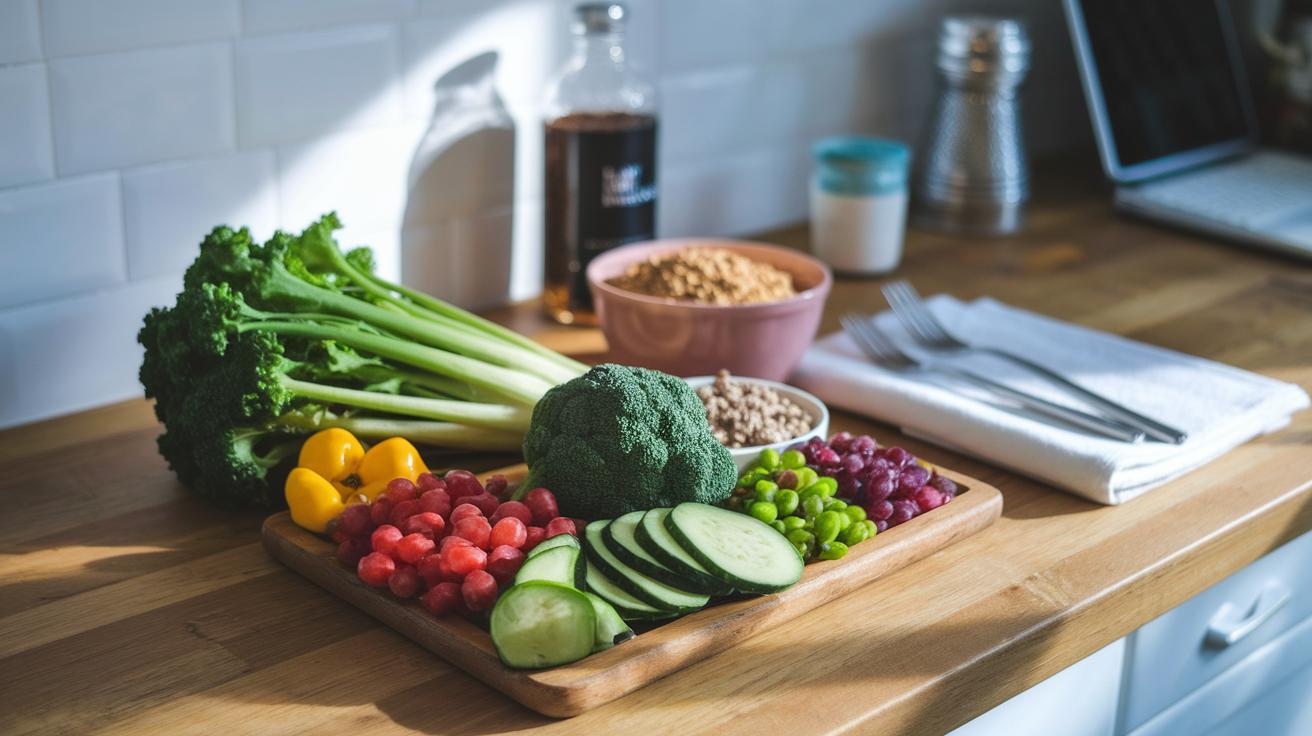
Eating well is more than just following a set menu. To boost taste and save time, try mixing batch cooking with fresh meal assembly. Instead of using the same weekly plan all the time, cook key ingredients once and then finish your meals fresh each day. One client even felt a 20% boost in energy after making this change. A simple plan might be: cook your staples on Sunday and add fresh touches every day to keep meals exciting.
| Planning Technique | Benefits |
|---|---|
| Batch Cooking | Saves time and reduces daily prep |
| Daily Assembly | Keeps ingredients fresh and meals varied |
Recent studies in holistic nutrition suggest that eating in tune with your body’s natural clock can improve digestion and even boost metabolism (how our body turns food into energy). One expert said, "Eating with your natural rhythms not only helps you absorb nutrients better but also keeps your energy up." You might try using an AI nutrition tracker along with a simple food journal to get a full picture of your eating habits. For more tips on long-term dietary planning, check out this balanced diet for longevity.
Good sleep and keeping stress in check can further help your digestion and recovery, turning every meal into a step toward lasting wellness.
Final Words
In the action, our post showed how a holistic nutritionist guides physical, emotional, and mental well-being using balanced meal plans and science-backed methods. We touched on everything from core services like biomarker testing to practical tips for adopting health routines.
Taking a step forward means using clear, real-life advice. With secure tools and credible resources from siluk.net, everyone can make informed choices for a brighter, healthier future. Stay motivated and keep moving toward optimal well-being.
FAQ
What is a holistic nutritionist?
A holistic nutritionist is a wellness expert who focuses on balancing diet, sleep, stress, and overall lifestyle to promote whole-person health.
What does a holistic nutritionist course include, and are there online certifications?
A holistic nutritionist course covers nutritional science, meal planning, and wellness strategies. Many programs offer certification online, making learning flexible and accessible.
How do you become a holistic nutritionist, and how long does it take?
Becoming a holistic nutritionist involves earning a degree, completing specialized courses, and obtaining certification. Most programs require about one to two years for full preparation.
What degree do you need to be a holistic nutritionist?
A bachelor’s degree in nutrition or a related field lays the foundation for becoming a holistic nutritionist, often followed by additional training or certification.
What is the difference between a holistic nutritionist and a dietician?
A holistic nutritionist takes a whole-person approach by considering mental, emotional, and physical factors, while a dietician focuses primarily on medical nutrition therapy and meal planning.
How much does a holistic nutritionist charge, and what is the typical salary?
Fees and salaries vary based on experience and location. Many holistic nutritionists set session rates, and full-time professionals can earn competitive wages reflective of their expertise.
How can I find a holistic nutritionist near me?
You can find a holistic nutritionist near you through online searches, local wellness directories, or referrals from trusted healthcare providers who share your health values.