
Ever find your mind racing with thoughts? Mindfulness may sound simple, but it can truly change your day. Just take a few minutes to focus on your breath, and soon you'll feel a steady calm spreading around you. This little practice can ease anxiety and help sharpen your focus, whether you’re at home or work. All it takes is a quiet spot and a brief moment to yourself. Small, mindful steps can bring more peace into your life.
How to Practice Mindfulness: A Quick-Start Action Plan

Mindfulness is about being here and now without judging what you experience. It helps lower stress and anxiety by letting you focus on each present moment. Start by picking a calm spot where you feel comfortable. You don’t need any special tools, just a quiet place to sit for a few minutes.
Try a five-minute session to begin. Set a timer, close your eyes or keep them gently focused, and pay attention to your breathing. Notice how it feels to breathe in and let it out. When your thoughts wander (and they naturally will), simply bring your mind back to your breath. You might say to yourself, "I am here, breathing in calm and breathing out tension."
Here’s a simple step-by-step plan:
- Think about your goal: Whether you want to sharpen your focus, feel better at work, or improve your relationships, have a clear reason in mind.
- Get your space ready: Find a peaceful spot and set a five-minute timer.
- Focus on your breath: Either listen to your own breathing or use a guided session to help keep you centered.
- Notice your progress: Even small improvements, like fewer distracting thoughts or a lighter mood, count as wins.
Keep this plan close as you start making mindfulness a part of your daily routine.
how to practice mindfulness: Embrace Everyday Calm

Start by figuring out why you want to practice mindfulness, maybe to sharpen your focus, do better at work, or improve your relationships. Instead of always doing just a five-minute session, try mixing in these new ideas with your routine.
Keep a simple journal each day where you note down how your mindfulness practice makes you feel and how it helps you focus. For example, you might write, "Today’s 7-minute session helped me notice fewer distractions." Over time, this journal will show you small steps of progress.
As you get more comfortable, slowly extend your sessions. Write down any changes you notice, like fewer negative thoughts or a stronger ability to concentrate. For instance, you could jot down, "I added 2 extra minutes today and felt a calm shift in my focus."
- Record observations: Note when you feel less stressed or less anxious after using simple stress relief methods.
- Celebrate small shifts: Pay attention when your sessions give you a moment of clear thinking.
- Adjust session times: Let your journal guide how much you gradually lengthen your practice.
How to Practice Mindfulness Techniques: Meditation, Breathing, and More
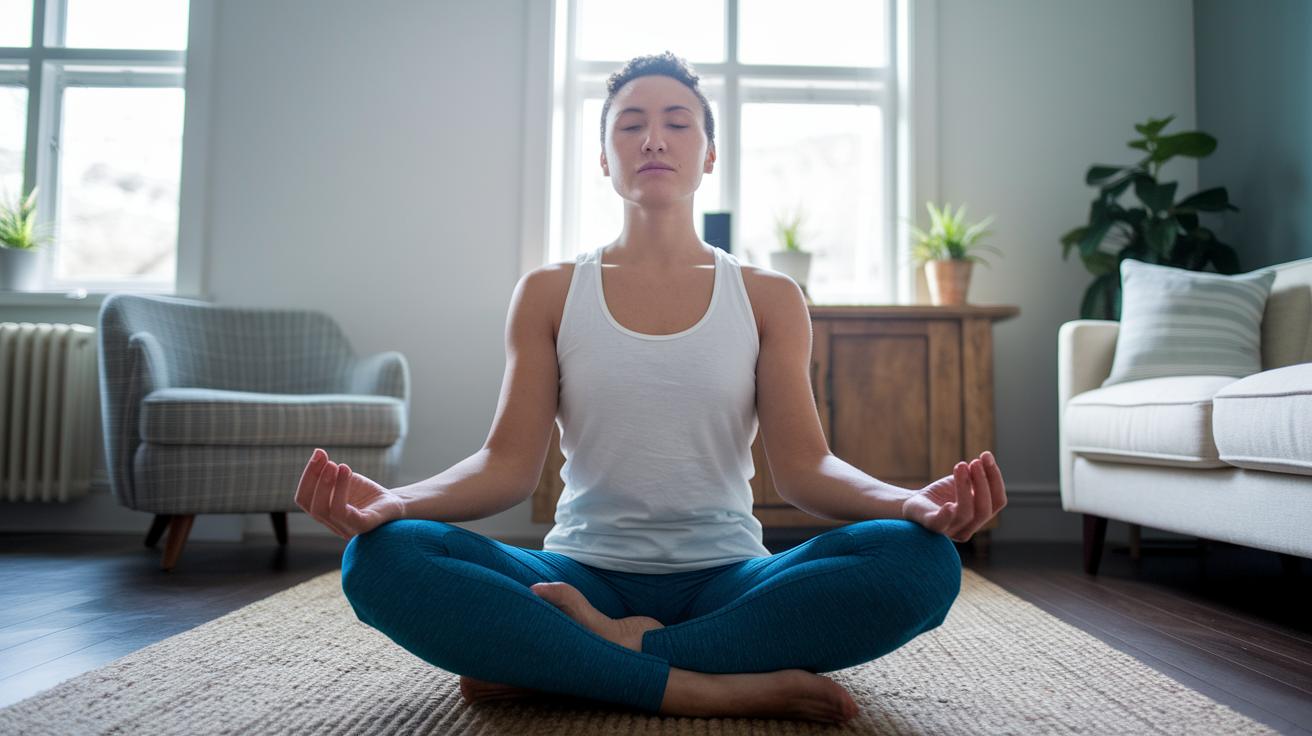
Start with some simple mindfulness meditation. Find a comfy, quiet spot, sit down, and close your eyes or keep them softly focused. As you breathe, notice when your thoughts wander, don’t get upset. Instead, gently bring your attention back to your breathing or a word that feels right, like saying to yourself, "I am here." This easy practice can help ease anxiety and keep you in the moment.
Next, give breathing exercises a try. Breathe in slowly and count to three, then breathe out and count to four. This steady pattern helps calm your body by using the diaphragm, which is the muscle that makes breathing more relaxed. This method can even help when you’re feeling pain, as it eases tension with each breath.
Now, consider a walking meditation. For about 10 to 15 minutes, take a slow walk in a familiar area. Pay attention to little details like a pleasant smell in the air, the feeling of the ground underfoot, or the gentle sounds of nature around you. This mindful walk not only brings you into the present but also clears your mind.
Another great tip is visualization. Close your eyes and imagine a calm scene, like a quiet beach or a peaceful forest. Picture the colors, feel the air, and listen to the soft sounds. Even just 2 to 3 minutes can give your mind a refreshing break.
Try mixing in some mindful movement too. Whether it’s yoga, tai chi, or a bit of stretching, focus on how your body moves and feels. Notice the stretch in each part of your muscles and the rhythm of your movements.
Finally, jot down your thoughts after your session. Write what felt good, what surprised you, or what you learned about yourself. Keeping a journal like this helps you see how you’re growing and feeling more balanced over time.
How to Practice Mindfulness in Daily Life Routines

Everyday tasks can become little moments of calm if you let them. Instead of rushing through brushing your teeth or washing your dishes, slow down and notice how you move. Feel the water and sense each step, the small focus can turn a regular task into a mindful experience.
Take a moment for yourself between activities, too. Even a short one- or two-minute pause to breathe deeply and check in with your thoughts can make a big difference in refreshing your mind.
When you eat, try to really savor every bite. Notice the taste and texture of your food as you chew. This simple act of mindful eating not only makes meals more enjoyable but also brings you into the present moment.
Mix mindfulness into your daily habits. Enjoy your morning coffee with a few mindful minutes, take a calm breathing break before bed, or add a short walk or some gentle stretches during your day. These small changes help create a calmer, happier routine.
- Focus on one task at a time.
- Take short pauses to refresh your mind.
- Enjoy the sensory details of each meal.
For more ideas on living a healthy lifestyle, explore additional tips at https://siluk.net?p=154.
How to Practice Mindfulness: Troubleshooting Common Challenges

Sometimes, practicing mindfulness can get a bit tricky when our thoughts wander, we feel pressed for time, or we just can’t sit still. When you notice your mind drifting, just acknowledge the thought without judging it. Then gently bring your attention back to your breath or a soft sound. You might say, "I lost my focus, but that's fine, I’m here now."
If you’re short on time, even one or two minutes here and there can help. Try doing these mini mindfulness sessions several times during the day. A quick pause for deep breaths during a break can go a long way in building a calm habit.
If sitting still is too hard, add a little movement. Stand up and move slowly or try a brief standing meditation. This way, you can enjoy mindfulness without feeling stuck in one position.
Also, consider setting reminders on your phone to help you pause and breathe throughout your day. Not every session will feel perfect, but the trick is to keep at it. Consistent practice makes all the difference.
How to Practice Mindfulness: Tracking Your Progress and Benefits

Begin by jotting down details of each mindfulness session. You can use a simple notebook or your smartphone app to record the duration and how often you meditate. This helps you notice gradual improvements in calming your thoughts over time.
Before you start, rate your stress or anxiety on a scale of 1 to 10. When you're done, rate yourself again. Even a small drop in your score is a sign that your mind is feeling lighter and you’re handling challenges a bit better.
Research from the American Psychological Association shows that regular mindfulness practice can boost relationships, work performance, memory, immune function, and even flexible thinking. Over the weeks, you might see patterns like fewer negative thoughts or your mind wandering less. This method not only hones your focus, it also serves as a friendly reminder of the benefits of mindfulness.
Keep a simple list of what you observe:
| Observation | Details |
|---|---|
| Session Frequency & Duration | How often and how long you practice |
| Stress/Anxiety Ratings | Your scores before and after sessions |
| Changes in Negative Thoughts | Notice if negative thoughts decrease over time |
Celebrating these small wins can really motivate you to keep going and remind you how valuable your mindfulness practice is.
How to Practice Mindfulness: Recommended Resources and Next Steps

If you're looking to bring more calm to your day, start with a course like an 8-week Mindfulness-Based Stress Reduction program by Jon Kabat-Zinn. This program walks you through simple, practical exercises that help you feel more peaceful and steady. You could even add a 12-minute guided meditation into your routine, just a short session can give you a fresh dose of focus.
Another great pick is the book "Wherever You Go, There You Are." This book explains how each moment can be used as a chance to be fully present. You might also benefit from affirmation cards or listening to a selection of mindful audio clips that gently remind you to pause during your busy day.
Take it one step at a time. Use one tool until you’re comfortable before moving on to the next. Each resource is designed to help you explore calm and awareness at your own pace, making it easier for you to find a space of quiet and strength every day.
Final Words
In the action, this guide has introduced a clear plan for how to practice mindfulness using basic meditation, simple breathing exercises, and mindful daily routines. It covered setting small goals, handling common distractions, and even tracking progress. Simple, step-by-step tips invite you to take a few moments each day to stay present and reduce stress. With this plan, you can build calm habits and enjoy more balanced, happier days.
FAQ
How to practice mindfulness for anxiety?
Practicing mindfulness for anxiety means focusing on your breath and sensations to calm your mind. Techniques like breathing exercises and short meditation sessions help ease anxious thoughts, creating a soothing, present-moment focus.
How to practice mindfulness in daily life?
Practicing mindfulness in daily life means turning everyday tasks into moments of focused awareness. By single-tasking and taking micro-pauses, like mindful eating or brief breathing breaks, you can easily build calm habits.
What is mindfulness?
Mindfulness means paying non-judgmental attention to the present moment. It involves noticing thoughts, feelings, and sensations with curiosity, which helps reduce stress and promotes a clear, centered mind.
What are the 5 basics of mindfulness practice?
The 5 basics of mindfulness practice typically include: taking a comfortable posture, focusing on the breath, noticing wandering thoughts, returning attention to the present, and practicing without judgment.
How to practice mindfulness on Reddit?
Practicing mindfulness as recommended on Reddit means using common techniques like short guided meditations, breathing exercises, and setting small daily goals that fit easily into your schedule for stress relief.
How to practice mindfulness in Islam?
Practicing mindfulness in Islam means integrating reflective prayer, meditation, and quiet contemplation into your routine. It involves being aware of the moment during supplication and allowing inner peace to guide you.
How to practice mindfulness with ADHD?
Practicing mindfulness with ADHD means using shorter, varied sessions that match your attention span. Techniques like guided audio meditations and active mindful movement can help keep your focus while easing frustration.
How to practice mindfulness meditation?
Practicing mindfulness meditation means sitting quietly, focusing on your breath, and gently redirecting your wandering thoughts. This simple practice builds awareness and helps calm your mind over time.
What are 5 ways I can practice mindfulness?
Five ways to practice mindfulness include: mindful breathing, body scanning meditation, mindful walking, focused activities like eating slowly, and journaling your thoughts to boost self-awareness.
How do I start practicing mindfulness?
Starting mindfulness means setting aside five minutes in a quiet spot, sitting comfortably, and simply focusing on your breath. Slowly building the habit helps create a foundation for lasting calm and focus.
How do I train myself to be mindful?
Training yourself to be mindful means establishing regular practice, such as short daily meditation, gentle self-reminders to pause, and gradually increasing your focus time to tame distraction.
What are the 5 R’s of mindfulness?
The 5 R’s of mindfulness usually include Recognize your feelings, Reflect on their origins, Release any judgment, Return your focus to the present moment, and Reconnect with your breath or chosen anchor.