
Ever wonder if planning your meals could be the secret to feeling better? Macro meal planners help you balance proteins, carbs, and fats, which are like building blocks that give you energy and keep your mood steady. Think of it as creating your favorite sandwich, each part adds its own flavor and strength to your day. In this guide, we'll break down how to plan your meals in easy steps to help you live healthier and feel more in control of your nutrition. Get ready to transform everyday food into a boost for your body and mind.
Macro Meal Planner Blueprint: Calculate and Balance Protein, Carbs, and Fats
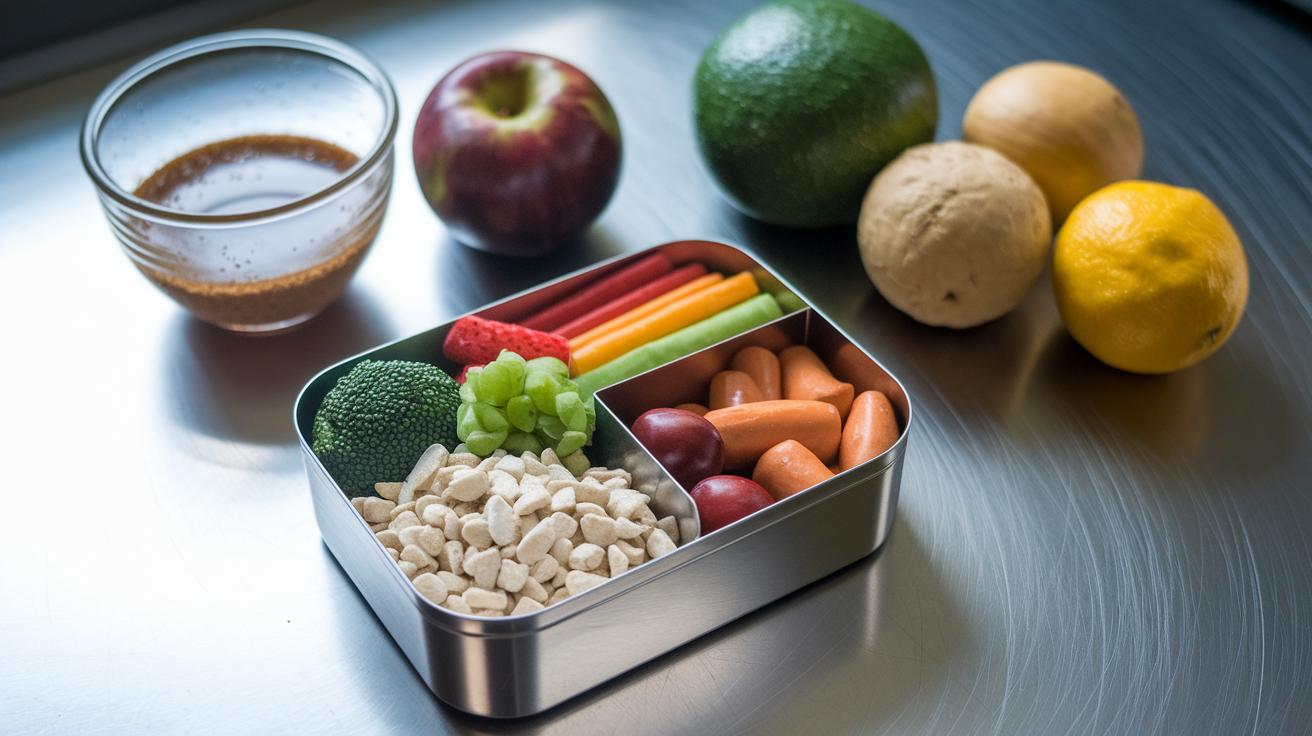
Macros are proteins, carbohydrates, and fats that keep our bodies running smoothly. They give us energy, help manage our weight, and even keep our moods steady. Think of it like building a favorite sandwich, each part adds its own burst of flavor and nourishment.
It's simple to convert grams into calories. Protein and carbs offer 4 calories for every gram, while fats provide 9 calories per gram. Imagine trading coins for dollars, each gram adds a fixed amount to your daily calorie count, so you know exactly what you're eating.
To figure out your own macro needs, start with basics like your weight, activity level, age, and whether you want to lose weight or build muscle. A handy tip is to target about 0.8 to 1 gram of protein per pound of body weight to keep your muscles in shape. Next, work out your daily calorie goal and spread those calories among proteins, carbs, and fats like filling different sections of a lunchbox. This plan is flexible enough to let you enjoy a treat now and then while still reaching your daily goals.
Macro Meal Planner Templates and Tools for Efficient Scheduling

Planning your meals in advance helps you cut down on daily decision-making and saves you precious time for other wellness activities. When you set up your macro targets (macros are the proteins, fats, and carbs your body needs for energy) using a ready-made template, your grocery shopping becomes simpler and the kitchen runs smoother. A free macro blueprint gives you a clear weekly map for meals and snacks, while an Excel nutrient tracking sheet handles the number crunching with auto-calculations and handy charts. Digital nutrition organizers take it a step further by offering features like barcode scanning, a recipe library, and progress reports, all right on your phone or computer.
| Tool Name | Format | Cost | Key Features |
|---|---|---|---|
| Weekly Macro Blueprint | PDF download | Free | Customizable meal & snack slots |
| Excel Macro Tracker | Spreadsheet | Free | Auto-calculations & summaries |
| App-Driven Organizer | Mobile/Web | Freemium | Barcode scan, recipe library |
Choosing the right tool makes it easier to stick to a balanced macro plan that fits your lifestyle. With less time spent planning, you can enjoy more healthy, home-cooked meals and adjust your plan as your needs change.
Recipe Ideas and Meal Prep Strategies in a Macro Meal Planner

A macro meal planner turns cooking into a creative way to hit your nutrition targets. Mixing simple recipes with smart meal prep helps you enjoy balanced meals that include proteins, carbs, and fats. This guide offers quick recipes that taste great while supporting your daily macro goals. Whether it’s a hearty breakfast or a filling dinner, these ideas make meal prep fun and easy.
Imagine starting your day with a Greek yogurt parfait loaded with mixed berries and granola, a refreshing, protein-packed boost. For lunch, try a grilled chicken salad mixed with quinoa, cherry tomatoes, and a light vinaigrette, perfect for a midday pick-me-up. Dinner could be baked salmon served with steamed broccoli and brown rice, all cooked at 375°F for 15–20 minutes to lock in nutrients and flavor. If you prefer plant-based options, a tofu stir-fry tossed with colorful veggies and a splash of soy sauce is a delightful choice. For something cozy, sip on a hearty lentil soup seasoned with herbs, paired with a slice of whole-grain bread. And for a balanced snack, mix apple slices with almond butter, add cottage cheese with pineapple, and include hard-boiled eggs with carrot sticks.
When it comes to meal prepping, planning ahead is the secret to success. Spend a day cooking larger amounts of proteins, grains, and veggies so you always have healthy options ready. Divide these into airtight containers, making it super easy to grab and go during your busy week. This not only saves you time but also takes the daily stress out of cooking. Plus, keeping a variety of these recipes in your back pocket means your meals stay interesting while you consistently meet your macro targets.
| Meal Type | Suggestion |
|---|---|
| Breakfast | Greek yogurt parfait with mixed berries and granola |
| Lunch | Grilled chicken salad with quinoa, cherry tomatoes, and vinaigrette |
| Dinner | Baked salmon with steamed broccoli and brown rice |
| Plant-Based | Tofu stir-fry with colorful vegetables and soy sauce |
| Soup | Hearty lentil soup with herbs and whole-grain bread |
| Snack | Apple slices with almond butter, cottage cheese with pineapple; hard-boiled eggs with carrot sticks |
The Digital Nutrition Organizer: Top Apps and Tracking Solutions

We removed this section because it repeated information found in the Macro Meal Planner Templates and Tools for Efficient Scheduling section. This change helps keep things clear and focused, so you only see the most useful, unique details.
Portion Control and Macro Distribution Strategies for Your Planner

When planning your protein servings, imagine using your hand as a natural measuring tool. One pound of chicken breast (about two breasts) gives you roughly 100 grams of protein and around 500 calories. A palm-sized portion, or about 20 to 30 grams of protein, is a simple and effective way to fuel your muscles and keep your energy balanced throughout the day.
For carbohydrates, picture your closed fist as a guide. A fist-sized portion is about 30 to 50 grams of carbs, which helps power your daily activities. This visual cue makes it easier to avoid too many starchy or sugary foods, supporting steady blood sugar levels with each meal.
Fats, though used sparingly, offer a concentrated burst of energy. A thumb-sized portion, around 10 to 15 grams, is a handy measure when adding healthy fats like olive oil or avocado. Using your thumb as a reference ensures your meals stay balanced without overloading on fat.
Weekly Nutrient Eating Strategy for a 7-Day Macro Meal Planner
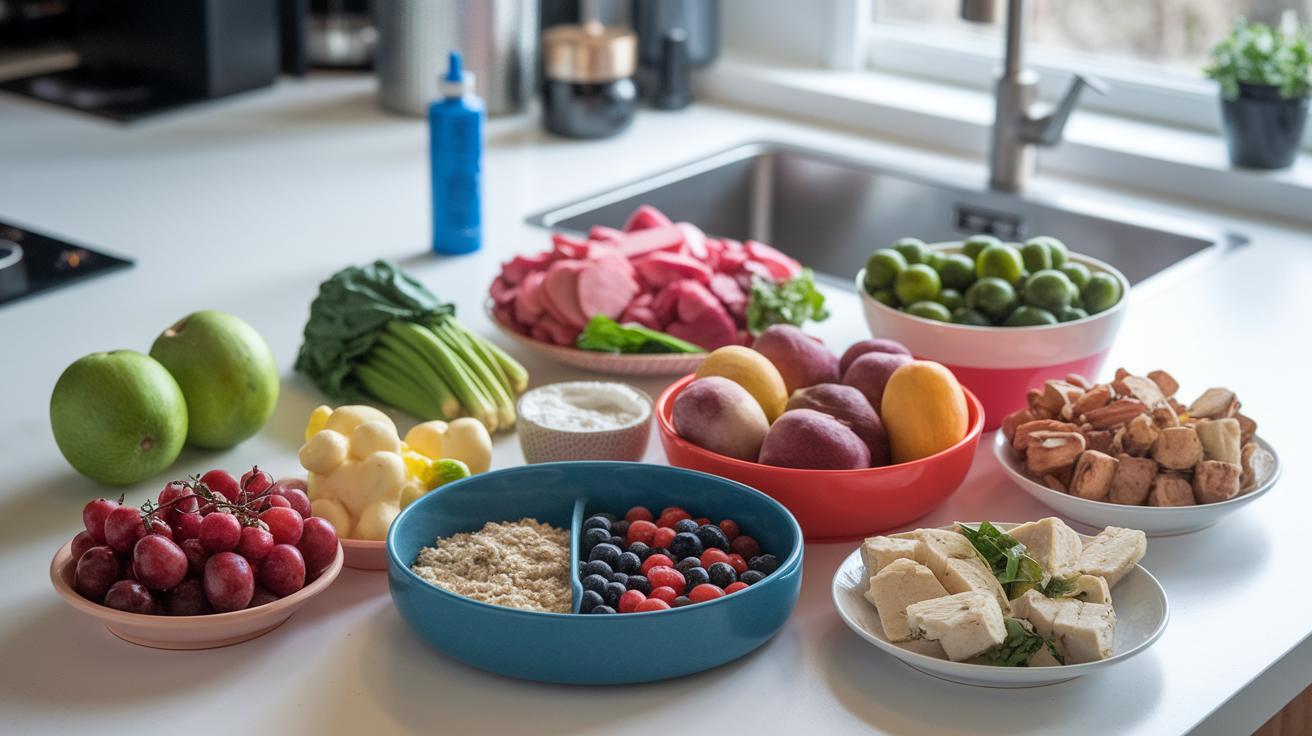
A weekly nutrient eating strategy breaks your day into simple parts so you can hit your calorie and nutrient goals without feeling overwhelmed. Each meal has its own role, like a protein-packed breakfast to kickstart your day or a snack that keeps your energy steady. For instance, you might begin with a bowl of hearty whole grains and fresh fruit, imagine the satisfying crunch of oats mixed with the sweet pop of berries energizing your morning.
Try this for a day: start with lean dairy and fruit at breakfast, enjoy a mid-morning snack of fruit and nuts, have a salad rich in nutrients with lean protein at lunch, and wrap up with dinner that combines seasonal veggies with a lean protein like meat, a plant protein, or seafood. Following this routine throughout the week helps you mix up your food choices while keeping your nutritional goals clear and on track.
Adjusting Your Macro Meal Planner: Monitoring, Tweaks, and Professional Guidance
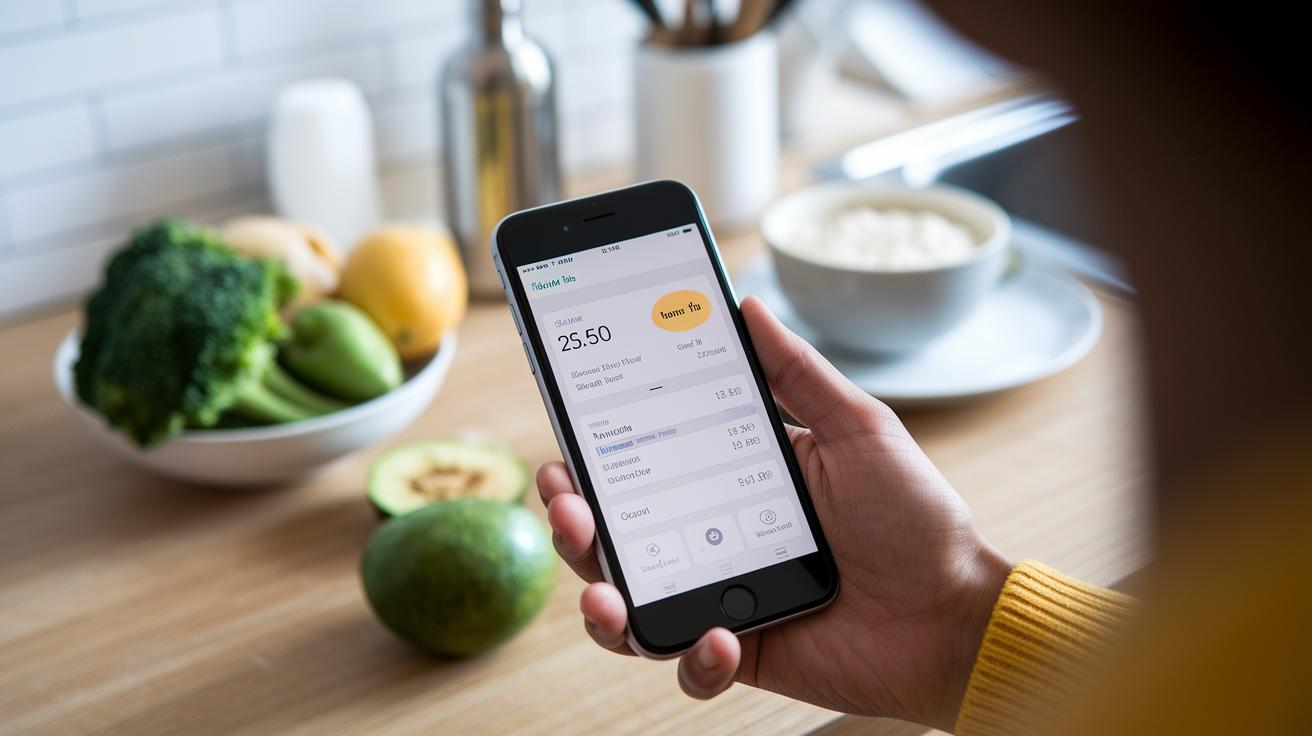
It helps to fine-tune your meal plan regularly so you always meet your body’s changing needs. Using a personalized nutrient planner lets you see weekly shifts in weight, energy, and performance. With apps that offer daily updates and recovery cues, it’s simple to notice when a small change could help, maybe switching focus from cutting weight to gaining muscle. This adaptable planner not only tracks your progress but also gives friendly hints for smarter food choices. Little tweaks along the way keep your plan flexible and easy to follow.
Tracking and Monitoring Macronutrient Intake
Keep an eye on how you feel every day, your energy, recovery after workouts, and even your sleep can be big clues. If you notice a dip in energy or if you’re taking longer to bounce back after a session, it might mean your balance of proteins, carbs, and fats needs a little adjustment. Checking in on these signs each week can guide you on tweaking your macronutrient intake so every meal works toward your well-being.
When to Consult a Professional
If your energy levels keep flagging, you’re facing ongoing health concerns, or it just seems really tough to hit your macro targets despite making adjustments, consider talking to a dietitian or nutrition coach. And if you’re involved in competitive sports or have a rigorous training routine, professional advice can really help tailor your nutrition to match your performance needs.
Final Words
In the action, we detailed how to balance protein, carbs, and fats with conversion formulas, easy recipes, and meal prep strategies.
We presented practical tools including free templates, app-based organizers, and portion control cues that simplify your planning.
We also covered how to fine-tune your plan with monitoring and professional guidance. Using our macro meal planner can help you achieve daily balance and keep health goals within reach. Stay positive and take confident steps forward every day.
FAQ
Macro meals
Macro meals refer to dishes designed with balanced portions of protein, carbohydrates, and fats to meet your daily nutrient targets, supporting energy and overall well-being.
Macro meal planner free
A free macro meal planner offers tools or templates to plan your meals based on your macronutrient needs without any cost, making healthy tracking accessible.
Macro meal planner template
A macro meal planner template is a pre-formatted layout where you can record food choices and macros, helping you monitor protein, carb, and fat intake efficiently.
Macro meal planner app
A macro meal planner app assists in tracking, calculating, and balancing daily macronutrient goals by using features like barcode scanning and recipe libraries for convenient planning.
Free macro meal Planner template Excel
A free macro meal planner template in Excel automatically calculates nutrient totals, letting you track calories and macros with built-in formulas for a hassle-free experience.
Best macro meal planner app
The best macro meal planner app provides a user-friendly interface, detailed progress reports, and features such as barcode scanning and recipe libraries to seamlessly support your nutrition goals.
Macro meal planner for weight loss
A macro meal planner for weight loss is designed to create a tailored calorie deficit, balancing nutrients to promote steady fat loss while maintaining muscle and energy levels.
Free macro meal plan for weight loss
A free macro meal plan for weight loss supplies ready-to-use meal options and portion guidelines that help lower calorie intake while keeping nutrient balance aligned with weight reduction goals.
What is the 40-40-20 rule for macros?
The 40-40-20 rule for macros means that meals are split so that 40% of calories come from protein, 40% from carbohydrates, and 20% from fats, promoting balanced nutrition.
Is a 40/30/30 macro split good for weight loss?
A 40/30/30 macro split, where 40% is protein, 30% is carbohydrates, and 30% is fats, can help maintain muscle and boost satiety, often supporting effective weight loss.
What is the best macro plan?
The best macro plan is one that adjusts calorie and nutrient targets based on your unique factors such as weight, activity level, and goals, ensuring balanced energy and health.
What are the best macros for a meal?
The best macros for a meal typically include balanced portions of protein, carbohydrates, and fats, which can vary based on individual needs but generally support sustained energy and recovery.