
Your tongue color is a quick barometer of gut health. A pale or white-coated tongue signals dysbiosis — an imbalance in your oral and gut microbiome — and can subtly affect far more than breath or taste. Even a slight white film is correlated with microbial overgrowth and downstream effects: altered androgen and estrogen receptor signaling; reduced collagen synthesis and skin vibrancy; impaired T3 levels and uptake; poorer nutrient absorption; lower workout recovery; higher inflammation; disrupted testosterone production; duller cognition and mPFC control over limbic impulses. Here are practical tools and dietary supports I use to restore a pink, healthy tongue and a balanced microbiome.
Why Your Tongue Color Matters
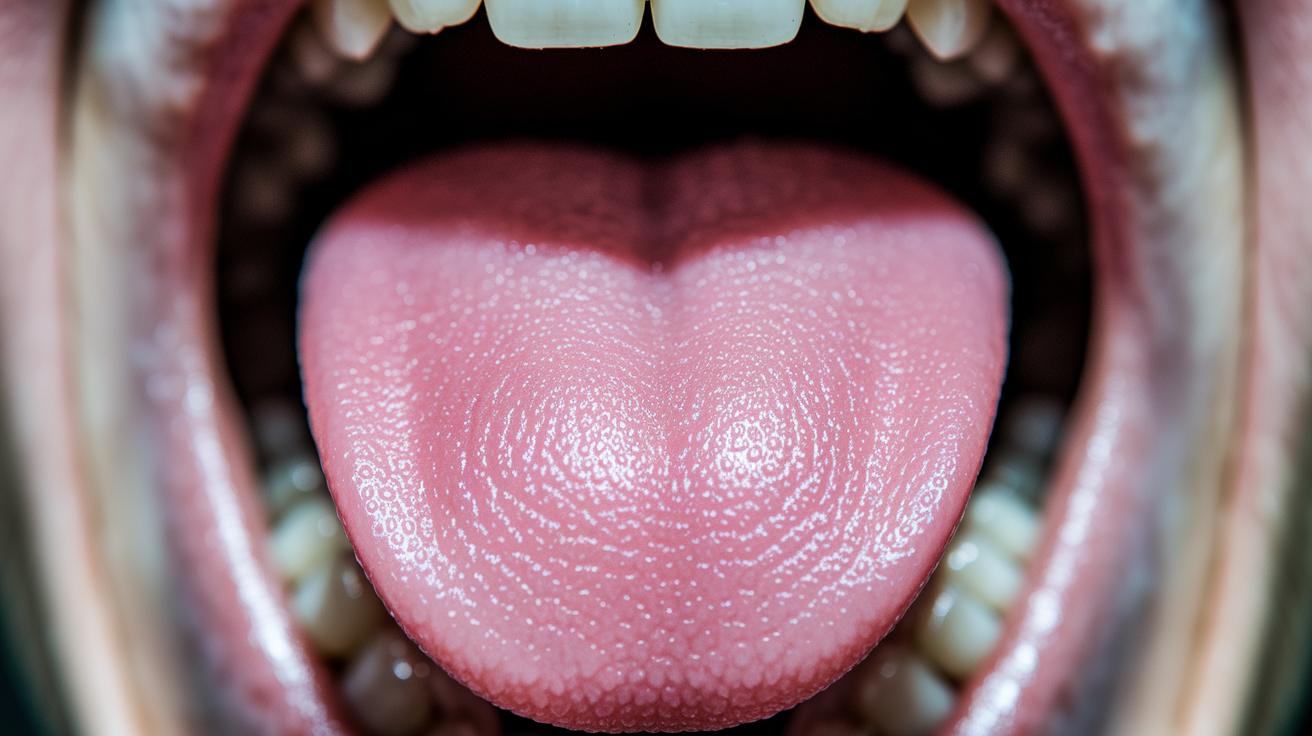
Think of your tongue as a living indicator of oral and gut microbial balance. A pink, moist tongue usually indicates a healthy microbiome; even a thin white coating can be an early sign of dysbiosis , a shift toward bacterial or yeast overgrowth. That change rarely stays confined to the mouth. Microbial imbalance can influence hormone receptor signaling, collagen production, thyroid hormone uptake, nutrient absorption, inflammation, workout recovery and even mental sharpness. If you want to optimize energy, motivation, skin vibrance, and metabolic health, start by restoring a clean, pink tongue and addressing the microbes that live there.
What a White Coating Means Biologically
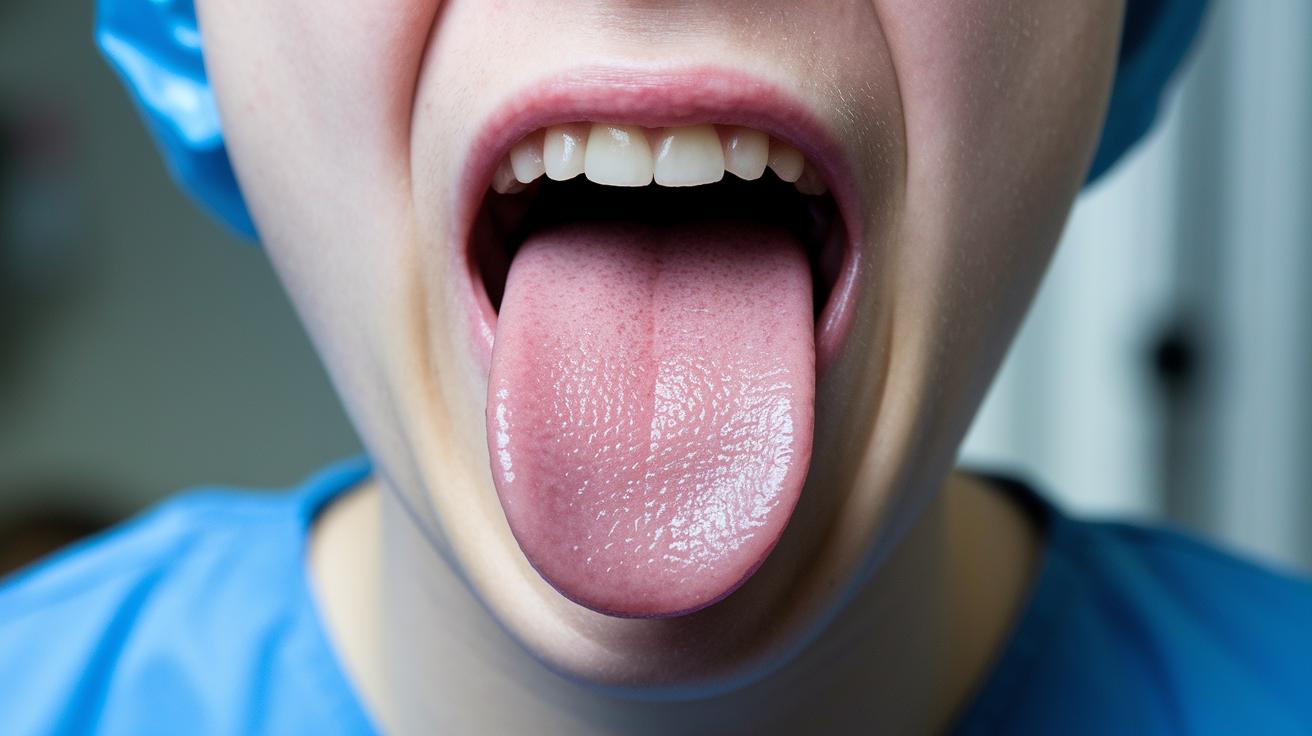
A white or furry coating on the tongue often reflects oral and gut microbial shifts that create a microenvironment favoring pathogenic bacteria or yeast. These changes can cascade systemically: altered androgen and estrogen receptor signaling changes tissue responsiveness; lower collagen synthesis undermines skin tone and wound repair; impaired T3 uptake slows metabolism and mental clarity; nutrient malabsorption reduces energy, bone growth and recovery after workouts; chronic low-level inflammation suppresses motivation and endocrine balance, including testosterone production. Even dental appearance , tooth whiteness , can be affected by microbial acids and biofilm. Think of tongue coating as an early signal of broader physiologic imbalance.
Oral Hygiene Habits That Help
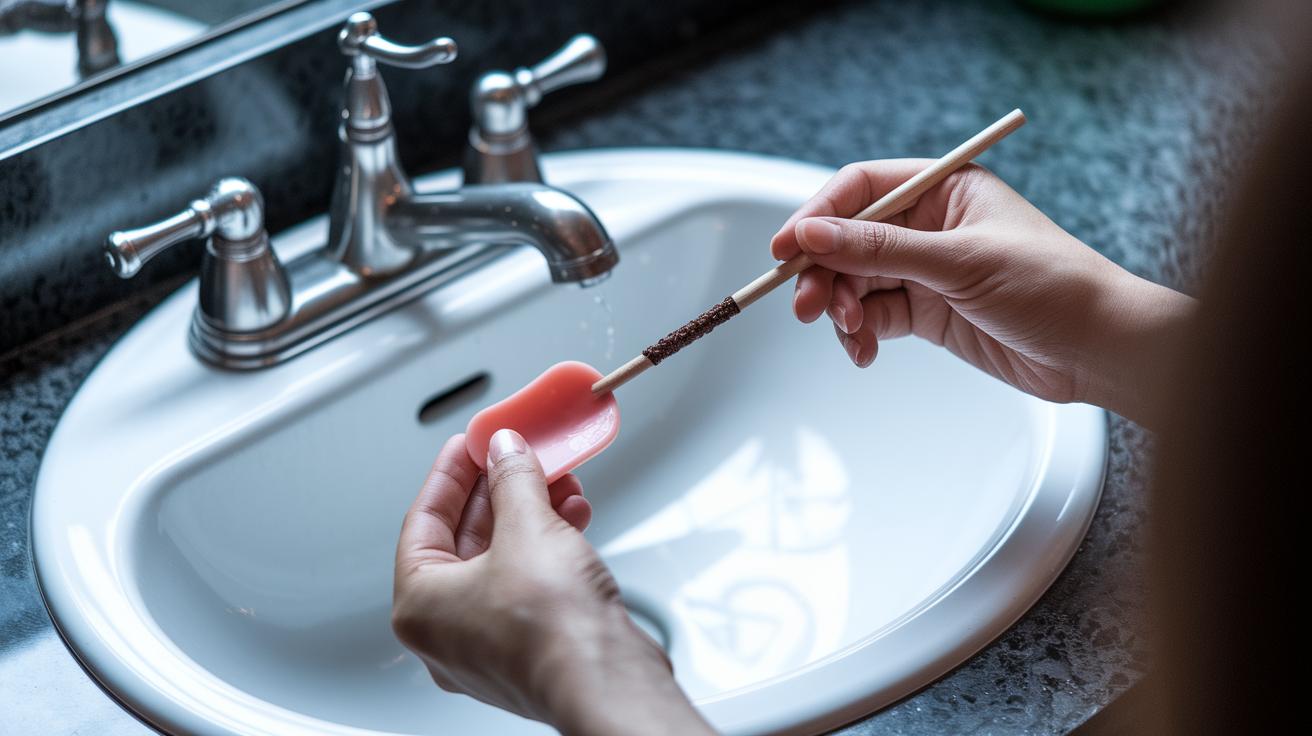
Tongue scraping and targeted oral care are simple first steps. Use a dedicated scraper twice daily to remove biofilm, followed by Miswak or a soft brush for gentle mechanical cleaning; Miswak contains natural antimicrobials and supports saliva flow. CamphoSal mouthwash can soothe mucosa and reduce surface microbes, while occasional activated charcoal pulls toxins but should be used sparingly and not near medication times. Prioritize gentle technique to avoid irritation. Consistency matters more than aggressive abrasions , daily scraping, proper brushing, and strategic rinses reduce coating and create a mouth environment less hospitable to overgrowth, supporting downstream gut balance.
Supplements, Foods, and Botanicals I Use

From botanicals to foods, several supports can shift oral and gut microbes. I chew propolis for antimicrobial, immune-modulating effects; take 10–15 mL daily of black seed (nigella) oil as a systemic support; use Swedish bitters before meals to stimulate digestion and bile; and include apple cider vinegar for digestive acidity. Dietary additions like Ray Peat-style carrot salad, white button mushrooms, whole milk, and colostrum offer substrates for recovery, while oysters supply zinc and nutrients supportive of hormones. Royal jelly can be a tonic for energy. Activated charcoal and occasional antimicrobial tools are useful short-term , always rotate approaches and watch for sensitivities.
A Practical Daily Protocol
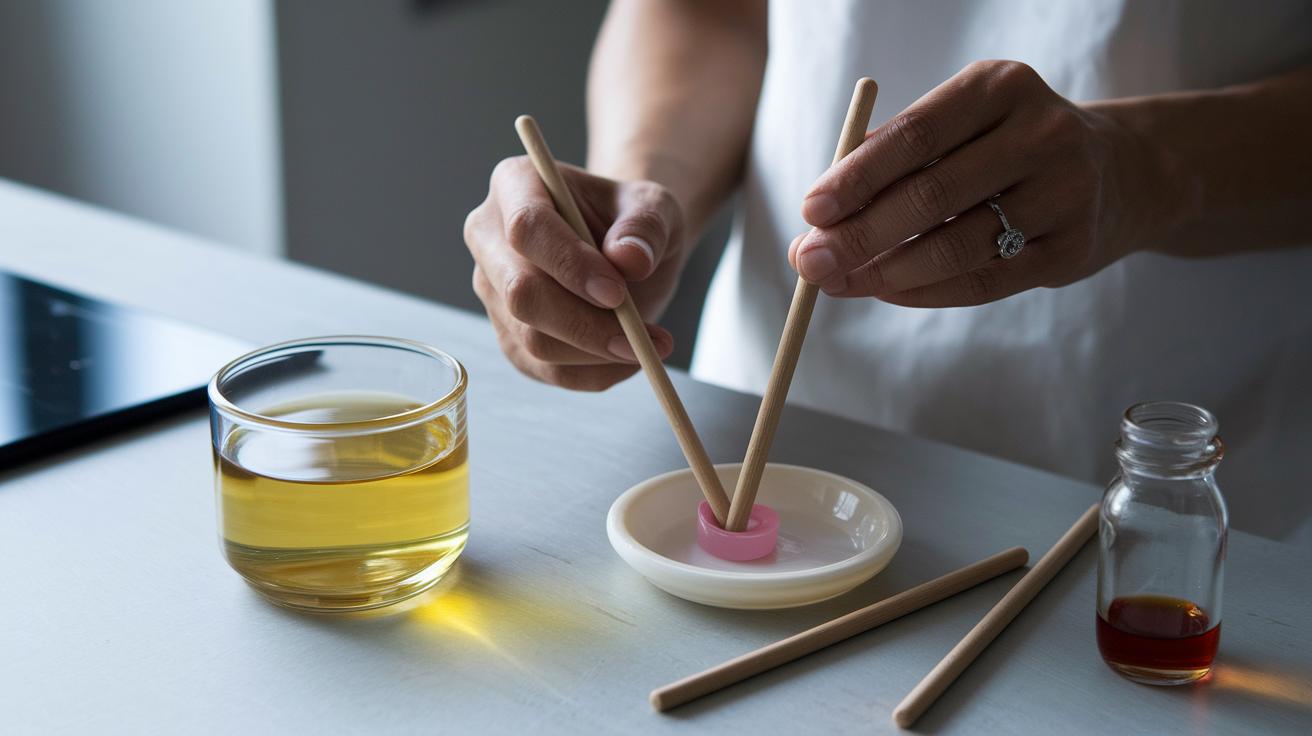
Try a simple daily protocol to reestablish balance: morning , tongue scrape, rinse with CamphoSal or warm salt water, chew propolis and use Miswak or brush; take 10–15 mL black seed oil or a small dose with breakfast; add a splash of apple cider vinegar before meals if tolerated; use Swedish bitters just prior to eating to support digestion. Include a Ray Peat-style carrot salad or cooked mushrooms with meals, and prioritize nutrient-dense items like milk or colostrum. Use activated charcoal only occasionally and away from medications and supplements. Consistency across weeks is what shifts microbial communities.
When to Test and Seek Professional Care
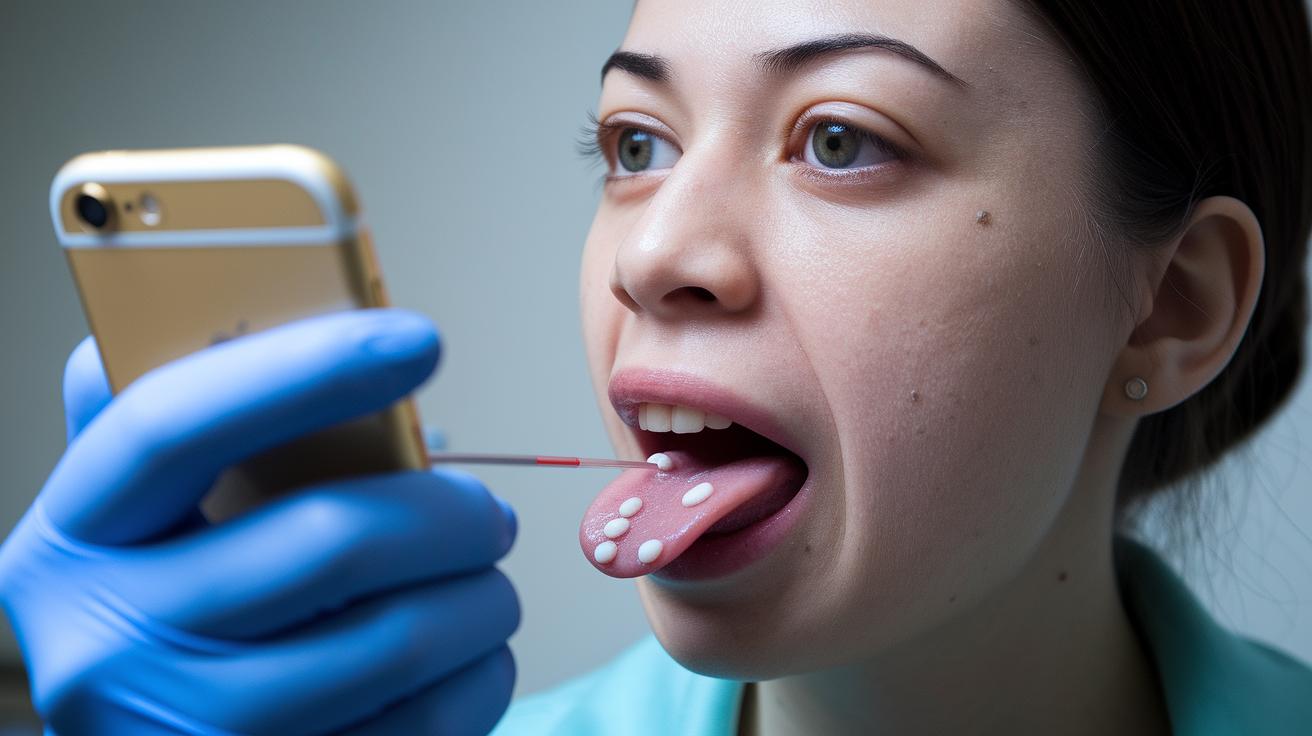
Not all tongue coatings are benign. If you have persistent thick white patches, pain, fever, weight loss, severe fatigue, or poor response to conservative measures, see a clinician. Tests to consider include oral swabs for candida, stool microbiome analysis, SIBO breath testing, thyroid function with free T3 and TSH, and standard hormone panels if energy, recovery, or libido are affected. Dental evaluation rules out local causes. Some receptor-level changes are inferred from symptoms and lab panels rather than directly tested. Work with a practitioner experienced in gut and endocrine health to interpret results and plan targeted interventions.
Safety Notes & Common Myths
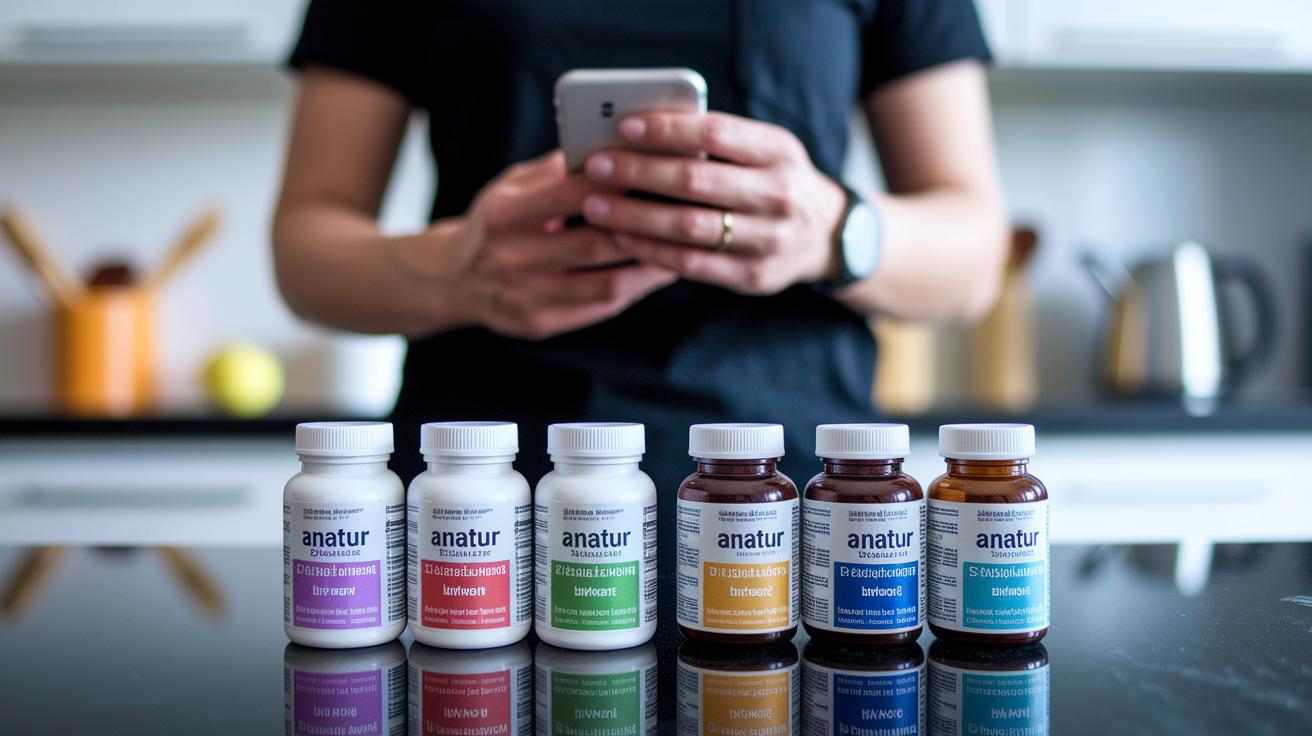
A few safety notes: a white tongue isn’t always microbial overgrowth , oral thrush, leukoplakia, smoking, or medications can cause coating. Activated charcoal can interfere with prescription drugs and nutrients, so avoid concurrent use with Rx medications. Be cautious with raw milk or unverified colostrum (pathogens) and with oysters if you have shellfish allergies or live in polluted waters. Black seed oil can interact with blood thinners. Royal jelly can provoke allergic reactions in susceptible people. If in doubt, prioritize testing, start one change at a time, and consult a healthcare provider before beginning herbal or concentrated supplement regimens.
Key Takeaways

Key takeaways: your tongue is a quick, visible signal of oral and gut microbial balance; a persistent white coating often points to dysbiosis with broad effects on hormones, metabolism, skin, cognition, and recovery. Start with consistent oral hygiene , tongue scraping, Miswak or brushing, gentle rinses , and add targeted supports like propolis, black seed oil (10–15 mL), Swedish bitters, ACV, nutrient-dense foods, and occasional activated charcoal. Track symptoms and labs, rotate modalities, and avoid aggressive or prolonged use of any single antimicrobial. When symptoms persist or worsen, seek medical evaluation to rule out infection or systemic causes.