
Have you ever thought about planning your meals ahead? When you plan, every bite fuels you for the day. Easy recipes can turn hectic mornings into calm, healthy starts. A bit of planning helps manage portions and keeps your energy up. In this article, we'll share simple ways to prep meals that keep you nourished and on track toward your weight loss goals. Let's create a routine that fits your life and boosts your energy every day.
Kickstart Weight Loss with Effective Meal Prep

Planning your meals ahead means every bite moves you toward your weight loss goals. When you sort out your ingredients and recipes in advance, you dodge those last-minute choices that might throw you off course. By picking foods rich in nutrients and sticking with simple recipes, you're setting yourself up for a win. This kind of plan not only saves time during your hectic mornings but also helps you keep your portions and meals balanced. For more ideas on putting together a balanced diet for weight loss, check out Balanced Diet for Weight Loss (https://siluk.net?p=110).
When you plan ahead, your messy eating habits transform into a steady, healthy routine. Quick recipes like overnight oats and egg muffins make it easy to stick to a nutritious plan, even on busy days. Good meal prep gives you control over your portions, cuts down food waste, and lets you try new flavors every week. Keeping to this routine can boost your energy levels and keep your weight loss journey on track.
- Pick whole foods that pack a nutritional punch.
- Batch-cook basics like grains, proteins, and veggies.
- Divide your meals into handy grab-and-go containers.
- Label them with dates and reheating tips.
- Switch up recipes each week to keep things interesting.
Sticking with your meal prep routine lets simple recipes truly shine. For example, you can whip up overnight oats by mixing ½ cup rolled oats, ½ cup Greek yogurt, ½ cup almond milk, 1 tablespoon chia seeds, and ¼ cup mixed berries, a quick, filling start to your day. Or try egg muffins: just preheat your oven to 350°F, mix eggs with your favorite vegetables, and bake. These easy choices blend convenience with nutrition, showing that a small tweak in your routine can make a big difference.
Crafting a Weekly Weight Loss Meal Plan: Boost Your Energy

Start by picking recipes that cover every meal, breakfast, vibrant salads and bowls, hearty sandwiches or wraps, warm soups and stews, and dishes perfect for the freezer. Mixing these choices keeps your menu fresh and gives your body the good nutrients it needs. For example, look for recipes with fresh vegetables, lean proteins, and whole grains that power you through the day and help burn calories.
Next, decide which dishes you'll have each day based on your routine. Maybe Monday morning calls for a bowl of overnight oats, while Tuesday might bring a Mediterranean quinoa salad with a cup of cooked quinoa, a can of chickpeas, diced cucumber, cherry tomatoes, and olives, all prepped ahead for a few days. Later in the week, try fat-burning dinners like grilled chicken bowls. Planning your meals by day makes sure you always get a tasty, balanced dish that lifts your energy even on busy days.
Using portable containers for on-the-go lunches can really simplify your routine. And by syncing your dinners with your activity levels, you give your weight loss goals an extra boost while keeping energy high. This clear plan makes healthy eating simple, fun, and effective at fueling your busy week.
Portion-Controlled Recipes and Macronutrient Breakdown
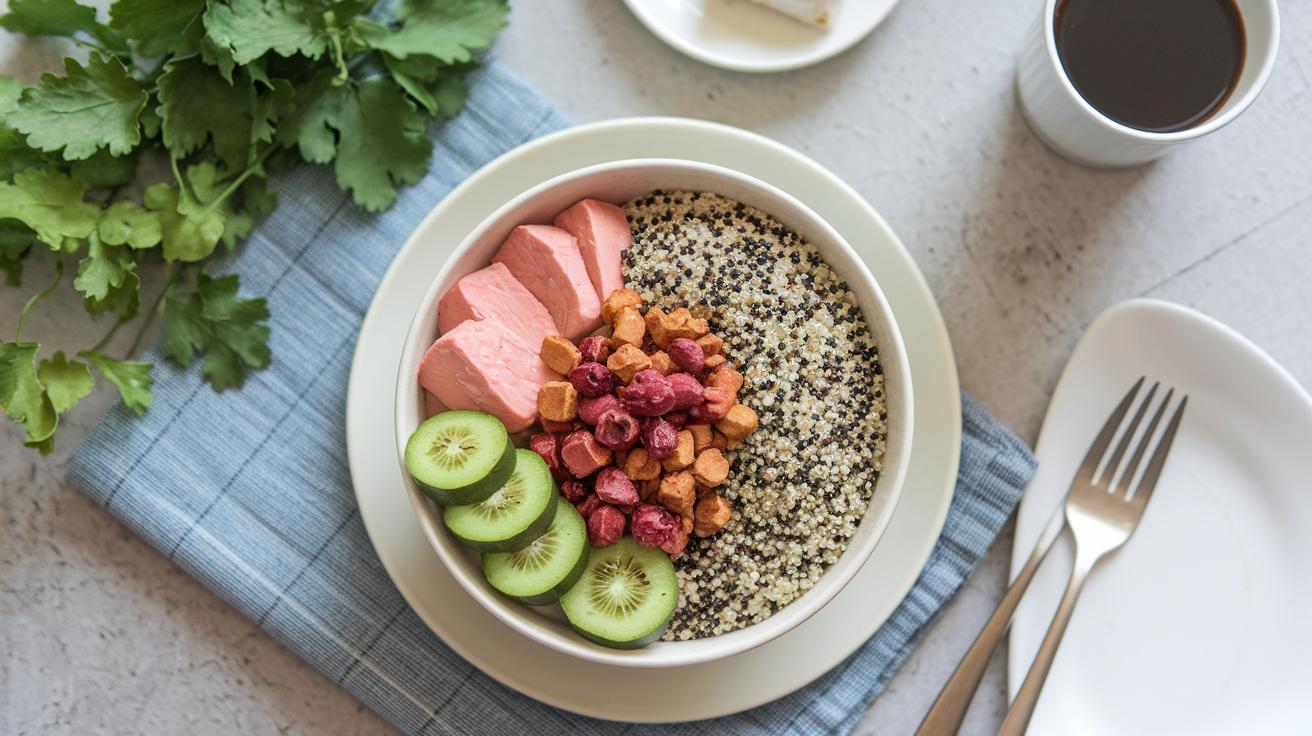
When you’re trying to lose weight, understanding macros is key. It’s all about giving your body the right balance of proteins (the building blocks for muscles), fats, and carbs (your body’s quick energy). Simple recipes with set portions keep you feeling full while helping your body burn fat.
Portion-controlled meals turn everyday ingredients into delicious, nutrient-packed dishes. Ever tried making overnight oats or egg muffins? They show you exactly how to balance each bite so your energy stays steady all day.
| Recipe | Key Ingredients | Prep Time |
|---|---|---|
| Overnight Oats | ½ cup oats, yogurt, almond milk, chia seeds, berries | 5 min assembly |
| Egg Muffins | 6 eggs, spinach, bell peppers | 20 min bake |
| Mediterranean Quinoa Bowl | 1 cup quinoa, chickpeas, cucumber, tomatoes, olives | 15 min cook |
| Lentil Vegetable Soup | Lentils, onion, carrots, celery, olive oil | 30 min simmer |
| Black Bean & Sweet Potato Tacos | Black beans, roasted sweet potato, spices, tortillas | 35 min roast |
Tweaking ingredient amounts can help match your calorie and protein goals. For example, you can add an extra egg to your muffin mix for more protein or use a little less olive oil in your soup if you’re watching fats. Sometimes, swapping out a bit of quinoa or another ingredient can change the balance to fit what you need. Need extra energy? A small boost of carbs might do the trick. Want to build lean muscle? Increase those protein portions.
Experimenting with these small changes lets you create meals that are both tasty and tailored just for you. If you’re curious about comparing different nutrient profiles, check out Nutrient density vs energy density (https://factcheckx.com?p=1516).
Budget-Friendly and Time-Saving Meal Prep Strategies
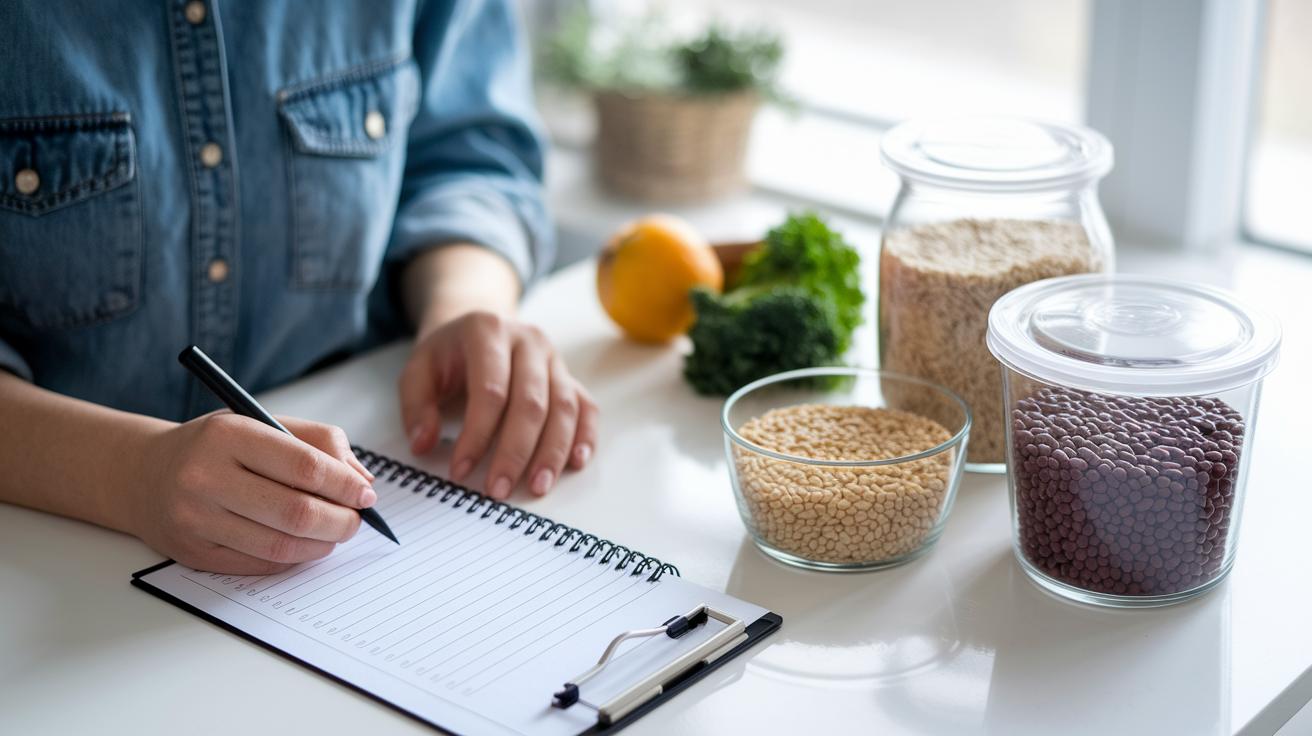
When you plan your meals with a set budget in mind, you free up both time and money. Having a clear grocery list means you dodge those last-minute buys that can mess up your healthy eating goals. It not only cuts your expenses but also helps keep food waste to a minimum.
Setting up a smart meal prep routine is all about taking a little extra time to shop for affordable ingredients and cooking them all at once. This lets you control your portions and makes busy weekdays a lot less stressful.
- Make a grocery list before shopping to ward off impulse buys.
- Stock up on basics like rice, oats, lentils, and beans by buying them in bulk.
- Go for frozen fruits and veggies to save money and reduce waste.
- Pick budget-friendly proteins such as chicken thighs and canned beans.
- Turn leftovers into new meals like bowls, soups, or wraps.
- Use sturdy glass or airtight containers to keep your food fresh.
By combining budget-friendly ingredients with meal prepping in batches, you only need a few hours to cook several meals at once. This method not only cuts down on your daily cooking time but also ensures you always have a healthy meal ready to go, steering you clear of fast food when you're in a rush and keeping you on track with your wellness goals.
Vegetarian and High-Protein Slimming Dishes for Fat Loss

Mix up your favorite meals with healthy, fun twists to support your fat loss goals. You might enjoy classic dishes like a Mediterranean quinoa bowl, a hearty lentil and vegetable soup, tasty egg muffins, or a grilled chicken bowl that packs plenty of nutrition. Now, picture a warm chickpea and spinach curry simmered in olive oil with onion, garlic, and ginger, and finished with fresh spinach. Top it off with a side of crunchy roasted chickpeas, great for salads or just for snacking.
This guide shows how plant-based meals load up on fiber and essential vitamins, while high-protein dishes help keep your muscles strong and your energy steady. For instance, try tossing sautéed onions, garlic, and ginger with chickpeas and spinach; it creates a savory, satisfying dish that feels both comforting and refreshing.
| Recipe | Key Ingredients |
|---|---|
| Chickpea & Spinach Curry | Chickpeas, Spinach, Olive Oil, Onion, Garlic, Ginger |
| Roasted Chickpeas | Chickpeas, Seasonings, Olive Oil |
Smart Shopping and Storage Tips for Meal Prep Success

Plan your grocery trips ahead of time. Start by making a clear, seasonal shopping list, think fresh spinach for a crunchy salad. This approach cuts down on waste and fills your meals with vibrant, fresh flavors.
Choose smart storage options that last and help the planet. Use glass or BPA-free airtight containers that keep your food fresh over time. Write labels with the contents and date (for example, "chopped veggies – 04/28") to make rotating your meals a breeze. A quick handwritten note can really save time on hectic days.
Freeze extra portions to lock in nutrients and keep your meals exciting. If you have leftover stew or another dish, divide it into small batches, add a date tag, and pop it in the freezer. Long-term meal prep is a step toward a healthier lifestyle, check out How to Live a Healthy Lifestyle for more tips.
Final Words
In the action, we explored how smart meal prep for weight loss can clear up planning and portioning your meals. The post broke down practical steps like whipping up overnight oats, egg muffins, and even balanced vegetarian or high-protein dishes, while sharing tips for smart shopping and food storage.
Every step is designed to keep your menu fresh and your routine straightforward. Enjoy testing these practical ideas and feel great knowing each meal is a step toward a healthier lifestyle.
FAQ
What does meal prepping mean and is it a good way to lose weight?
Meal prepping means planning and preparing meals ahead to control portions and nutrients, which helps support consistent weight loss and a healthy calorie intake.
What are some meal prep ideas for weight loss on a budget and with high protein?
Meal prep ideas include affordable recipes like overnight oats and egg muffins, along with high-protein options like grilled chicken bowls that keep you full and energized.
How can I incorporate diverse cuisines, such as Indian recipes, into my weight loss meal prep?
Incorporating diverse cuisines means using recipes that feature spices, lean proteins, and vegetables, including Indian dishes, to keep meals flavorful and nutritionally balanced.
What does a 7-day meal prep for weight loss involve?
A 7-day meal prep involves planning balanced meals for each day of the week, picking nutrient-rich recipes, and preparing a variety of dishes to maintain energy and metabolism.
What is the 30/30/30 rule for weight loss?
The 30/30/30 rule typically means dividing daily calorie intake into roughly 30 percent protein, 30 percent carbohydrates, and 30 percent healthy fats, though needs vary per person.
How can a meal plan help me lose 7lbs in 2 weeks?
A meal plan to lose 7lbs in 2 weeks focuses on calorie-controlled, nutrient-dense meals paired with regular activity, but it’s best to consult a professional for personalized advice.
What is considered the quickest diet for weight loss?
The quickest diet for weight loss is not always the best; sustainable methods emphasize balanced meals, proper portion control, and regular exercise to support lasting results.
Where can I find free meal prep resources like PDFs for weight loss?
Free meal prep resources and PDFs provide recipes, shopping lists, and easy guidelines that simplify planning healthy meals, helping you stay on track with your weight loss goals.