
Have you ever thought that nature might offer a better way to care for your health? For hundreds of years, people have turned to herbs as a natural substitute for man-made treatments. Herbs like turmeric and ginkgo biloba work with your body, easing joint discomfort and even helping keep your memory sharp. In this article, we're exploring herbal remedies that gently support your natural healing process. Stay with us as we uncover how these time-tested, plant-based solutions can boost your everyday well-being.
Comprehensive Overview of Medicinal Herbs
Medicinal herbs are plants that use parts like leaves, roots, flowers, and seeds to support your health and help treat common ailments. For centuries, ancient traditions like Chinese homeopathy and Ayurveda have used herbs like Ginkgo biloba and turmeric, serving them up in teas, capsules, and extracts. These natural options give you a plant-based choice instead of synthetic drugs, which can feel like a more personal way to connect with nature.
Herbal medicine comes in many delightful forms. You can sip on a warm herbal tea, use a tincture for quick absorption, dab a soothing oil on your skin, or simply pop a capsule for ease. People often add these plant treatments to their daily routines to help keep their balance, especially when modern life seems to throw off their natural rhythm. Many enjoy medicinal herbs because they work in tune with the body and have a rich history of trusted use.
Even with all the benefits, it’s important to use herbal treatments wisely. Checking out a holistic guide to wellness can help you balance benefits with possible side effects or interactions. By following evidence-based tips, you can enjoy the natural boost of herbs while keeping your overall health and safety in mind.
Medicine Herbs Spark Natural Healing: Essential Herb Profiles

When it comes to natural health, many people choose medicinal herbs to help boost everyday well-being. For example, Ginkgo biloba has been used in Chinese medicine to help with memory. Imagine taking a little extract every day to clear your mind. Turmeric, known for its inflammation-fighting benefits, is a great helper for joint comfort, while evening primrose oil is a popular pick for easing PMS discomfort and sensitive skin. Each herb offers its own special support when used in the right way.
Below is a handy table that shows nine favorite herbs. It lists how they've been traditionally used, their key benefits, suggested doses, and a few side notes. Think of it as a quick guide if you're ready to explore these natural helpers. You might even add a couple of tablespoons of flax seed to your morning yogurt or salad for an extra boost of omega-3s. Little changes like these can gently steer you toward better wellness.
| Herb | Traditional Uses | Key Benefits | Dosage | Side Effects |
|---|---|---|---|---|
| Ginkgo biloba | Used in Chinese medicine for memory support | Helps circulation and brain function | 120–240 mg/day extract | Risk of bleeding |
| Turmeric (Curcuma longa) | Used in Eastern remedies for inflammation | Calms inflammation and supports joint health | 500–2,000 mg/day curcumin | May interact with blood thinners |
| Evening Primrose Oil | Traditionally used for PMS and skin issues | Relieves PMS symptoms and eases eczema | 500–1,000 mg/day | Headache, upset stomach |
| Flax Seed | Used as a fiber supplement | Provides fiber and omega-3 fatty acids | 2 tablespoons/day | Minor stomach upset |
| Tea Tree Oil | Applied topically as an antiseptic | Fights germs and microbes | For external use only | May cause skin irritation |
| Echinacea | Consumed as tea or extract for immune boost | Supports the immune system | Follow product instructions | Not for those with autoimmune issues |
| Grapeseed Extract | Used as an antioxidant supplement | Provides antioxidant support | 100–300 mg/day | Generally well-tolerated short-term |
| Lavender | Used in aromatherapy and as a flavoring | Helps promote relaxation | 1–2 drops essential oil or tea | Use with care during pregnancy |
| Chamomile | Brewed as tea for digestion and sleep | Calms the body and aids digestion | 1–2 cups tea | May cause allergies if sensitive to ragweed |
Dosage Guidelines and Safety Considerations for Medicinal Herbs
| Herb | Recommended Dosage | Additional Usage Tips |
|---|---|---|
| Ginkgo biloba | Take 120–240 mg of the extract daily | If you’re using blood thinners or planning surgery, keep a close eye on it. |
| Turmeric (Curcuma longa) | 500–2,000 mg of curcumin daily | Mix with black pepper or a bit of fat to help your body absorb it better. |
| Evening Primrose Oil | 500–1,000 mg per day | It’s best taken with meals to lessen any chance of headaches or an upset stomach. |
| Flax Seed | 2 tablespoons per day | Start with a little and use ground seeds so your body gets the nutrients easier. |
| Tea Tree Oil | For topical use only | Always dilute and do a small patch test to avoid skin irritation or allergies. |
| Echinacea | 300–500 mg of extract per day | Use for short periods and skip if you have autoimmune issues. |
| Grapeseed Extract | 100–300 mg each day | Take with food if you experience any mild digestive upset. |
| Lavender | 1–2 drops (essential oil) | Always ensure it’s well diluted for aromatherapy or skin use, especially for sensitive skin. |
| Chamomile | 1–2 cups of tea per day | If you have allergies (such as ragweed), try a small sip first to be safe. |
Traditional and Cultural Context of Plant-Based Therapies in Herbal Medicine
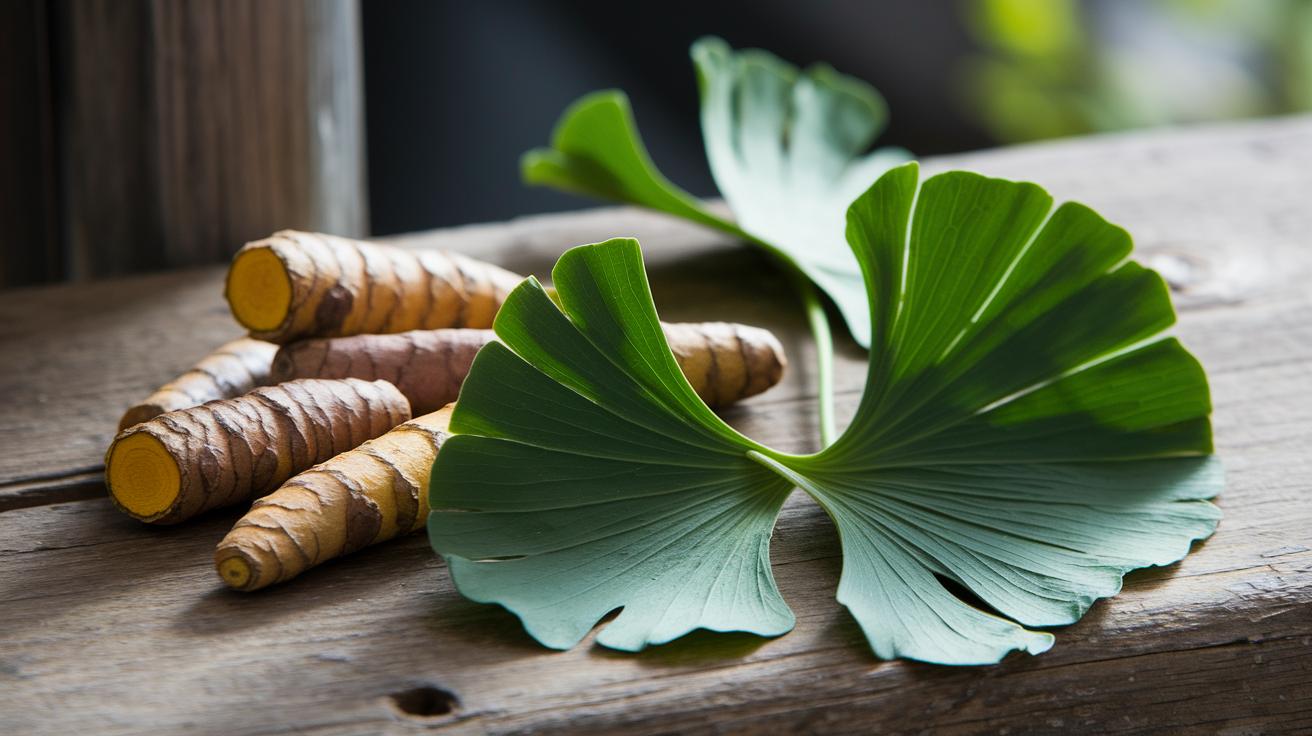
For many years, people from all over the world have trusted herbs to boost their well-being. They wove these plants into daily routines, meals, and even special ceremonies. For example, Chinese herbal practices have long used ginkgo biloba as a memory helper, while in Southeast Asia, turmeric is known to ease inflammation. In Egypt, Greece, and Rome, chamomile tea was enjoyed not only for its gentle taste but also for its role in healing. Native American traditions also celebrated echinacea as a way to support the body’s defenses.
In the Mediterranean, lavender was favored for its soothing aroma and calming effect, often used in aromatherapy. In ancient Middle Eastern kitchens, flax seed was a key ingredient in nutritious diets. In North America, folk remedies turned to evening primrose oil to relieve everyday discomforts. These traditional uses remind us that nature and culture have always been linked, guiding us to better health. For more insights on these time-tested practices, explore this link to holistic remedies.
Phytochemical Benefits and Scientific Research Behind Medicinal Herbs
Turmeric’s standout ingredient, curcumin, helps calm the body’s inflammation. Studies show that it might block a protein called NF-kB, a trigger for inflammation. This could explain why many people use turmeric to support joint comfort and overall well-being. In a similar way, ginkgo biloba has natural compounds called flavonoid glycosides that seem to improve tiny blood vessel flow, which may boost brain function.
Grapeseed extract is popular because of its powerful antioxidants, known as proanthocyanidins, which help protect cells by neutralizing free radicals, unstable molecules that can harm our cells. Research in labs suggests that these antioxidants play an important role in cellular protection. Meanwhile, echinacea contains special compounds named alkamides. Early studies hint that these may help balance the immune system by gently guiding the production of immune messages called cytokines. And tea tree oil, with its terpinen-4-ol ingredient, has shown germ-fighting powers in lab tests, which supports its traditional use for soothing minor skin irritations.
While early research gives us helpful insights, there are only a few long-term human studies available. Scientists are continuing to explore these natural benefits, carefully combining traditional wisdom with new scientific findings. Even though the early results look promising, experts advise a cautious approach as we learn more about these herbal wonders.
Cultivation, Harvesting, and Preparation Methods for Medicinal Herbs

First, choose the right spot for your herbs. For example, Ginkgo biloba grows best in cooler, temperate areas, while turmeric loves warm, nutrient-rich soil. Chamomile thrives in bright sunlight with soil that drains well. Picking the right location is the first step toward growing healthy, strong herbs.
Next, mix natural compost into your soil to give your herbs a good start. As your herbs grow, watch their bloom closely and pick the leaves before they fully open. This way, you keep the strongest medicinal benefits. When drying your herbs, keep the temperature around 100°F or lower, imagine it like slowly drying fresh bread dough so it holds onto its best qualities.
For a simple herbal tea, use about 1 teaspoon of dried herb for every cup of water. If you like a richer taste, simmer 1 tablespoon per cup for 10–15 minutes to pull out deeper flavors. When making tinctures, mixing one part herb with five parts alcohol works nicely. Finally, store your herbal extracts in amber bottles at room temperature. This helps keep them potent and shields them from light.
Final Words
In the action, we explored how plant-based treatments using medicine herbs can support well-being. The post highlighted different usage forms, safe dosage guidelines, and a peek into traditional practices. Short descriptions of each herb helped us understand their roles in history and modern use. It’s all about making informed health choices and embracing methods that fit today’s lifestyle. Remember, every small step toward understanding herbal benefits can brighten your daily routine. Enjoy the positive effects of nature’s simple health tools!
FAQ
What do medicinal plants lists and herbal medicine lists include?
The medicinal plants lists refer to collections of commonly used herbs, featuring details like uses, dosages, and pictures. They cover herbs such as turmeric, chamomile, and ginkgo biloba in traditional remedies.
What is the best herb for medicine?
The best herb for medicine depends on specific health needs. Many turn to turmeric for its anti-inflammatory properties or chamomile for digestive comfort, but individual responses may vary and professional guidance is advised.
What is the most powerful medicinal herb?
The most powerful medicinal herb is subjective, varying by treatment goals. Turmeric, known for its high curcumin content, is often cited for its strong anti-inflammatory benefits, though herbal effects differ among users.
Does the Bible say that herbs are medicine?
The Bible frequently mentions herbs in contexts that imply healing and nourishment. These references suggest that natural remedies were valued in ancient times, offering insight into traditional views on health.
What are the 10 herbs approved by DOH?
The 10 herbs approved by health authorities include a curated list of natural remedies recognized for their safety and efficacy. Specific details can vary, so checking the latest DOH guidelines ensures the most current, accurate information.