
Ever feel like your mind is swirling with too many thoughts? In our busy lives, quiet moments can seem hard to find. But what if a few easy steps could bring you a sense of calm? There are three simple techniques that help you stay in the moment and relax your mind when stress starts to build.
These mindful steps work like a refreshing pause in your day. They help you shift your focus and clear away the mental clutter so you can enjoy a little peace right now.
Give these practices a try. Even a few moments of focus can lift the fog and create a more peaceful space for you.
Practical Mindful Grounding Techniques for Instant Stress Relief

Mindful grounding helps steer your mind away from racing thoughts and pulls you into the calm of the present. It stops panic in its tracks and eases stress by anchoring you to the here and now. In just a minute or two, these simple tricks can lower your heartbeat and clear your mind, whether you're swamped at work or hit by a sudden bout of anxiety.
These exercises are easy to do and can help you feel focused and relaxed wherever you are, at your desk, out for a walk, or even at home. They’re a handy way to ease everyday stress.
- Sit quietly and focus on your breathing for about 10 minutes. This little moment helps your body relax.
- Try the 5-4-3-2-1 exercise: Find five things you can see, four you can touch, three you can hear, two you can smell, and one you can taste. It pulls your attention back to the now.
- Breathe deeply using the 4-7-8 method: breathe in for 4 seconds, hold your breath for 7 seconds, and slowly exhale for 8 seconds. This helps calm your nerves.
- Do a body scan starting at your feet and moving upward. Notice any feelings or sensations without judging them.
- Firmly press your feet into the ground. Feeling that solid connection can remind you that you're safe and grounded.
These grounding techniques work like a quick reset button, helping you handle strong feelings and stay in the present moment with clear, immediate benefits.
Exploring Mindfulness Body Scan and Breath-Focused Grounding

When you bring your focus to simple signals from your body and breath, you can help lower your stress. It’s like giving yourself a little break to really feel what’s happening inside.
Body Scan Meditation
Start at your feet and slowly move your attention upward. Feel the ground under your feet, notice the gentle sensations in your legs, and sense the fabric on your arms. You might even feel a warm, relaxed feeling in your shoulders as you move your focus. It’s a bit like tuning into a quiet song that your body is playing.
Deep Breathing Exercises
Try box breathing: breathe in for 4 seconds, hold for 4, breathe out for 4, and hold again for 4. Then, switch to the 4-7-8 method. Inhale for 4 seconds, hold for 7, and exhale slowly for 8 seconds. These steady breaths can help slow down your heart rate and relax your muscles. Think of it like matching your breathing to a soft, slow beat, it really calms things down.
By practicing these simple techniques, you give both your body and mind a chance to relax and lower stress.
Sensory Awareness Exercises for Grounding Your Senses

When you use your five senses, you invite yourself to be fully in the moment. Picture the gentle hum of a neighbor's mower, the warm glow of a sunset, or the inviting smell of freshly brewed coffee. Noticing these little details can make your everyday experiences feel richer and more alive. You might even jot them down in a simple sensory journal to remember the moments.
Try this fun 5-4-3-2-1 exercise. First, list five things you see, like the sparkle of light on a window. Next, write down four textures you feel, such as the cool surface of your phone or the soft fabric of your chair. Then, notice three sounds, maybe the quiet hum of a fan or the rustle of leaves. After that, choose two smells, like that fresh coffee aroma or a hint of lavender. Finally, focus on one taste, like savoring a sip of cool water. Writing down these details, like "felt the smooth cool touch of my phone, heard the soft chirp of birds, saw a bright flash of sunlight on a glass surface," helps bring the moment into focus.
This simple sensory exercise can calm busy thoughts by keeping you grounded in the here and now. It’s a gentle way to ease your mind and enjoy the richness of your daily life.
Physical Grounding Methods: Movement and Touch

Physical grounding uses body movement and touch to help you reset when stress builds up. Simple actions like pressing your hand against a surface or feeling the ground under your feet remind you to stay in the moment. This sensory connection can calm your mind and boost your awareness during intense feelings.
Give these quick methods a try. Press your feet firmly into the floor and notice the contact with every step. Hold an ice cube in your hand for a sudden, cool jolt that snaps you out of stress. Try tensing your arms and legs for a moment, then slowly let the tension fade away. Even a short barefoot walk on a patch of grass can help you reconnect with your body and the earth, offering calm in just a few minutes.
Feel free to adjust these techniques to fit your surroundings. At work, you might press your feet into the floor during a short break, or at home, try holding an ice cube if you feel overwhelmed. A quick barefoot stroll outdoors can also work wonders. Experiment with these ideas and use what feels right wherever you are. These simple moves can help bring balance and inner peace back into your day.
Guided Mindfulness Sessions and Visualization for Emotional Balance

Guided mindfulness is a simple way to quiet your busy mind by gently focusing on a safe and welcoming space you create in your imagination. It helps slow down that racing train of thoughts and shifts your focus away from stress, letting you feel more balanced. By mixing easy visualization techniques with affirmations like "I am safe," you help calm both your body and your mind.
Safe Space Visualization
Picture yourself in a place that feels warm and familiar, maybe the cozy nook from your childhood or a quiet beach with soft golden light at sunset. Close your eyes, take slow, deep breaths, and start to see the details: the colors, the textures, and even the gentle sounds around you. With every breath, feel the tightness ease up a bit, and quietly repeat a soothing phrase like "This too shall pass." Imagine soft waves or a gentle light wrapping around you, drawing your attention fully to the moment. This simple, step-by-step practice can shift your mind away from stress and bring you back to a safe inner space.
Guided Grounding Scripts for Adults and Children
These scripts use clear details to help you notice what’s around you. Whether it's the feel of a chair beneath you or the sound of calm background music, the goal is to invite all your senses into the experience. The prompts are made for both adults and kids so that everyone can enjoy a moment of calm together. And if you like using digital tools, guided meditation apps or live group sessions can offer you different ways to ease stress and feel grounded.
Integrating Mindful Grounding into Daily Routines for Lasting Clarity
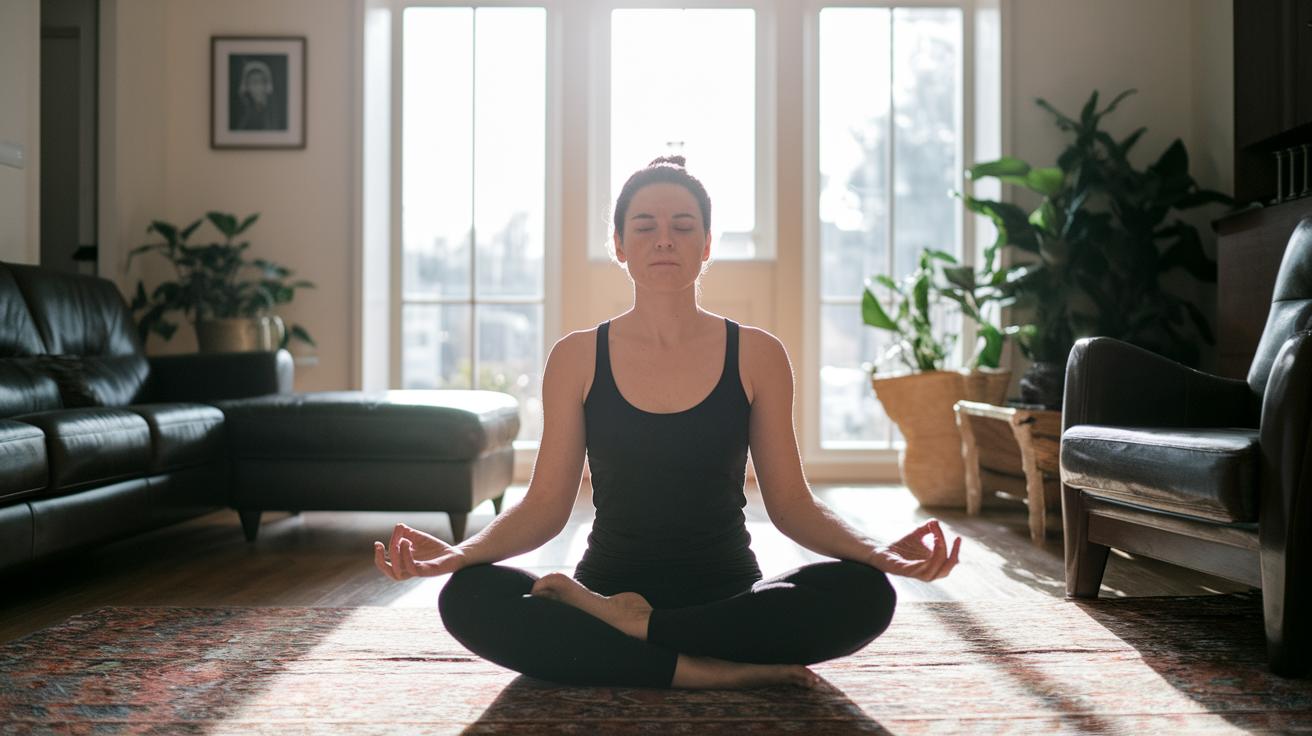
Building a daily grounding practice can help you keep a clear mind and stay focused through your day. Even small tweaks in your routine can create moments of calm, no matter how busy you are, helping you feel centered amid life's demands.
-
Start your morning with a 5-minute body scan. When you wake up, sit or lie down comfortably and spend five minutes slowly moving your attention from your toes up to your head. Just notice the different sensations in your body without any judgment.
-
At midday, try a quick 5-4-3-2-1 sensory break. For about two minutes, take a moment to notice five things you see, four things you can touch, three sounds, two smells, and one taste. This simple exercise helps bring you back to the present moment.
-
Before tackling important tasks, use a 4-7-8 breathing technique. For three minutes, breathe in for 4 seconds, hold that breath for 7 seconds, and gently exhale for 8 seconds. This steady breath pattern can ease any anxiety before meetings or challenges.
-
End your day with 5 minutes of reflective journaling. Jot down three positive things or observations from your day. This simple habit not only grounds you but also helps shift your mindset toward feeling more optimistic.
You might find it helpful to set reminders on your phone or use a habit-tracker app. Seeing your progress build over time makes it easier to stick with these practices, leading to lasting mental clarity.
Trauma-Informed Mindful Grounding Practices for Emotional Safety

When tough memories or strong feelings begin to flood in, try grounding yourself gently to bring your focus back to the present. This trauma-informed method helps you separate what happened in the past from what you’re experiencing now, giving you a safe space to feel calm.
Start with a simple exercise: quietly name five neutral objects you see around you, perhaps a plain clock, an ordinary chair, or a simple painting. Then, take a moment to feel your feet firmly on the floor, noticing the solid support beneath you. Next, slowly check in with your body, starting at your toes and moving upward, paying attention only to the parts that feel comfortable. Let your breath come in slowly through your nose and out the mouth, as if a gentle wave is washing over you.
If this exercise ever feels overwhelming, it’s okay to pause and take a few extra slow breaths. Adjust the steps to match your pace, and know that reaching out to a professional for extra help is always a good idea.
Final Words
In the action, you discovered effective grounding exercises that reconnect you to the present moment and ease stress. The article highlighted mindful awareness practices, step-by-step techniques, and trauma-informed tips, all geared toward calming your mind and body.
Using mindfulness grounding techniques like the 5-4-3-2-1 sensory exercise and deep breathing feels practical and empowering. Small, daily practices can pave the way to lasting clarity and well-being.