
Ever wonder if one deep, mindful breath could change your day? Living with ADHD can feel like your thoughts are running a race, making it hard to catch up. Taking a moment to breathe mindfully is like hitting a reset button. Each slow, steady breath helps you focus on the here and now, making the chaos a little less overwhelming.
In this post, we'll chat about how a mindful pause can gently calm your mind. With each breath, you might find that focusing becomes easier and everyday tasks feel more manageable.
How Mindfulness Practice Eases ADHD Symptoms

Mindfulness is about training your mind to stay in the present moment. It shifts your focus away from worries or distractions that often trouble those with ADHD. Imagine sitting quietly and feeling the cool air as it comes in through your nose and leaves through your mouth. Every breath can gently reconnect you with calm.
This simple practice not only lifts your mood but also helps you manage sudden urges. When you take a mindful breath, you create a small pause that gives you time to decide a different action. Many people say mindfulness helps them think more clearly and stay organized. Picture feeling the solid touch of your feet on the floor, grounding you right when your thoughts begin to wander.
Mindfulness also builds self-control, making day-to-day tasks feel more manageable. By adding these techniques into your routine, you can enjoy better focus, clearer thoughts, and a quieter mind even when life gets busy.
Three-Step Mindfulness Technique for ADHD Self-Regulation

This simple exercise helps bring your mind back to calm by focusing on what you feel and hear. It guides you from racing thoughts to the here and now, easing hyperactivity and strengthening self-control.
-
Physical Awareness: Start by paying attention to your body. Feel how your feet are planted on the floor, notice the way your back rests against the chair, and sense any other parts of your body that touch something. Imagine the solid feeling under your feet, it reminds you that you are safe right now.
-
Auditory Awareness: Next, listen to the sounds around you. Whether it’s the quiet hum of a fan or the soft whisper of distant voices, let these noises come and go without labeling them as good or bad. This step helps you notice the world without getting caught up in distractions.
-
Breath Awareness: Finally, focus on your breathing. Watch each inhale and exhale and notice how the air moves in and out. This natural rhythm can quiet a busy mind and help you feel balanced. If you want, try counting your breaths or simply feel the air, either way, it helps clear away mental clutter.
By working through these steps, you build a calmer state of mind and learn stronger self-regulation to manage ADHD-related restlessness.
Mindful Meditation Techniques Tailored to ADHD
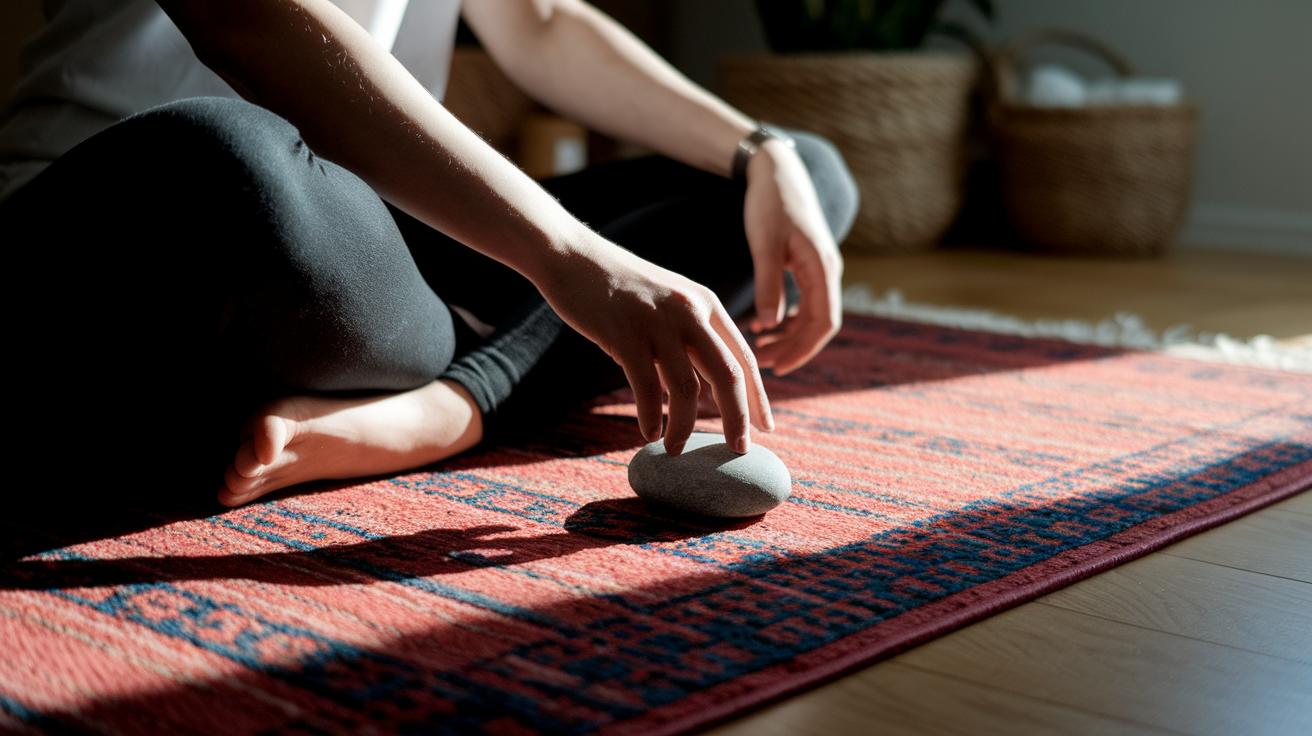
Start by noticing your body. Slowly feel the sensations from your feet up. Feel your feet steadily on the ground and then sense the gentle rise and fall of your chest as you breathe. This simple attention can ease restlessness and ground you.
Next, turn your focus inward. When a thought pops up, give it a name like "thinking" or "feeling." Imagine whispering, "I'm noticing a burst of worry," and then let your breath guide you back. This little pause can help calm impulsive feelings.
Then, use your senses to anchor yourself further. Hold a small object and really feel its texture, or listen to quiet sounds nearby. Picture softly running your fingers over a smooth stone while a distant hum quiets your racing thoughts. These simple sensory moments can help clear your mind.
For more ideas on grounding techniques for anxiety, check out this link: grounding techniques for anxiety.
mindfulness practice for adhd: Calming Focus Today

Pick a regular time each day for your practice. Find a moment that works with your energy, maybe bright and early, during a quiet mid-day, or in the calm of the evening. Even five minutes can give you a little pause to manage busy thoughts and refocus your energy.
Find a peaceful, comfy spot where you can try different positions. You might sit in a favorite chair, lie down, or even take a slow walk. The goal is to keep distractions low. Turn off your devices so you can focus on simple things like counting your breaths or feeling the cool air as it moves in and out. If you need a little extra boost, try practicing with a partner. It can make the routine more fun and keep you motivated.
When you need a quick reset during your day, pay attention to your breathing. Count your inhales and exhales, or just feel the air’s cool touch. This simple act can help ease any tension and bring your attention back. If you like more structure, try deep breathing for anxiety techniques until you find one that works best for you. Small tweaks, like changing your seating or using a timer, can turn these brief mindfulness breaks into a strong tool for managing ADHD symptoms.
The Science and Case Evidence for Mindfulness in ADHD
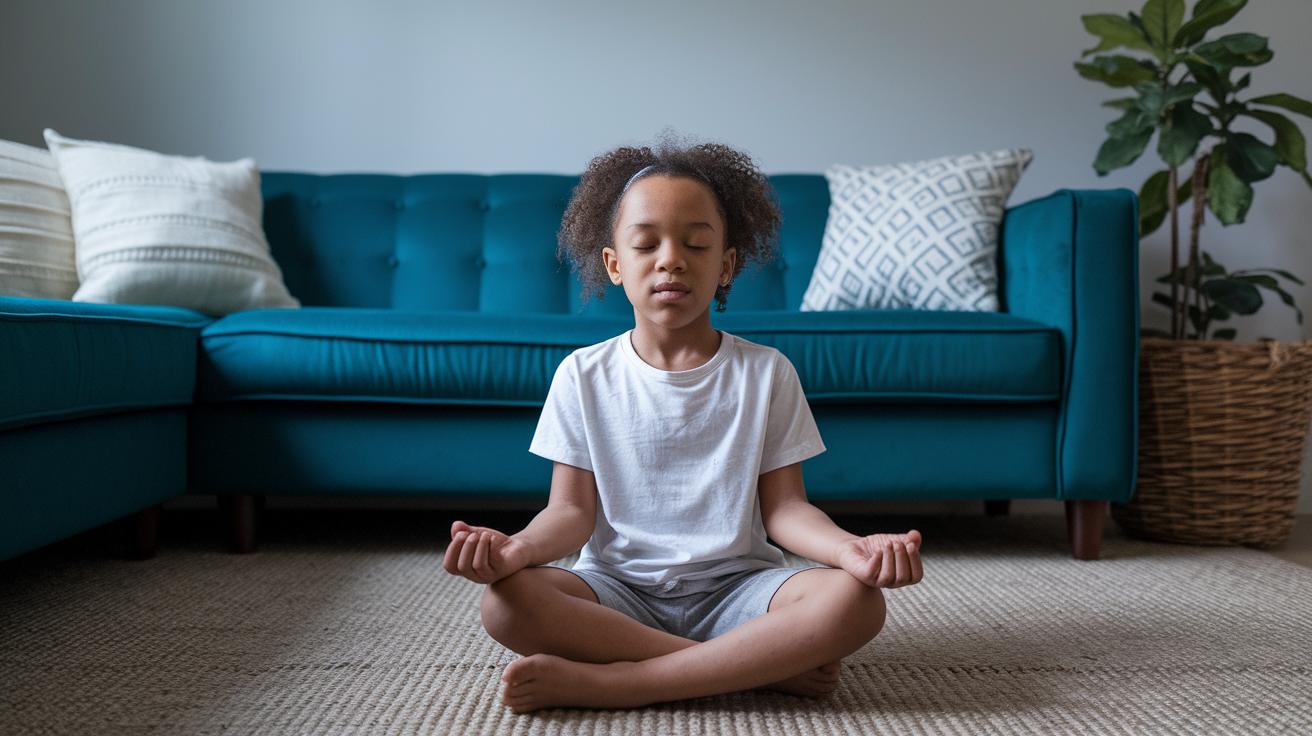
Recent studies have shown that mindfulness exercises can help lower many common ADHD symptoms like sudden actions, trouble with self-control, overwhelming emotions, rigid thinking, memory struggles, and stress. Mindfulness gives your brain a small break between feeling an urge and acting on it so you can choose a calmer reaction. This pause makes it easier to manage daily challenges and improves how you handle emotions.
New case studies agree with these findings. Regular mindful practice can quiet busy thoughts and reduce hyperactivity. Scientists have found that simple exercises like deep, slow breathing and noticing the sounds and sights around you light up parts of the brain that help with self-control and memory. Even small habits, such as always keeping your keys in the same spot, might boost dopamine levels, a chemical that helps with memory and clear thinking.
All the evidence suggests that mindfulness is a strong tool for managing ADHD symptoms. It supports clear thought and balanced emotions. For more detailed advice on ADHD mindfulness practices, visit mindful adhd.
Mindfulness Routines for Children with ADHD

Parents can make mindfulness fun by setting up quick sessions that last less than five minutes. Begin with an interactive tale that turns the idea into a little adventure. For example, you might say, "Imagine you're a brave explorer finding a hidden garden." Let your child picture every little detail as they listen.
Try adding fun activities that use the senses. A great idea is five-finger breathing: have your child slowly trace the shape of their hand while taking a deep breath. Another idea is a sound hunt where you both listen for two or three different sounds in the room. These simple games not only capture attention but also make the idea of mindfulness easier to grasp.
It also helps to keep a steady routine. Think about setting aside a mindful moment before homework or bedtime. You can sit together for a quick pause to focus on breathing or share a funny, soothing thought. When you take time to practice mindfulness alongside your child, they see how cool it is to pause and reflect.
Using these kid-friendly mindfulness steps makes it easier for calm habits to stick around. The playful twist turns mindfulness into a shared, enjoyable activity that helps your child relax and focus through the day.
Final Words
In the action, we've explored simple mindfulness techniques that help ease ADHD symptoms. We broke down methods to shift focus, balance emotions, and build daily habits using mindful breathing and body scans.
Step-by-step guides showed how mindfulness supports clear thinking and self-care. Research-backed insights remind us that a mindful routine can make everyday moments a bit calmer.
Keep experimenting with mindfulness practice for adhd and enjoy the small wins along the way.
FAQ
Where can I find free downloadable mindfulness resources for ADHD?
Free PDF guides for mindfulness practice with ADHD offer clear steps and exercises to boost focus and calm. These accessible documents help adults learn mindful techniques without added cost.
What mindfulness exercises are suitable for children with ADHD?
Mindfulness exercises for children with ADHD include simple breathing routines, interactive stories, and sensory games. Such practices help kids quickly learn skills to relax, focus, and regulate their behavior.
What insights does the ADHD mindfulness community share on Reddit?
Reddit discussions on ADHD mindfulness provide real-life tips, shared experiences, and practical advice. This community exchange helps users learn new strategies to manage their ADHD symptoms effectively.
What benefits can an ADHD mindfulness book offer?
An ADHD mindfulness book offers easy-to-understand guidance on using mindfulness techniques to improve focus and calm. It often features relatable stories and step-by-step practices that target common ADHD challenges.
How do you practice mindfulness with ADHD?
Practicing mindfulness with ADHD means focusing on your breath, body sensations, and the present moment. Simple exercises such as mindful breathing or a structured three-step technique help reduce stress and improve attention.
What does the 24-hour rule for ADHD mean?
The 24-hour rule for ADHD suggests pausing before acting on impulses by giving yourself one day to reflect. This pause helps decrease emotional reactivity and supports more thoughtful decision-making.
What are common ADHD coping mechanisms?
Common coping mechanisms for ADHD include practicing mindfulness, organizing daily routines, and breaking tasks into smaller steps. These strategies help manage symptoms, reduce stress, and support emotional well-being.
What are some of the best habits for managing ADHD?
The best habits for ADHD include setting consistent routines, taking short mindfulness breaks, engaging in regular exercise, and establishing clear, achievable goals. These habits promote focus, self-regulation, and overall calm.