
Have you ever thought that a simple question might quiet the storm in your mind? Mindfulness questions help you notice how you feel and what you see, making life seem a little less hectic. Each prompt invites you to slow down and check in with your body and heart, letting go of busy, jumbled thoughts.
This short pause gives you a chance to reconnect with the here and now. It may even spark a calming feeling that makes your everyday life a bit brighter.
Core Mindfulness Inquiry Prompts to Jumpstart Reflection

Starting a daily practice of asking yourself simple, mindful questions can help quiet the thousands of thoughts buzzing around in your mind. These prompts invite you to pause, take a deep breath, and check in with how you truly feel, both in your body and in your heart. They gently steer your focus to what’s happening right now, whether it’s the little sounds around you or a soft sensation in your hands.
You can use these questions in your meditation, write about them in your journal, or simply use them as a way to connect with yourself during a busy day. They’re all about helping you discover a calm, clear space inside. Just take a moment to explore them, and you might find a deeper sense of peace.
| Prompt | Purpose |
|---|---|
| What am I feeling right now? | Emotional awareness |
| Name three things you can hear | Sensory grounding |
| What can I see around me? | Visual observation |
| How is my body feeling? | Physical sensation check |
| Which positive emotion can I tap into? | Positive mindset |
| What is one kind thought for myself? | Self-compassion |
| What is one small thing that brings me joy? | Focus on gratitude |
| What thoughts are occupying my mind? | Thought awareness |
| What can I feel in my hands right now? | Tactile focus |
| Which part of this moment feels most peaceful? | Present moment awareness |
| How energized do I feel at this moment? | Energy level check |
| Which sound in my area feels soothing? | Auditory grounding |
Integrating Mindfulness Questions into Meditation and Journaling Routines
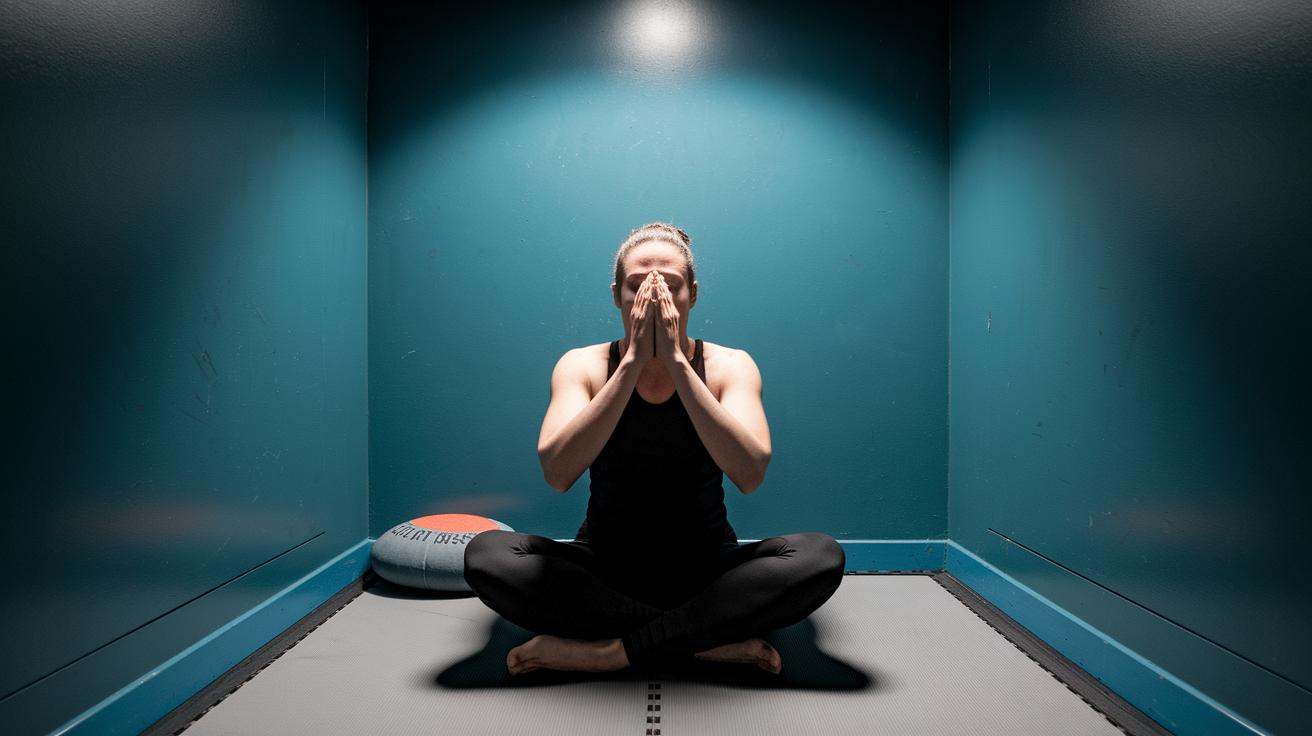
Find a quiet spot where you can enjoy a few uninterrupted moments each day. Pick a cozy corner or a calm room, dim the lights, and settle in with a comfy cushion or chair. Treat this space like your own little retreat, a place to slow down, breathe, and let your thoughts settle.
Start with an exercise called Box Breathing, also known as Square Breathing. Breathe in slowly, hold it for about four seconds, then breathe out for four, and hold again before you repeat. This simple pattern helps calm your mind and gets you ready for deeper reflection. You might even try to imagine watching yourself from a distance; it can make you feel more open and kind to yourself. For more on these calming benefits, check out deep breathing for anxiety at https://siluk.net?p=130.
After your breathing exercise, choose three to five mindfulness questions for your journal. Jot down your thoughts and feelings, noticing any changes along the way. Think of it like an exit ticket, each day, your entries show your progress and help you stay connected to yourself.
Mindfulness Questions Inspire Daily Inner Peace

Every day gives us a chance to check in with ourselves through simple questions about our feelings and actions. These prompts help us notice our moods, celebrate small changes in our calm, and turn ordinary moments into chances for thoughtful reflection.
Student Mindfulness Prompts
For students, a few questions can spark awareness about how feelings can shape learning. Asking things like "What does calm look like for you?" helps young minds know when they’re ready to concentrate on class. It’s a friendly way to bring clarity and presence into their day.
Adult Reflective Queries
Adults can use gentle questions to spot little shifts in their emotions. When you take a moment to think about what calm means for you, it can turn a hectic day into a small victory. These prompts remind us to be kind to ourselves and give a nod to even the smallest positive change.
Group Meditation Check-Ins
In group sessions, sharing answers to simple mindfulness questions can bring everyone closer together. Each person can mention a sound, a touch, or a thought that stands out in that moment. Such sharing creates a warm and supportive circle where everyone feels connected.
Workplace Reflection Pauses
A quick break at work can feel very refreshing when you ask yourself easy questions about your energy or feelings. These mini check-ins act like a reset button, helping you get back to your tasks with a clearer mind and balanced energy.
The Benefits of Regular Mindful Inquiry for Self-Awareness

Regular mindful inquiry gives you more than just a calm headspace, it helps you learn new things about yourself. Recent research shows that spending a few moments each day checking in with your feelings can lower stress by 25% over three months. Imagine pausing during a hectic day and asking, "What is one small step I can take to ease my anxiety right now?" That tiny break can clear your mind and bring a fresh outlook. Dr. Jane Doe, a psychologist who works with mindfulness, said that taking time to reflect not only steadies your emotions but also sparks creative solutions when you face challenges.
Other studies point out that mindful inquiry can boost your problem-solving skills and work efficiency. In one case, employees who used simple self-check questions improved their task performance by 20% in just six months. Think about asking yourself, "What small change today might lead to a calmer tomorrow?" By making this practice a habit, you build clarity, emotional strength, and a greater sense of well-being every day.
Crafting Personalized Mindfulness Questions: Tips and Examples

Start by finding a quiet moment and grabbing a notebook. This is your chance to explore your feelings with simple questions that begin with What, How, and Why. These questions help you notice your senses, emotions, intentions, and gratitude.
Imagine coming home after a brisk walk and sitting with your journal. You might write, “What am I grateful for today?” to celebrate small moments of joy. Then, you could jot down, “How does my body feel after movement?” to check in on any physical changes. Next, ask yourself, “Why is this moment meaningful?” to dig into what makes it special. Other ideas include noting, “What small detail did I notice about the sky?” for a visual check, or “How did that sound make me feel?” when thinking about an everyday sound. Lastly, try asking, “What new idea or insight came from this quiet time?” to encourage a bit of reflective thinking.
This mix of questions turns a simple journaling time into a mindful practice. It isn’t just about writing, it’s about connecting with yourself and setting a positive tone for the day. Over time, try out different questions that feel right for you, and let them grow along with your personal experiences.
Final Words
In the action, we explored a set of core mindfulness questions that prompt clear self-reflection and practical steps to boost awareness of our thoughts and feelings. We touched on how integrating these mindful prompts into meditation and journaling can ease daily stress and enhance well-being.
We also saw how different mindfulness questions suit various settings, like school or work, while promoting emotional clarity. Keep using these mindfulness questions to gently guide your everyday self-assessment and continue feeling empowered and balanced.
FAQ
What are some mindfulness questions?
The mindfulness questions include prompts about current feelings, sensory experiences, and gratitude. They guide daily self-reflection and help maintain calm during a busy day.
What mindfulness prompts are useful for students?
The mindfulness prompts for students check in on emotions and senses. They fit neatly into study or classroom routines, enhancing focus and emotional awareness.
What mindfulness questions are recommended for adults?
The mindfulness questions for adults explore daily moods, physical sensations, and thoughts. They promote self-awareness and stress relief while fitting into a busy lifestyle.
What mindfulness prompts work well for kids?
The mindfulness prompts for kids use simple, engaging language to help them notice feelings and surroundings. They make self-reflection fun and accessible for young minds.
How can mindfulness questions benefit groups?
The mindfulness questions for groups encourage shared reflections on feelings and sensory experiences. They create a supportive space for collective calm and open communication.
What are the 5 R’s of mindfulness?
The 5 R’s of mindfulness are recognition, relaxation, release, reflection, and reorientation. They provide a structured way to check in and recalibrate during stressful moments.
What are the 5 C’s of mindfulness?
The 5 C’s of mindfulness include clarity, calmness, curiosity, connectivity, and compassion. They serve as guiding values to help deepen self-awareness and enhance interpersonal interactions.
What questions boost good self-reflection?
The key self-reflection questions ask about current emotions, sensory details, personal strengths, and areas for growth. They offer essential checkpoints for maintaining clarity and focus throughout the day.