
Ever get caught up in a busy day and wonder if a short break could turn your mood around? Mindfulness tips can help you find pockets of calm in everyday moments. By simply focusing on your breath and living in the moment, you can ease stress and brighten your routine. In this post, you'll discover quick mindfulness techniques to help manage stress and boost your overall well-being. Try adding a few mindful pauses to your day to create clear, peaceful spaces amid the rush.
Actionable Mindfulness Strategies to Reduce Stress
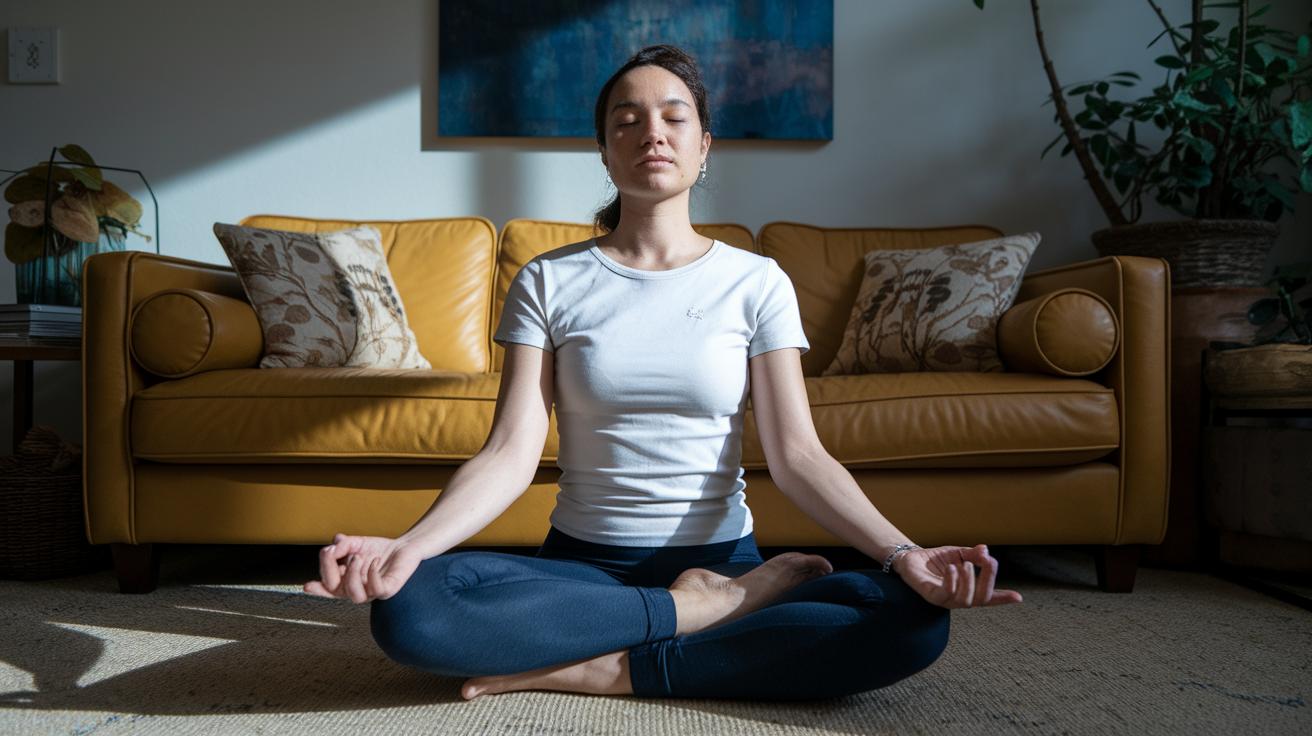
Mindfulness is about keeping your full focus on what you're doing, whether you're eating, walking, or driving, so you're not lost in your thoughts on autopilot. It means noticing your thoughts, feelings, and even body sensations without judging them. This simple choice to be present helps you leave worries behind and enjoy each moment, which in turn soothes stress and brings more balance to your feelings.
This way of being can even help you sleep better and make smarter choices. When you take a quick pause during your busy day or focus deeply on a routine task, you create a calmer state of mind. Focusing on the present can reduce anxiety and lift your overall mood. Short practices like the 3-Minute Breathing Space or the 5-4-3-2-1 grounding trick quickly reset your body’s stress signals, making them great tools for easing anxiety.
The techniques shared here, like rapid serenity drills, are designed to easily fit into your everyday routine. They offer you a handy set of mindfulness strategies that can brighten your day while keeping stress at bay.
Practical Meditation Methods for Calm with Mindfulness Strategies

Sometimes a few quiet minutes can really help you feel more relaxed during a busy day. Even a short session of meditation can slow your heart, lower your blood pressure, and help you leave stress behind for a moment. These simple techniques give you a break when you need it most, and they easily fit into your daily routine.
-
Focused Breath Counting
- Sit up straight and gently close your eyes.
- Breathe in slowly, counting to four, then breathe out for the same count.
- When your attention drifts, simply return to counting.
-
Body Scan Meditation
- Find a comfortable place to sit or lie down in a quiet space.
- Slowly move your focus from your head down to your toes, noticing any sensations as you go.
- Let each exhale help you release any tension you feel.
-
3-Minute Breathing Space
- Pause your activities and take a seat in a calm spot.
- Notice your thoughts, feelings, and body sensations without judging them.
- Breathe steadily for three minutes, allowing your mind to settle into a peaceful state.
Awareness Exercises for Instant Stress Relief through Mindfulness Strategies
Ever feel overwhelmed by a jumble of thoughts? Sensory anchoring exercises help by bringing your focus back to the here and now. They gently remind you to notice what you see, hear, and feel, turning stress into a moment of calm. For more ideas on easing anxiety, check out grounding techniques for anxiety.
- 5-4-3-2-1 Technique: Look around and name five things you see, four things you can touch, three sounds you hear, two distinct smells, and one taste you notice. It’s a simple way to re-center your focus.
- Sound Tracking: Take a moment to listen. Identify a few unique sounds nearby, like the hum of a machine or birds chirping, to guide your attention back to the present.
- Anchoring Phrase: Choose a short, reassuring mantra. Repeat it to yourself to gently quiet stressful thoughts.
- Leaf Observation: Grab a leaf and spend a few minutes exploring its details, the soft textures and changing colors can really help ground your awareness.
- Quick Breath Shift: Close your eyes, and slowly count each breath as you inhale and exhale. This mindful pacing can help bring calm in a matter of moments.
These exercises are quick fixes to cut through tension, easily fitting into any part of your day whether you’re at home, at work, or on the move.
Integrating Mindful Practice Techniques into Daily Routines with Mindfulness Strategies

Making everyday tasks moments for calm and clear thinking can truly change your day. When you focus on the present, you break free from old habits and ease that heavy feeling of mental overload. Try taking a short mindful pause between meetings or chores, it can clear your head and lift your spirits, making your routine feel lighter and more rewarding.
Mindful Eating
Turn your next meal into an experience that engages all your senses.
- Notice the bright colors and textures of your food before you take a bite.
- Listen for the crunch of fresh veggies or the gentle sizzle on the stove.
- Savor each taste and aroma, letting the care in your cooking fill you with joy.
Single-Tasking Practice
Focus on one thing at a time to help ease your mind and notice small boosts in your mood.
- Pick one activity and set your mind to it without distractions.
- If your thoughts wander, gently guide them back to your chosen task.
- Enjoy the process itself instead of rushing through many tasks at once.
Taking a mindful pause for even one to five minutes after meetings or before starting something new can help you regain focus, lower stress, and keep positive energy flowing throughout your day.
Beginner-Focused Coping Techniques for Anxiety using Mindfulness Strategies

Begin by choosing a quiet and secure spot where you feel at ease. Many people starting out find that distractions and uncomfortable places can make it hard to focus. Set up a little area with a soft cushion or comfy chair, good lighting, and a sense of privacy. Even a small corner in your room can feel like a safe retreat if you turn down background noise or lower the lights. This calm environment helps you settle in and keeps interruptions to a minimum.
When your mind wanders or anxious thoughts pop up, try using guiding tools. Beginners often struggle to maintain focus when worry creeps in. Listening to short guided podcasts or watching brief meditation videos can be a big help. Think of it like having a friendly voice remind you to come back to your breathing when your thoughts drift. These tools can feel like little supports along your journey.
Ease into your practice by gradually adding just a minute or two more each day. It can be discouraging if progress seems slow, but every extra minute of calm is a win. Take each tiny step as a victory over anxiety. Adjust your session length based on how relaxed you feel, and remember that it’s perfectly okay to go back to shorter sessions if needed.
Scientific Benefits of Mindfulness Strategies for Well-Being

Regular mindfulness practice has been shown to ease stress and help balance our feelings. Studies tell us that when you practice mindfulness, your body makes fewer stress hormones, which leaves you feeling calmer. Many people even find that it helps them fall asleep faster and enjoy a more restful night.
Research on conditions like ADHD shows that mindfulness can boost focus and reduce impulsiveness. Brain scans back this up by revealing that mindfulness strengthens brain areas involved in decision-making and self-control, proving its wide-ranging benefits.
Stress and Hormone Regulation
Mindfulness can really help lower stress markers and balance your hormones. When you take a moment to be mindful, your body often produces fewer stress hormones, leading to a calmer state overall. This calming effect is linked to improvements in both emotional and physical health.
Cognitive and Sleep Improvements
Other studies find that mindfulness lifts our thinking skills by engaging the part of the brain responsible for clear thought and self-control. It also helps many people fall asleep faster and sleep more soundly. In truth, practicing mindfulness is a simple and effective way to boost your overall well-being.
Designing a Personalized Plan for Mindfulness Strategies

Creating a routine that fits you can turn even the busiest days into moments of calm and clarity. There’s no one-size-fits-all approach here. When you pick mindfulness techniques that feel right for you, you’re building a self-care practice that helps bring balance to your life.
Start by figuring out what you want to achieve. Do you want to ease stress, sharpen your focus, or simply set aside a quiet moment for yourself? Choose simple exercises like counting your breaths, jotting down thoughts in a journal, or moving gently. Even short sessions, done regularly, can help boost your energy and build resilience. You could also blend these practices with other healthy habits, like keeping a steady sleep schedule or practicing mindful eating. Using a journal or app to track your progress can show you what’s working, and checking in every couple of weeks lets you fine-tune your routine as needed.
Remember, your mindfulness routine should grow along with you. Try out new exercises and mix different methods until you find that perfect blend that brightens your day. A personal plan isn’t set in stone, it changes as you do, adapting to new challenges and needs. This flexible approach helps you stay committed to self-care and supports your ongoing journey toward balance and well-being.
Final Words
In the action, the post explored practical mindfulness strategies to reduce stress. It covered everyday meditation methods, awareness exercises for instant relief, and ways to embed mindful practices into daily routines. The steps for beginners and the science behind these techniques made the advice both friendly and reliable.
By using mindfulness strategies, our overall well-being can improve, leading to clearer thinking, better sleep, and a calmer mind. Embrace these tips with optimism and start making small, positive changes today.
FAQ
What does a mindfulness exercises PDF offer?
The mindfulness exercises PDF offers guided instructions for practicing meditation, deep breathing, and sensory awareness. It provides a structured format to help reduce stress and promote a calm state of mind.
How do mindfulness exercises for adults work?
The mindfulness exercises for adults teach you how to focus on the present moment using simple breathing techniques and body scans. They help ease stress and enhance emotional balance.
What benefits come from mindfulness activities for students?
The mindfulness activities for students guide you in boosting focus and calming nerves. They include short meditations and sensory exercises that ease academic pressure and improve concentration.
How does a mindfulness exercises for groups PDF help?
The mindfulness exercises for groups PDF outlines group-friendly practices like shared meditations and interactive activities. It supports creating a collective calm and enhancing group well-being.
What is mindfulness meditation?
The mindfulness meditation practice involves focusing on the present moment with nonjudgmental awareness. It helps relax your mind, reduce stress, and improve overall mental clarity.
How do mindfulness exercises for anxiety work?
The mindfulness exercises for anxiety guide you to ground your thoughts with deep breathing and body awareness techniques. These practices help soothe worry and provide quick stress relief.
What does a 2-minute mindfulness exercise PDF provide?
The 2-minute mindfulness exercise PDF offers fast, simple practices that reset your mind in just two minutes. It’s a handy tool for reducing stress during busy moments.
What do mindfulness practices include?
The mindfulness practices include guided meditation, deep breathing, and body awareness exercises. They help you stay present, lower stress levels, and boost mental clarity throughout your day.
What are five ways I can practice mindfulness?
Five ways to practice mindfulness include mindful breathing, body scanning, mindful walking, sensory grounding, and journaling. Each method builds awareness and reduces stress during daily tasks.
What are the 5 R’s of mindfulness?
The 5 R’s of mindfulness are a framework that typically includes Recognize, Release, Reflect, Respond, and Rebalance. They guide you to notice feelings and manage stress thoughtfully.
What are the 5 C’s of mindfulness?
The 5 C’s of mindfulness involve qualities like calmness, clarity, curiosity, compassion, and centeredness. They help you build a balanced and aware mindset for everyday life.
What are the 3 C’s of mindfulness?
The 3 C’s of mindfulness refer to achieving Calm, Clarity, and Concentration. These three components help maintain focus, ease stress, and foster a state of mindful awareness.