
Have you ever wondered if nature could help ease feelings of sadness and worry? More and more people are turning to natural methods as a way to feel better along with traditional treatments.
Simple changes, like taking a daily walk, choosing healthier meals, or practicing mindfulness, can brighten your mood. Research shows that even these small adjustments can make a real difference.
In this article, we explore easy, natural ways to care for both your body and your mind, inviting you to try a balanced path toward feeling better.
Holistic Overview of Natural Remedies for Depression and Anxiety
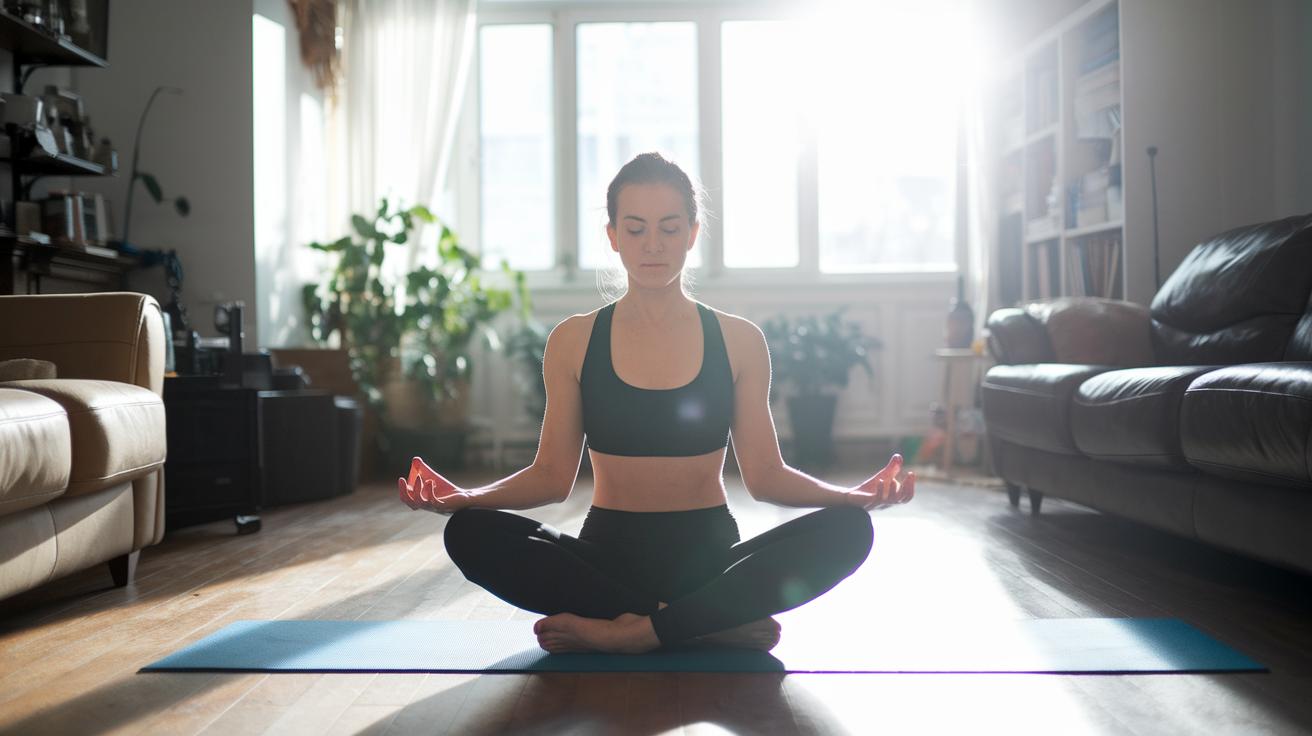
A lot of people are looking for ways to ease depression and anxiety without relying solely on drugs. Research shows that simple lifestyle changes can really help when used along with medications and therapy. For example, studies from 2024 tell us that regular exercise helps release feel-good endorphins and can even lower blood pressure, giving your mood a natural boost.
More people are exploring natural remedies because there’s growing scientific support for these methods. Simple practices like mindfulness or making small changes in your diet can help you feel healthier both in body and mind. It all comes down to looking after the whole you, with each change playing a part in keeping you balanced and calm.
Here are some natural approaches that many find helpful:
- Physical activity: Regular exercise that releases mood-enhancing endorphins.
- Dietary modifications: Adjusting what you eat to keep inflammation down and boost brain health.
- Herbal and essential-oil interventions: Using natural extracts like lavender, eucalyptus, or peppermint to help promote a sense of calm.
- Mindfulness practices: Staying in the moment to ease racing thoughts.
- Yoga: Combining smooth movements with deep breathing to support overall well-being.
- Acupuncture: Using fine needles at key points to help balance your body’s energy.
Mixing these natural strategies with professional care is really important. Having a blend of natural and traditional treatments can help manage depression and anxiety well while keeping everything safe. It’s always a smart idea to chat with a healthcare provider who gets both natural options and regular treatments so you can choose what works best for you.
Herbal Remedies and Supplements for Mood Support
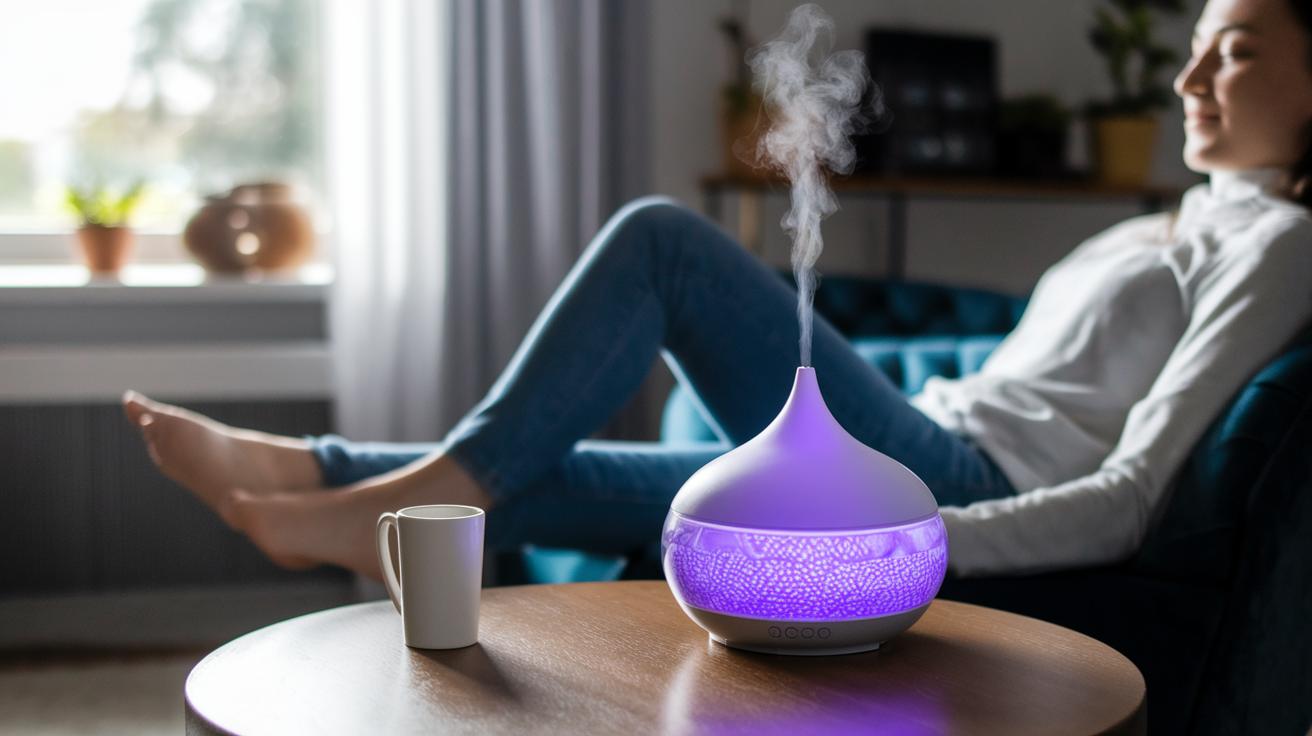
Herbal supplements are a popular, natural way to help lift your mood. Many people trust these plant-based options because both old remedies and new research show they can help you feel calmer. For instance, you might start with just a few drops in your diffuser to feel their gentle, soothing effects. Remedies like lavender oil and ashwagandha have been looked at for easing anxiety and balancing emotions, making them a favorite for anyone looking to improve their overall well-being.
| Herb | Benefit | Typical Dosage | Precautions |
|---|---|---|---|
| Lavender Essential Oil | Helps you relax and ease anxiety | 1-2 drops diluted or in a diffuser | Always use diluted; may irritate sensitive skin |
| Ashwagandha | Supports stress response and keeps mood steady | 300-500 mg twice daily (powder extract) | May interact with sedatives |
| St John’s Wort | Helps with mild-to-moderate depression | 300 mg three times daily | Interacts with many medications |
| Chamomile Tea | Relieves tension by working on calming brain receptors | 1-2 cups per day | May cause drowsiness |
| Valerian Root | Acts as a light sedative and supports sleep | 400-900 mg before bedtime | Use cautiously with other sedatives |
Before you add any herbal supplement to your daily routine, it’s a good idea to chat with a healthcare provider. While natural remedies can give hope and a sense of calm, speaking with a professional helps make sure they fit well with your health needs, current medications, and any other treatments you might be using. This extra step makes it safer and more effective to use these natural options on your journey to feeling better.
Lifestyle and Dietary Strategies for Natural Mood Enhancement

Food really affects how you feel. What you eat can lift your mood and boost your energy. For example, choosing fresh, whole foods can lower inflammation in your body and help calm your mind. Try including foods like salmon or tuna, which are full of omega-3 acids that help your brain work better. And a little yogurt or kefir goes a long way for a healthy gut, which can lead to better mental health.
Here are some simple tips that might help:
| Tip | Benefit |
|---|---|
| Eat an Anti-inflammatory Diet | Focus on fruits, vegetables, and healthy fats to ease inflammation. |
| Add Omega-3 Rich Foods | Fish like salmon and tuna support your brain’s health. |
| Enjoy Probiotics | Foods like yogurt and kefir boost the good bacteria in your gut. |
| Stay Active | Walking or light jogging releases endorphins to help reduce stress. |
| Keep a Regular Sleep Schedule | A steady bedtime routine can improve how well you sleep. |
| Spend Time Outdoors | Natural sunlight can brighten your mood. |
| Eat Balanced Meals | A mix of whole grains and lean proteins gives you steady energy. |
Try keeping a simple journal to track changes in your mood and energy as you adjust your routine. Small steps over time can build a more uplifting, balanced lifestyle.
Mind-Body Techniques: Meditation, Yoga, and Breathing for Anxiety Relief
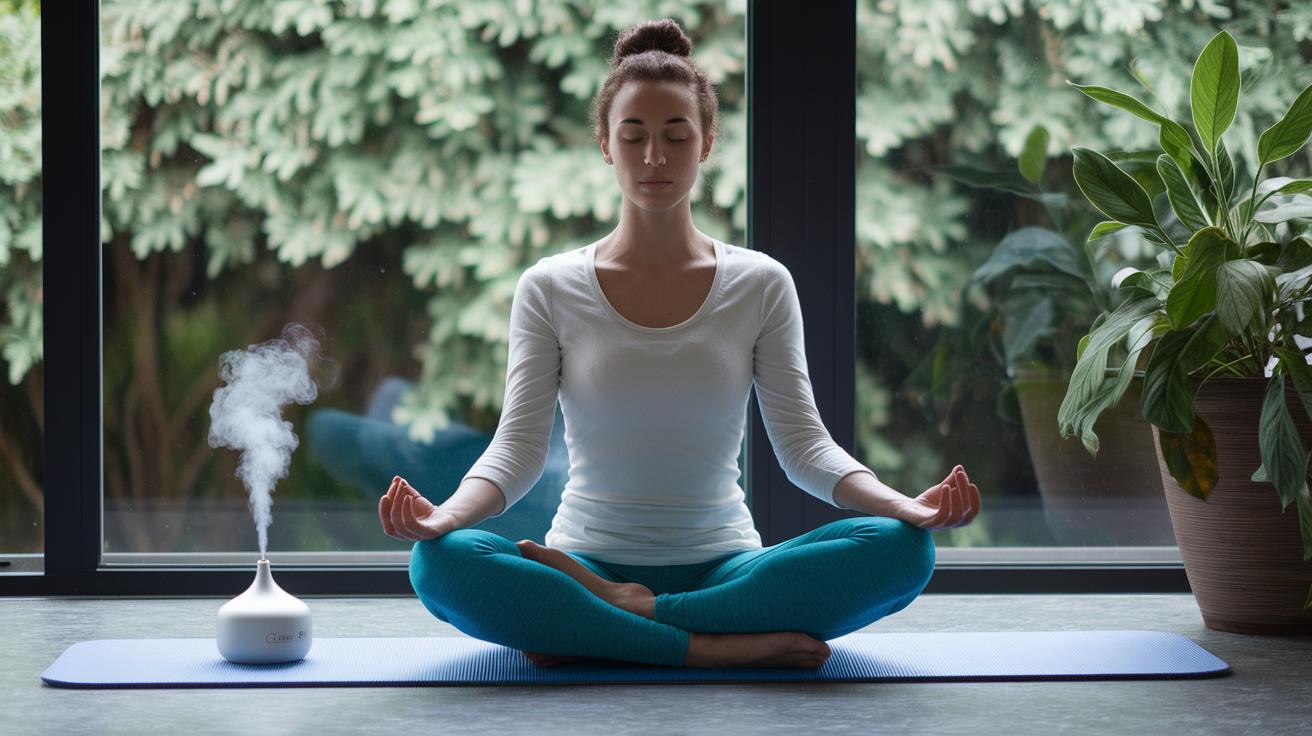
Using mind-body techniques is a gentle way to quiet your thoughts and lift your mood naturally. These simple exercises help you stay in the moment, easing anxiety while brightening your spirit.
Mindfulness Meditation
Start by settling in a quiet, comfortable space. Sit in a relaxed position and let your focus rest on your breathing. Research shows that when you concentrate on your breath, it can help ease feelings of depression and bring calmness to your emotions. Picture yourself quietly watching each breath, much like observing leaves drift along a gentle stream.
Yoga for Mood Regulation
Consider adding a few yoga poses to your routine that blend gentle movement with deep breathing. Poses like the child’s pose or seated forward fold invite relaxation by engaging both your body and breath. This slow, mindful process can help lower your blood pressure and calm a racing mind, similar to the soothing stretch you feel after a refreshing walk.
Breathing Exercises
Try these three easy breathing techniques to help reduce anxiety:
- Box breathing: Breathe in for 4 seconds, hold for 4, exhale for 4, then hold for another 4 seconds.
- 4-7-8 breathing: Inhale for 4 seconds, hold for 7 seconds, and exhale slowly for 8 seconds.
- Alternate nostril breathing: Close one nostril, breathe in through the other for 4 seconds, switch, and breathe out for 4 seconds.
Each of these methods is designed to calm your nervous system and bring a gentle, focused sense of relaxation to your day.
Complementary Therapies: Acupuncture and Aromatherapy in Depression and Anxiety Management

Both acupuncture and aromatherapy help your mind and body feel calmer. They ease signs of depression and anxiety by boosting your body's natural balance and encouraging relaxation. These gentle treatments work on relieving stress and tight emotions. Often, they are used with regular medical care to improve overall wellness in a natural way.
Acupuncture Basics
Acupuncture uses very thin, clean needles that are placed in special spots on your body. A session can last between 30 and 60 minutes, and you might need several visits over a few weeks. Think of it like untangling a knot so energy can flow freely. Practitioners always use single-use needles to make sure the experience is safe and controlled.
Aromatherapy Applications
Aromatherapy uses essential oils such as lavender, eucalyptus, and peppermint to lower stress and bring on relaxation. These oils are usually used in diffusers or applied on the skin when mixed with a carrier like water or another oil. Just a few drops can spread a soothing scent around you. It’s a simple way to introduce a calming atmosphere into your everyday routine, working well with other treatments.
Final Words
In the action, we explored natural remedies for depression and anxiety, looking at herbal treatments, diet and lifestyle tips, mindful practices, and therapies like acupuncture and aromatherapy. Each section showcased safe, research-backed approaches to support your mood.
We shared clear steps and examples to help you work with trusted options and modern research. Remember, combining these ideas with professional advice can bring steady progress. Stay positive and keep exploring what naturally uplifts your well-being.
FAQ
What is the best natural antidepressant and remedy for anxiety and depression?
The best natural approach combines regular exercise, a balanced diet, calming herbal supplements, and mindful practices. These choices help release endorphins and support mood stability alongside professional advice.
Which vitamin is a natural antidepressant?
The vitamin often considered for mood support is vitamin D. It plays a role in brain function and mood regulation, making it beneficial when paired with a healthy lifestyle.