
Ever wonder if there's a way to ease pain without harsh drugs? Lots of people are trying out simpler, natural methods to soothe their aches. When a sharp pain hits, sometimes a cool cloth or a few slow, deep breaths is all you need to calm it down. In this article, you'll see how gentle, natural remedies work with your body to ease pain and bring things back into balance. By using these natural techniques, you're taking control of your own lasting, soothing relief.
Natural Pain Relief Methods That Work Without Drugs
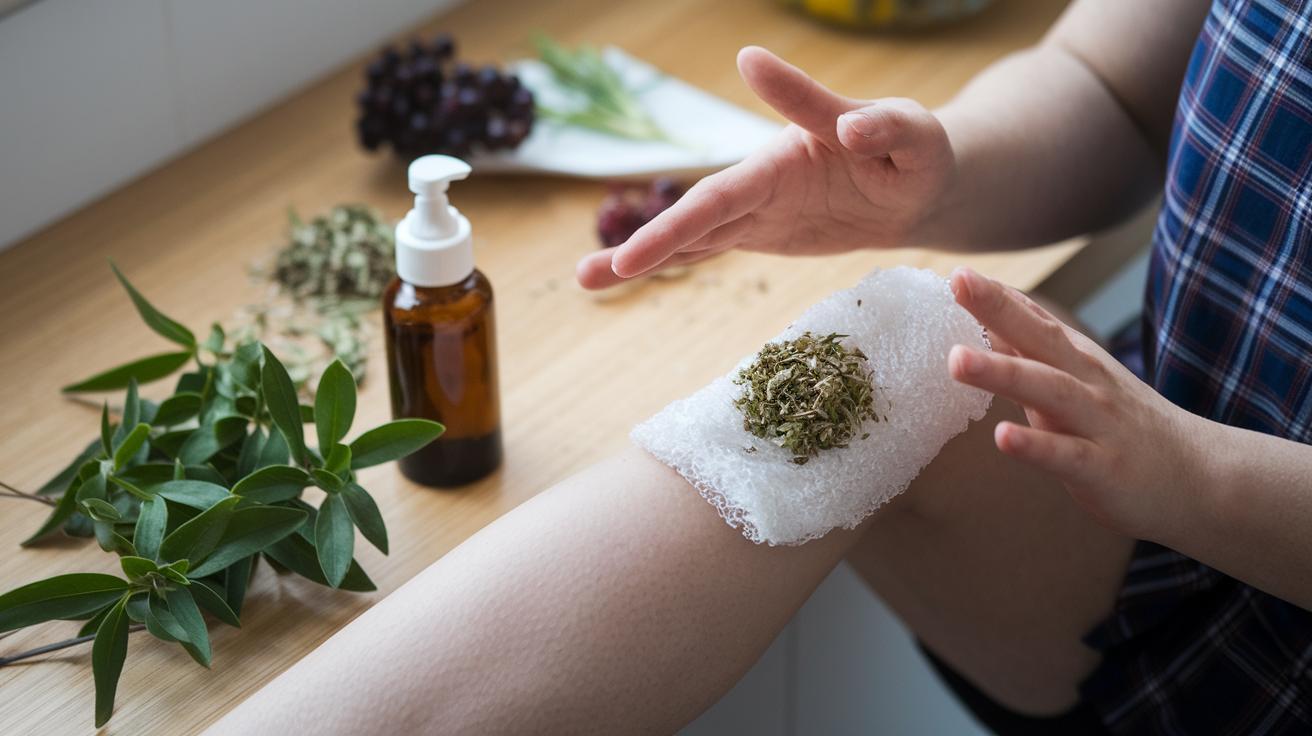
Many folks search for ways to ease pain without turning to drugs. Often, standard pain treatments bring along extra side effects or seem overwhelming. Natural methods let you manage discomfort right at home. Think about grabbing an ice pack or taking a minute to breathe deeply when pain hits, you’re in charge of your relief.
Some people choose these gentle approaches to support their overall well-being. They try methods that calm sore muscles, lower swelling, and reduce tension without needing pills or injections. This way, you work with your body’s natural ability to heal while easing the pain naturally.
Here are some examples:
- Heat therapy
- Cold therapy
- Low-impact exercise
- Stretching routines
- Guided imagery
- Breathwork
Mixing these techniques can help build a balanced plan that tackles pain now and offers long-term comfort. For example, alternating between warm compresses and cold packs can lessen swelling and relax tight muscles during flare-ups. Meanwhile, low-impact activities like a gentle walk or a yoga session keep your joints moving smoothly. Stretching can release muscle tension, and guided imagery, like picturing a calm beach, shifts your mind away from the discomfort. Deep, rhythmic breathing even sparks your body’s natural relaxation response. Together, these strategies create a personalized toolkit to help you manage pain both immediately and over time.
Herbal Pain Relief Solutions for Joint and Muscle Discomfort
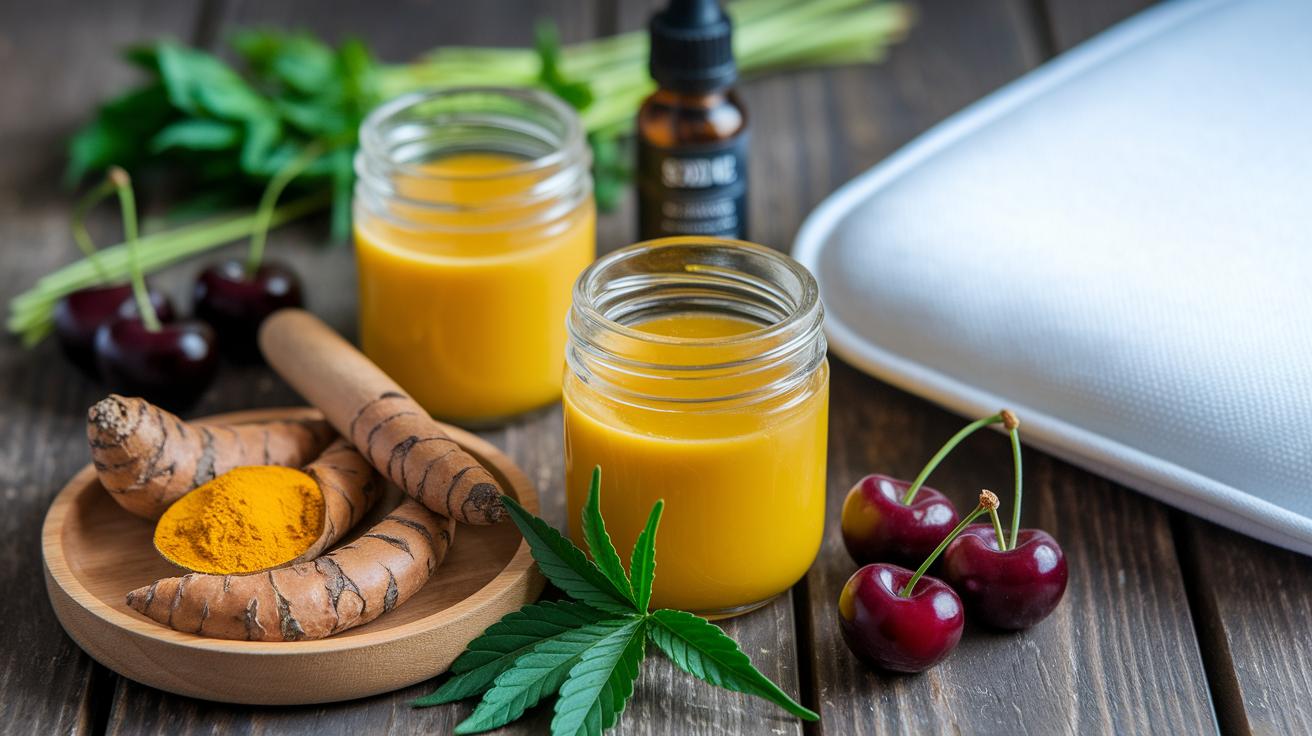
Herbal remedies are a natural, gentle way to ease aches and pains. Many people choose these plant-based treatments because they help lower swelling and calm discomfort without harsh side effects. They’ve been used for a long time, offering both quick relief and lasting comfort.
Turmeric is famous for cutting down inflammation. When you mix it with healthy fats and a pinch of black pepper, it works even better to ease joint pain and stiffness, plus, it adds a cozy, spicy touch to your routine.
A small glass of cherry juice each day might help soothe joint pain, though it may not be right for everyone, especially if you’re watching your sugar.
Fish oil, which is full of omega-3 fatty acids, works to reduce swelling and soothe tender joints. It helps your body move more smoothly, so you can enjoy more comfortable days.
Boswellia, also known as Indian frankincense, is another go-to for easing joint inflammation and pain. Its natural properties can help you move freely and feel better over time.
CBD oil works with your body’s natural system to help balance out pain signals. Many users find it gently reduces discomfort, which may lead to better sleep and a brighter mood.
Before trying any herbal remedy, make sure to chat with a healthcare professional. Each supplement can interact differently with your medications or health needs, so it’s important to get good advice and listen to what your body tells you.
Topical and Thermal Natural Remedies for Pain Relief

Natural creams with ingredients like capsaicin or arnica work by going straight to the sore spot. They help lower mild inflammation and dull pain signals. For example, you might gently massage a little cream into a stiff shoulder to ease tension and boost blood flow.
Ice packs and warm compresses can also help if used correctly. Try wrapping an ice pack in a soft cloth and holding it against the affected area for about 10 to 15 minutes. This cool treatment tightens blood vessels and reduces swelling. On the other hand, a warm towel or a heated gel pack can relax stiff muscles by opening up blood vessels and improving circulation.
It’s smart to alternate these treatments, but always give your skin a break between sessions to avoid irritation or burns. Also, never use extreme temperatures on your skin for too long.
Different spots on your body might need a unique approach. For instance, a sore lower back might feel better with a warm compress to help your muscles relax, while a joint flare-up might respond best to a cool pack to calm inflammation. Adjusting the temperature and how long you use each treatment can create a simple, personalized way to relieve pain.
Dietary Strategies to Ease Pain and Inflammation Naturally

Eating right can help ease pain and reduce swelling. When you pack your plate with fruits, veggies, and whole grains, you might notice a difference in how you feel. Fresh foods give your body the vitamins and minerals it needs to fight off swelling, while too much sugar and processed snacks may add to unwanted reactions.
| Food | Key Benefit | Serving Size | Recommended Frequency |
|---|---|---|---|
| Salmon | Loaded with omega-3 fatty acids that help ease joint swelling | 3-4 ounces | 2-3 times a week |
| Blueberries | Packed with antioxidants to fight inflammation | 1 cup | Daily |
| Spinach | Full of nutrients that help reduce inflammation naturally | 1 cup | Daily |
| Yogurt | Offers probiotics to keep your gut healthy | 1 cup | Daily |
Mix these foods into your meals throughout the week. Imagine pairing a piece of salmon with a bowl of spinach salad and a side of blueberries, a tasty way to keep things interesting and balanced. Adding a daily serving of yogurt might also help ease any tummy troubles linked to inflammation. Feel free to adjust the serving sizes to suit your appetite and health goals, making sure every meal gives you a little boost toward feeling better.
Lifestyle and Mind-Body Practices for Pain Control

Easy exercises like gentle yoga and a brisk walk help keep your joints flexible and kickstart your body’s natural pain relievers. Simple stretching routines, like a quick set of arm and leg stretches after a calm walk, can ease muscle tension and stiffness without putting extra strain on your body.
Mind-body techniques such as guided imagery and deep belly breathing work by soothing your nervous system. Picture the soft ripple of water on a quiet lake while you breathe deeply. This calming image and mindful breathing help reduce the signals that cause discomfort. Research even shows that focusing on your breath can trigger a relaxed state, making pain feel less intense.
Mixing these practices into your daily routine can be a solid plan for managing pain. Start with some light exercise and then spend a few minutes on guided imagery or deep breathing during your breaks. One person said that combining a morning stretch with a moment of mindful breathing has really helped keep pain at bay throughout the day.
Assessing Safety and Potential Risks of Natural Remedies for Pain

When you try natural methods for pain relief, it's important to know that dietary supplements don’t get checked by the FDA as closely as medicines do. This means the strength and purity of these products can change a lot. Some herbs might help, but if you use them too much, you could end up with a stomach ache or even an allergic reaction. For example, while cherry juice extract may ease pain, its high sugar content could be a problem for someone with diabetes. The mix of ingredients might differ from one bottle to the next, which can make how they work hard to predict.
Mixing herbal remedies with your regular prescription drugs might also create unwanted problems. Some natural treatments might confuse your body’s process of handling medicines, which might make your prescribed drugs work less well or cause side effects you didn’t expect. So before you start using any new natural remedy, it’s a smart idea to talk to a healthcare professional. They can help you figure out potential risks and guide you on the right amounts and safe ways to try drug-free pain relief.
Final Words
In the action, the article showcased a variety of non-drug methods that ease discomfort, from heat and cold therapies to herbal supplements, topical creams, dietary tweaks, and mind-body practices. Each section offered simple ways to reduce pain and support long-term well-being.
Combining these approaches can build a comprehensive plan that suits individual needs. Trust expert-backed advice and safe techniques while exploring natural remedies for pain to make everyday living a bit more comfortable and uplifting.
FAQ
How can I manage or relieve pain without medicine?
Managing pain naturally involves using methods like heat or cold therapy, low-impact exercise, stretching routines, and relaxation practices such as guided imagery and breathwork to ease discomfort and boost overall comfort.
What is the strongest natural pain reliever or painkiller?
The strongest natural pain reliever may vary by person; options like capsaicin creams, turmeric based supplements, or CBD oil can deliver potent relief when used correctly and consistently.
What are some effective natural remedies for back pain and inflammation?
Natural back pain relief focuses on applying cold or warm compresses, combining gentle stretching and low-impact exercise to ease inflammation and soothe sore muscles without medication.
What is the best herb for pain relief and which natural pain relief supplements work well?
The best herb often mentioned is turmeric, known for its anti-inflammatory properties, while supplements like omega-3s, CBD oil, and boswellia support pain relief when integrated into a healthy wellness routine.
What are proven natural home remedies for nerve pain and overall body pain?
Effective full-body and nerve pain solutions include alternating heat and cold treatments, topical creams, and complementary practices such as guided imagery and breathwork to help reduce pain sensations naturally.