
Ever wonder if a small change could help you breathe a bit easier? Natural supplements might give your lungs a boost by helping to clear away mucus and calm your airways. In this post, we look at favorites like N-acetylcysteine (a helper that thins mucus), Vitamin D3 (which supports healthy bones and our immune system), and ginger (a natural anti-inflammatory). We'll share simple tips on how to use these supplements and remind you to listen to your healthcare provider's advice. Let nature be your partner in enjoying smoother breathing.
Top Plant-Based and Herbal Supplements for Lung Function

This section offers simple, friendly tips on natural supplements that may help support smooth breathing. Every option works in its own way, so choose one that fits your needs and always follow the directions on the label or advice from your doctor.
- N-acetylcysteine (NAC) supports your body with antioxidant help and helps clear mucus. The dose can vary, so check your label or ask a healthcare professional.
- Vitamin D3 helps with keeping your immune system balanced. A typical amount is about 1,000 to 2,000 IU each day.
- Turmeric (curcumin) works to reduce inflammation. Taking small doses with black pepper might help your body absorb it better.
- Quercetin acts like a natural antihistamine and antioxidant. Many studies use between 500 and 1,000 mg.
- Ginger can help open up your airways. Starting with a cup of ginger tea or a supplement around 500 mg could be a good idea.
- Licorice root may soothe your airways naturally. Typical daily amounts range from 200 to 400 mg.
- Astragalus supports your immune function with doses often between 500 and 1,000 mg.
- Ginseng is noted for its overall support of respiratory health, with common daily doses around 200 to 400 mg.
For more details on vitamins and minerals, check out our vitamins and minerals section. And remember, always talk with a healthcare professional before adding any new supplement to your routine.
Vitamin and Mineral Support to Bolster Lung Health
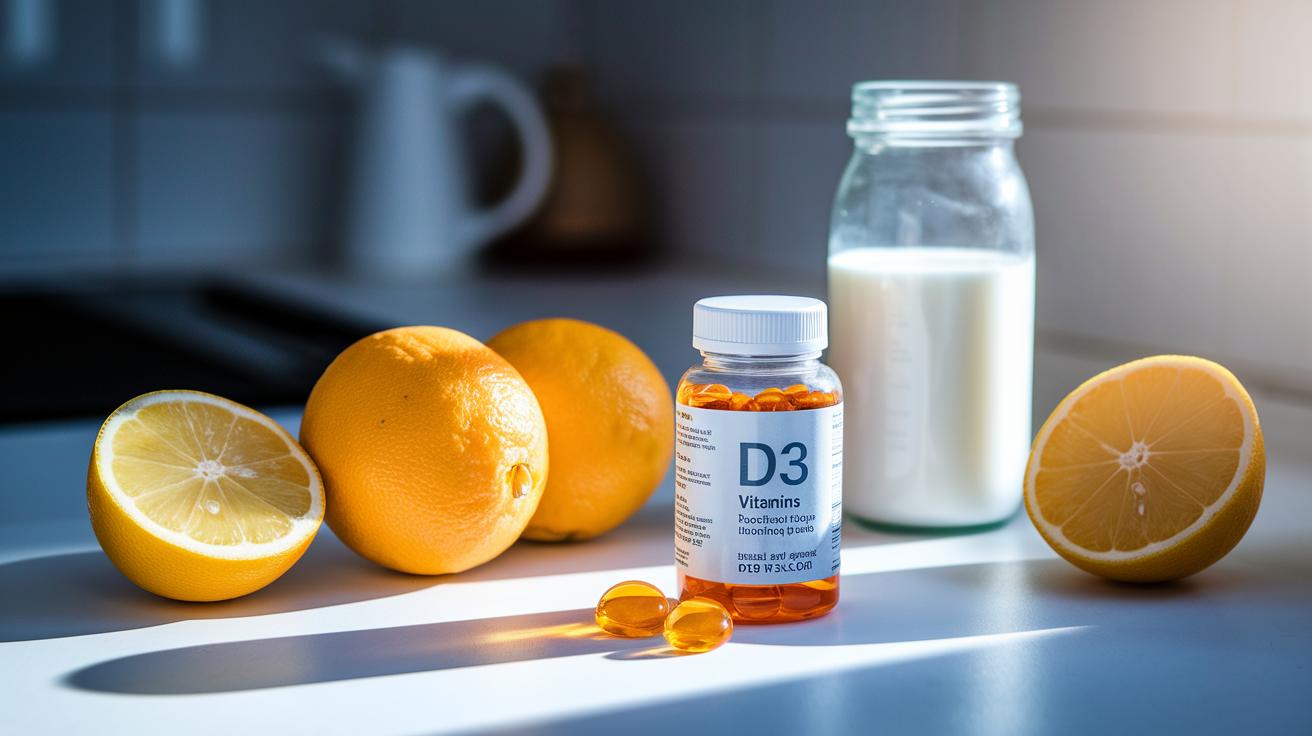
Vitamin D3 is great for keeping your lung muscles in shape and helping your immune system work better. Most folks take about 1,000–2,000 IU a day. You can get it from foods like fortified milk and fatty fish. Taking it with your breakfast not only helps your body absorb it but also can ease inflammation. Just keep in mind it might interact with some cholesterol medications.
Vitamin C is another key player for calmer lungs and a stronger immune defense. A usual dose is 500–1,000 mg per day. Citrus fruits, berries, and red bell peppers are tasty ways to get this vitamin. It works best when eaten with food, and its antioxidant power helps repair lung tissues.
Zinc plays its part by supporting the muscles around your airways and guarding against infections. Experts often recommend 15–30 mg each day. You can naturally boost your zinc intake with oysters, lean meats, beans, and nuts. Having zinc with meals can help avoid stomach discomfort, although certain antibiotics might reduce how well you absorb it.
Magnesium helps your lung muscles relax, too. A daily dose of 200–400 mg, which you can find in leafy greens, nuts, and whole grains, contributes to steady breathing. Many people prefer taking it in the evening to encourage relaxation. For more details on the essential vitamins and minerals that support lung health, check out the related guidelines.
Remember to keep an eye on your intake and chat with a healthcare professional if you need to adjust your dosages.
Integrating Lung Health Supplements into Daily Wellness

Starting your day with lung health supplements can really boost your overall wellness. When you take them with breakfast or during your morning routine, you naturally build a habit that cares for your lungs. This simple routine not only helps you remember each dose but also gives you a daily boost for clearer breathing and more energy.
Mixing your supplements with plenty of water and healthy meals can make them work even better. Maybe try a lung detox drink after your supplements, such as a warm cup of turmeric-ginger tea or a zesty citrus smoothie. These drinks refresh your body and help keep your airways clear, especially when paired with a nutrient-rich diet to support you during busy or stressful days.
Keeping track of your progress is very helpful. You might jot things down in a simple journal or use an app to record how you're feeling and any changes in your breathing. This way, you can see what works best for you and adjust your routine accordingly. For more helpful tips, check out the holistic guide to wellness.
Safety and Expert Advice for Natural Lung Enhancers

When you try natural ways to help your lungs, it's important to check the risks first. Some ingredients, like high amounts of NAC, might upset your stomach, and taking too much vitamin D (more than 4,000 IU) can be harmful. Even common herbs can interfere with medications, so make sure you read labels and follow trusted guidelines. This extra care keeps your lungs safe and sound.
It’s really smart to talk with your doctor before adding new supplements. They might do small lab tests to see how your body reacts. With their help, you can adjust doses and avoid mixes that might not work well with your current medicines. For more ideas on supplement safety, check out natural remedies. Regular check-ins with a professional make sure your approach stays balanced and secure.
Also, be alert for warning signs. If you feel sudden chest pain, have a lot of trouble breathing, or feel sick for a long time, these are signals that you shouldn’t ignore. If any of these happen, get medical help right away. Keeping an eye on how you feel each day can help prevent problems and keep you on track. Always share your concerns with your doctor for advice that fits your needs.
Final Words
In the action, we explored effective plant-based and herbal supplements alongside essential vitamins for solid lung function. The guide offered easy steps to integrate these boosters into daily routines while stressing the need for expert advice. Safety came through with clear reminders to consult healthcare professionals. This balanced approach empowers you to make informed choices using natural supplements for lung health. Keep your wellness routine bright and proactive as you move toward a healthier you.
FAQ
What are the best supplements for lung health, including for smokers?
The best supplements for lung health include ingredients that work as antioxidants and anti-inflammatory agents. For example, NAC, vitamin D3, turmeric, and quercetin support lung repair and overall respiratory function.
What vitamins support lung repair, reduce scarring, and aid respiratory infection defense?
Vitamins such as D3 and C along with zinc help modulate the immune system and reduce inflammation, thereby supporting lung repair, minimizing scarring, and protecting against respiratory infections.
How do vitamins benefit lung and heart health?
Vitamins benefit both lung and heart health by promoting balanced blood flow and reducing inflammation. They assist in cellular repair with antioxidants and essential minerals that support overall cardiopulmonary strength.
Are there any side effects associated with lung, bronchial, and sinus health supplements?
Some natural lung supplements may cause minor side effects like stomach upset or mild allergic reactions. Starting with lower doses and discussing them with a health professional can help minimize these risks.
Where can I find quality lung health supplements, including those from Walmart?
Quality lung health supplements are available at major retailers such as Walmart, offering plant-based and herbal options. It is wise to review ingredient quality and consult customer feedback before purchase.
How can I improve my lung health naturally?
Improving lung health naturally involves combining plant-based supplements with a balanced diet, regular physical activity, and simple breathing techniques that help keep your airways clear and support overall respiratory wellness.
What is the best natural herb for lung support?
Many natural herbs like licorice root and ginger are valued for their soothing effects and ability to support bronchial health, offering a gentle approach to maintaining clear and comfortable airways.