
This updated pro‑metabolic toolkit collects supplements, foods and practical habits I’ve found helpful to support thyroid function, boost metabolism and address gut, mood and sleep issues. Highlights include fresh unpasteurised orange juice (a few ounces each hour, roughly 1.5 liters/day), mixed vitamin E, experimenting with milk types, pure aspirin powders, and daily gelatinous broths made from oxtail, lamb shank or cow feet enriched with gelatine plus kale‑derived calcium and magnesium. Other staples include Cynomel/Cynoplus where indicated, raw carrot salad with coconut oil, grass‑fed gelatine and collagen, coconut oil, coffee, Progest E‑Complex, D3/K2, high‑dose thiamine, magnesium glycinate and colostrum. Think of this as a toolbox: individualize, prioritize sleep and movement, and consult clinicians before starting hormonal or drug therapies.
Pro‑Metabolic Toolkit: Supplements, Foods & Habits to Improve Thyroid & Metabolism (Updated)
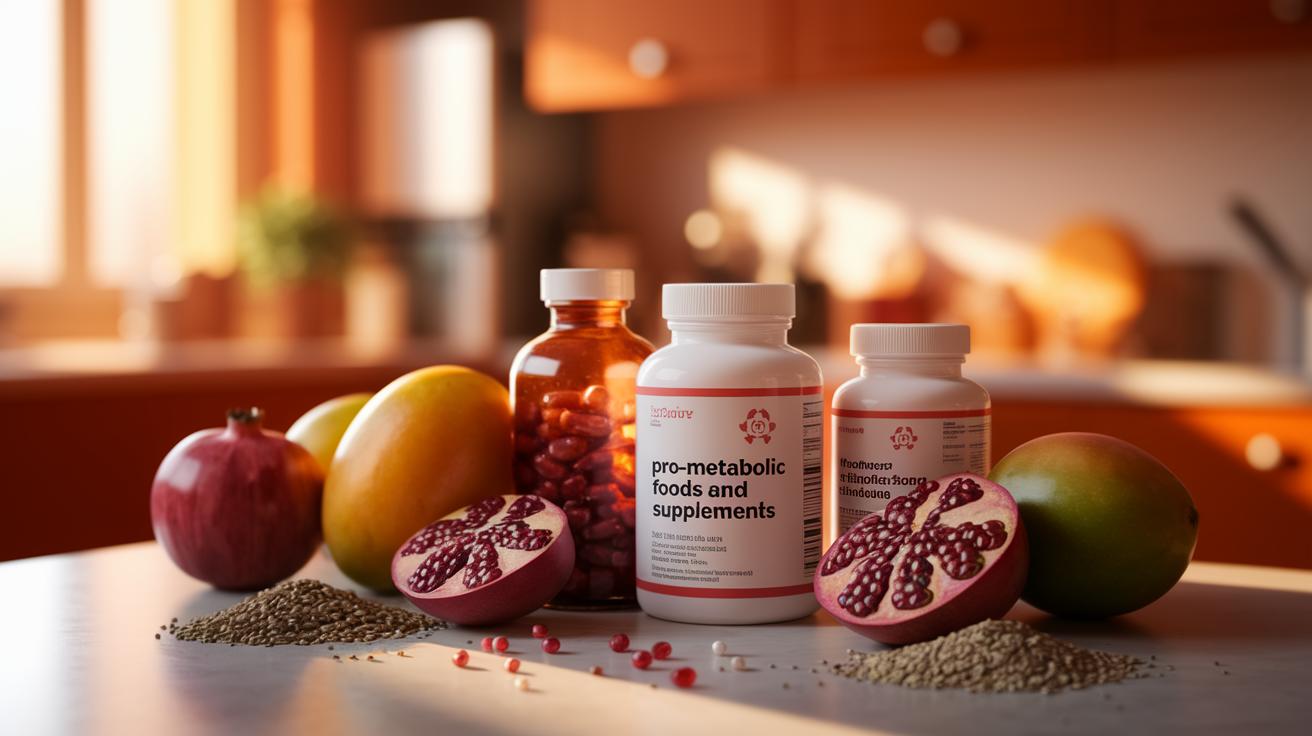
This updated pro‑metabolic toolkit gathers supplements, foods and practical habits that can support thyroid function, increase metabolic rate and help gut, mood and sleep. Key staples called out include fresh unpasteurised orange juice (a few ounces every hour to ~1.5 L/day), vitamin E, experimenting with different milks, pure aspirin powders, and gelatinous broths made from oxtail, lamb shank or cow feet with added gelatine plus kale‑extracted calcium and magnesium taken daily. Also featured: thyroid meds (Cynomel/Cynoplus when appropriate), raw carrot salad with coconut oil and ACV, grass‑fed gelatine/collagen, coconut oil, coffee with honey and milk, Progest E‑Complex, D3/K2, high‑dose thiamine, magnesium glycinate, colostrum, sun exposure, restorative sleep, grounding and meaningful movement. This is a toolbox not a prescription: individualize and consult a clinician before hormone or drug interventions.
Pure aspirin sources: AniPrin, GeriCare and alternatives
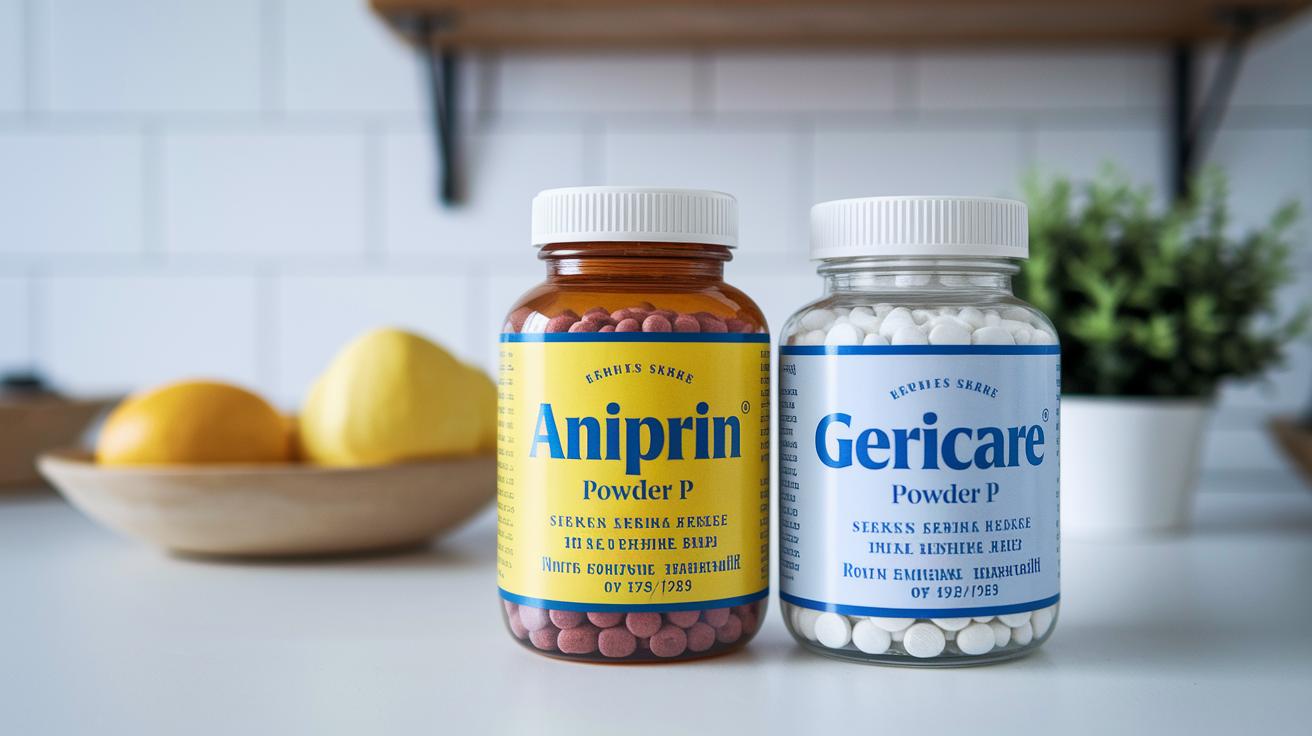
If you want a very pure aspirin powder, the thread recommends AniPrin P , available on Amazon in the US , as a reliable source; GeriCare is suggested as an alternative. The original list also mentions brands like Health Natura and Biomus. Powdered aspirin allows precise dosing and flexibility for protocols, but it comes with risks such as gastric irritation and increased bleeding potential, and it interacts with anticoagulants. Always review ingredient lists to avoid fillers, avoid aspirin in children or those with contraindications, and consult a healthcare professional before adding aspirin so dosing and safety can be managed.
Progest E‑Complex in pregnancy: when it may help

Progest E‑Complex can be used in pregnancy, including the third trimester, under medical supervision. The thread affirms it may benefit women who present with symptoms or histories suggesting low progesterone. Progesterone therapy is sometimes part of care for recurrent bleeding or other pregnancy concerns, but any hormonal intervention during pregnancy must be prescribed and monitored by an obstetric provider. If you and your clinician consider Progest E, bring relevant labs and obstetric history, discuss dosing, side effects and monitoring plans, and avoid self‑prescribing , maternal and fetal safety should guide all decisions.
Vitamin E , 30–50 mg, mixed tocopherols and tocotrienols in EVOO
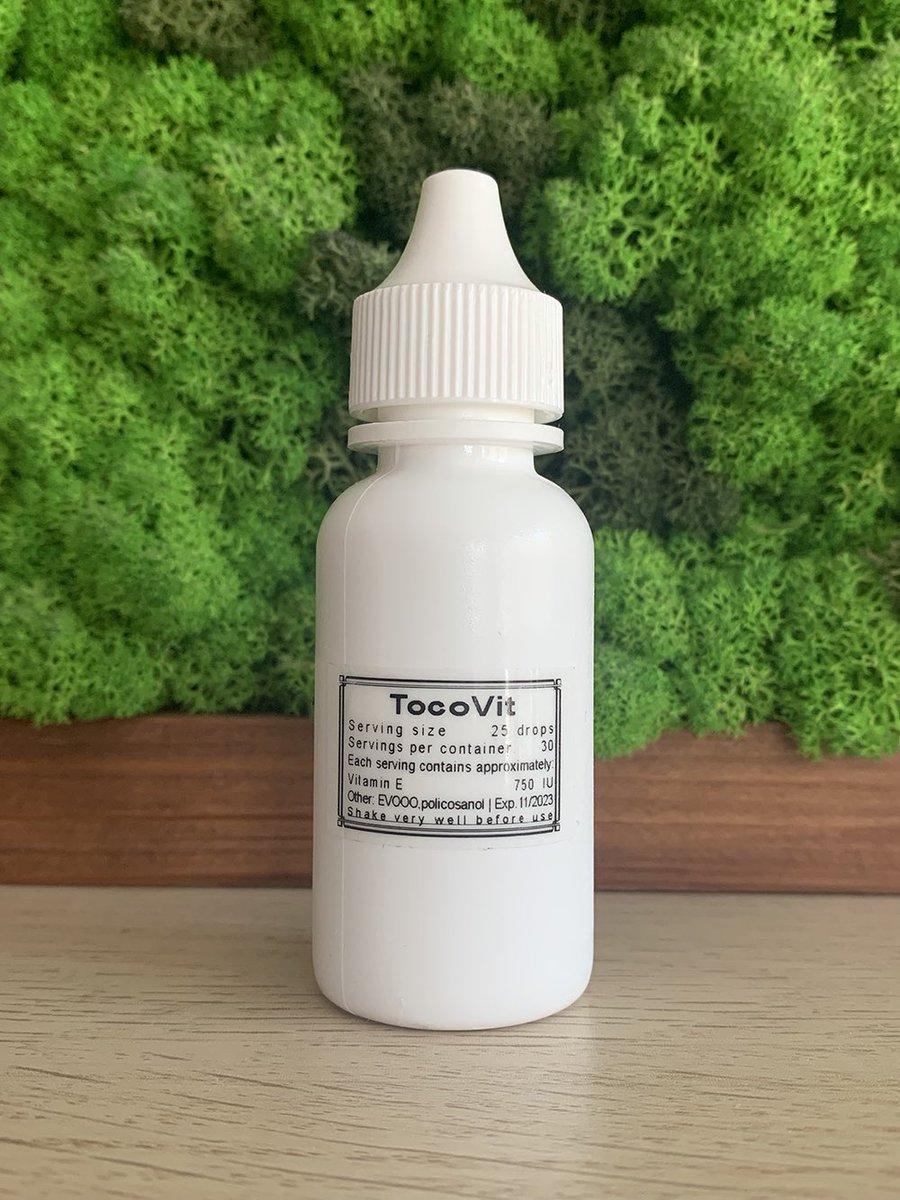
The author suggests roughly 30–50 mg of vitamin E daily, preferring mixed tocopherols and tocotrienols delivered in extra virgin olive oil for better absorption. Mixed vitamin E provides broader antioxidant coverage than alpha‑tocopherol alone and can support cellular and metabolic health. Because vitamin E is fat‑soluble and can accumulate, high supplemental doses should be avoided without clinical oversight , megadoses can interfere with vitamin K and increase bleeding risk, particularly for people on blood thinners. Opt for formulations that list mixed tocopherols/tocotrienols, use EVOO and food sources where possible, and confirm the right amount with your clinician.
Diet & lifestyle first; supplements as targeted tools (note on Cynomel/Cynoplus)
The toolkit emphasizes that diet and lifestyle are the foundation of thyroid support: nutrient‑dense, easily digestible foods, adequate restorative sleep, sun exposure, meaningful movement, grounding and social connection. Supplements are intended as important adjuncts , tools, not replacements for foundational habits. Most items on the list are easy to source, but prescription thyroid medications such as Cynomel or Cynoplus may require extra steps to obtain and should be managed by a healthcare provider. If considering thyroid hormone therapy, obtain baseline labs, start conservatively, monitor symptoms and bloodwork, and integrate supplements into a personalized plan addressing root causes.
Will thyroid supplements make you 'lose' your thyroid?

There’s a common concern that starting thyroid replacement will cause your gland to 'stop' or disappear. In practice, exogenous thyroid suppresses TSH while you’re taking it, which reduces endogenous stimulation, but appropriate, supervised replacement does not “destroy” the thyroid. Progressive loss of function is usually driven by underlying conditions like autoimmune thyroiditis rather than careful medical use of replacement. The thread author notes they have not seen cases of people 'losing' thyroid because of supplementation and reports improvement for many following metabolic strategies. Always titrate under medical supervision and monitor TSH, free T4 and free T3 to avoid overtreatment and optimize outcomes.