
Ever notice how sometimes your heart beats fast for just a moment, but other times it seems to race on and on? You might be dealing with stress or anxiety. Stress gives you a quick burst of energy when a challenge pops up, while anxiety sticks around with constant worry. Knowing the real differences between these feelings can help you keep your mind clear and feel more balanced. Let's explore some simple facts to help you tell them apart and take better care of yourself.
Stress vs Anxiety: Clear facts for calm minds
Stress is our body's natural way of reacting when things feel overwhelming. When we face a sudden challenge, our body gears up with a quick boost, our heart beats faster, our muscles get ready, and our body warms up. Once the stressful moment passes, these signs usually calm down pretty soon.
Anxiety feels different. It hangs around even after the situation that started it has ended. You might feel on edge or uneasy for a long time instead of getting a quick burst of energy. Stress helps us jump into action for right-now problems, while anxiety keeps us on alert for worries that might come in the future.
| Characteristic | Stress | Anxiety |
|---|---|---|
| Definition | A sudden reaction to a tough situation | A long-lasting feeling of worry even after the event |
| Duration | Short-lived; fades when the challenge is gone | Lasts for a longer time, even when things have calmed down |
| Trigger Removal | Quickly eases away when the problem ends | Worry sticks around even after the problem is gone |
| Purpose | Gives a quick burst of energy to tackle a problem | Keeps us aware of possible future issues |
Knowing the difference between stress and anxiety can really help us care for our health better. Stress gives us that immediate push to handle a tough moment, while anxiety reminds us to watch out for what might be coming next. Paying close attention to how our body reacts, like noticing muscle tightness or a pounding heart, can help us decide if we're just stressed for a bit or if something deeper is going on. This way, we can choose the right way to calm ourselves and stay on track every day.
Stress vs Anxiety: Biological and Psychological Mechanisms

When a sudden challenge appears, our body quickly kicks into gear. Our built-in alarm system, called the sympathetic nervous system, fires up defenses by releasing hormones like adrenaline and cortisol. Adrenaline makes our heart beat faster and sends more blood to our muscles, getting us ready for action, kind of like that burst of energy you feel during a fast run. Cortisol, known as the stress hormone, helps spread out this energy quickly so we can handle what’s coming next.
Anxiety works a bit differently. Instead of a quick burst, it keeps our body in a state of alert for a long stretch by continuously using what’s called the hypothalamic-pituitary-adrenal axis. This means cortisol gets released over a longer period, which slowly changes how our brain works. Parts of our brain, like the amygdala that handles our emotions and the prefrontal cortex that helps us make decisions, start to work differently. It’s like a slow simmer that never really switches off, even when the danger is gone, we still feel on edge. This lingering stress can make everyday tasks feel extra heavy and overwhelming.
Stress vs Anxiety: Recognizing Physical and Emotional Symptoms
When your body feels off, it gives you little hints. Noticing these signs, whether from stress or anxiety, can help you know when to take action. By spotting these cues, you can better understand how you feel and decide if the reaction is just a passing phase or if it needs extra attention.
Here are some common signs:
• Stress: You might get headaches, feel tight muscles, have a fast heartbeat, an upset stomach, or struggle to sleep.
• Anxiety: You could find yourself worrying a lot, having trouble focusing, or even experiencing a sudden panic attack.
Sometimes, the lines between stress and anxiety blur. For example, feeling stressed can make you irritable or mess with your sleep, which might turn into ongoing worry. Over time, this mix can leave you feeling tired and even increase the chance of depression. Keeping an eye on these shared signals lets you address them early and take care of your overall well-being.
Stress vs Anxiety: Common Triggers and Underlying Causes
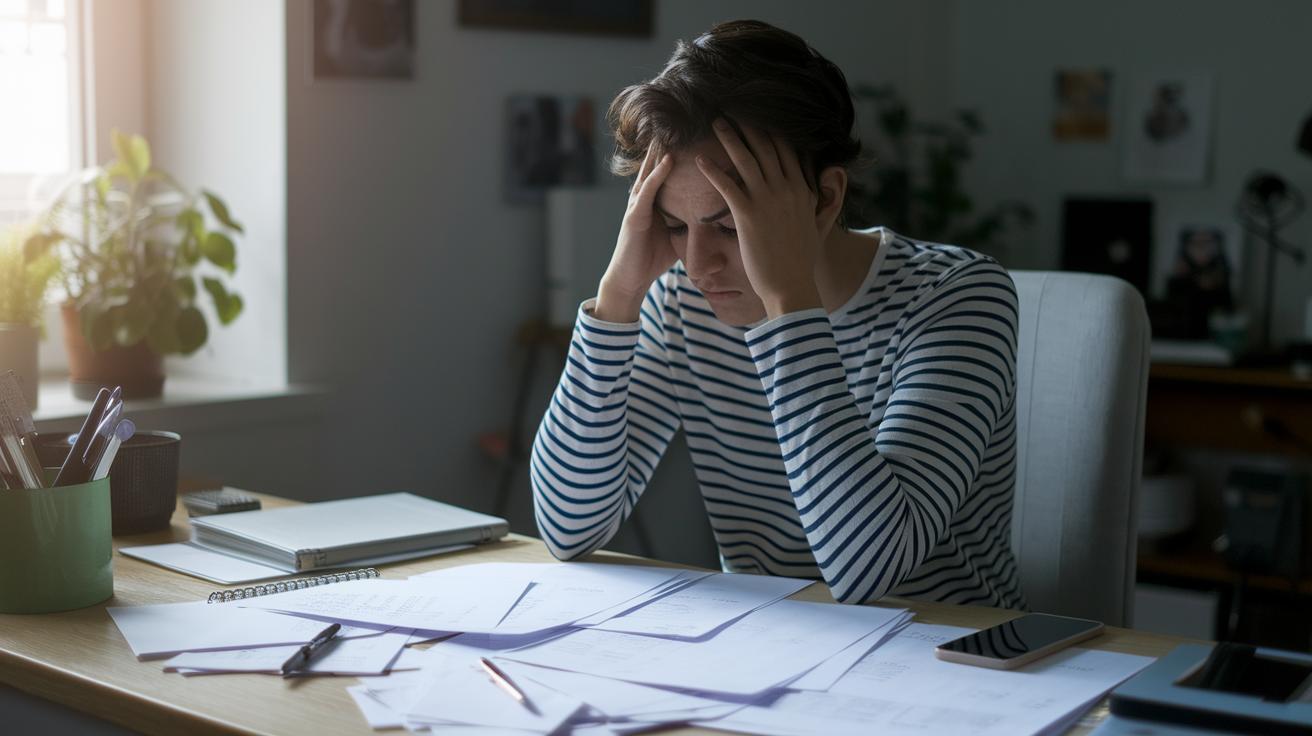
Every day, we face things that push us to feel stressed. Simple things like job tasks, school deadlines, or money worries can set off that tight feeling in our bodies. Meanwhile, our own high expectations, fear of failure, or big changes, like starting a new job or welcoming a new baby, can pile on the stress even more.
Stress usually hits quickly, helping us deal with the moment. It’s like that sudden burst of energy you get before a big exam or meeting. But then there’s anxiety. Anxiety creeps in when we worry about what might happen next. Uncertainty about the future or feeling like things are out of our control can leave you on edge well after the stressful moment is over.
Sometimes social settings or performance pressure, like speaking in front of a group or meeting new people, make anxiety spike even further. When worries about what lies ahead take over, a brief burst of stress can linger and turn into a long-lasting feeling of unease. Recognizing these triggers early on is key to easing both stress and anxiety.
Stress vs Anxiety: Assessment Tools and Self-Screening Tests
The Perceived Stress Scale (PSS) is a common tool that asks you to think about your stress over the past month. It includes simple questions to help you understand your day-to-day stress. Online quizzes work in a similar way, giving you a quick peek at your stress levels. Just remember, these tests are a starting point and aren’t meant to replace a chat with your doctor.
Self-assessment tests for anxiety, like the GAD-7, ask how often you feel worried or notice physical tension. They cover signs such as feeling restless or having trouble concentrating. These tests give you a brief look at your mental state and can help you notice changes over time.
Your regular doctor often uses standard screening tools during check-ups. If your self-screening shows high stress or anxiety levels, it might be a good idea to talk with a professional. This way, they can suggest more tests or offer support to help you take care of your mental health.
Stress vs Anxiety: Evidence-Based Coping Strategies and Treatments
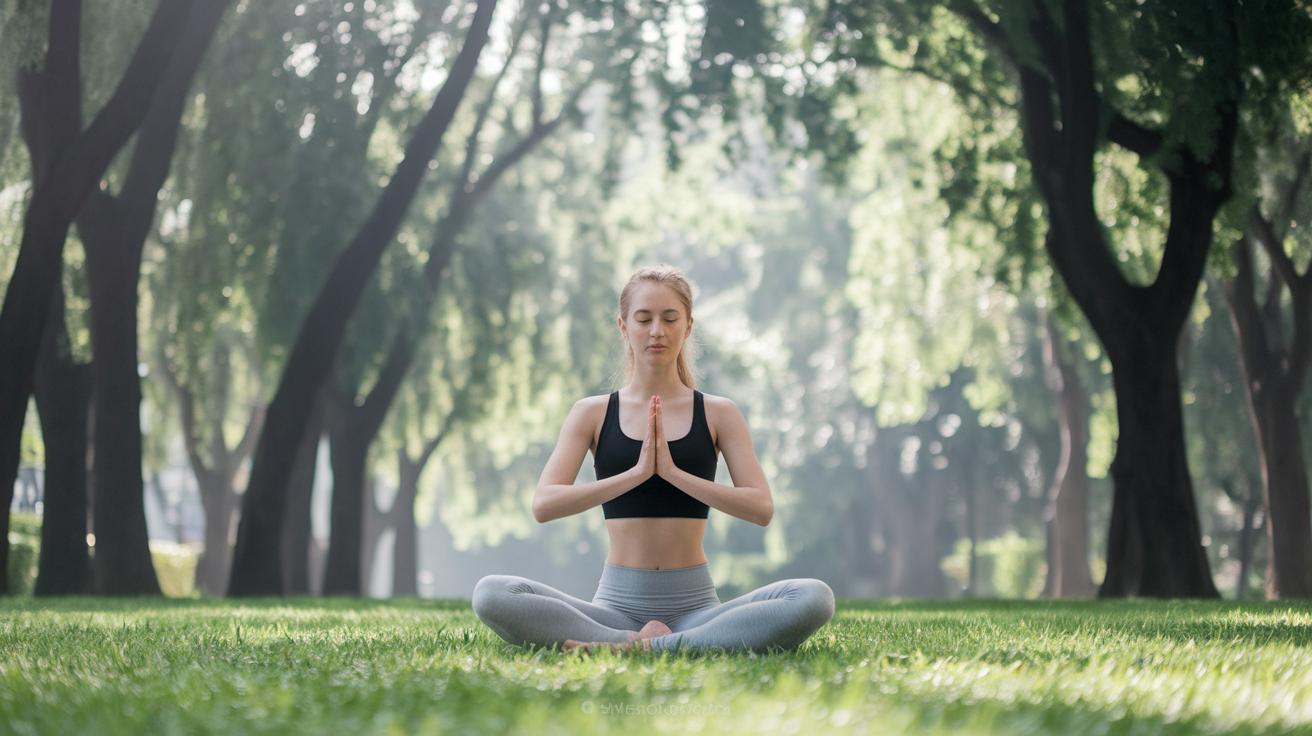
Everyday habits can really help soothe stress and anxiety. For instance, fitting in a moderate amount of exercise, about 150 minutes of brisk walking or jogging each week, not only eases physical tension but also lowers stress hormones. Getting 7 to 9 hours of sleep every night by sticking to a regular bedtime and keeping your room comfortable makes a big difference. Plus, eating balanced meals with whole foods keeps your energy steady. Even a simple 20-minute morning walk can feel as refreshing as a deep breath of fresh air.
Mind-body practices are another great way to handle stress and anxiety. Try spending a few quiet minutes focusing on your breath. This simple mindfulness exercise helps shift your thoughts away from worry and towards calm. Meditation lets you notice and gently let go of negative thoughts, so you can think more clearly. And when you do yoga, you combine gentle stretches with focused breathing, which helps ease mental tension. It can be like hitting a reset button during a busy day, giving you a moment to enjoy calm, much like when you pause to appreciate a quiet park.
There are also targeted techniques to help you feel better right away. One simple exercise is to breathe in through your nose for 4 seconds, then breathe out through your mouth for 8 seconds, and repeat this five times. This can slow down a racing heart. Keeping a gratitude journal, writing down a few things you appreciate each day, helps turn your focus from negative spirals to more positive thoughts. Taking a few moments to jot down your feelings can also feel like a little release during stressful times. These practical methods, when used regularly, can boost your ability to manage stress and anxiety and help you build up strength to handle future challenges.
Stress vs Anxiety: When to Seek Professional Support
Sometimes, life feels like too much to handle. When emotions get overwhelming and you’re struggling, getting help quickly is really important. If you’re feeling extremely upset or having thoughts of suicide, call 9-1-1 or 988 immediately. Crisis hotlines like 1-800-784-2433 are there to give you fast support when stress turns into an emergency.
If it’s not a crisis, you still have options. Your regular doctor can help figure out what’s going on with your stress or anxiety. They might suggest talking therapies, medications, or even refer you to a support group in your community. These options let you check in regularly and create a safety net so you can find balance again.
Final Words
In the action, the post broke down stress vs anxiety by defining these states, pinpointing their physical and emotional signs, and explaining body reactions and triggers. It also outlined practical self-tests and proved coping strategies that fit everyday routines. The discussion stressed clear steps for when to reach out for help, all while keeping personal data safe and advice expert-backed. With stress vs anxiety clarity, you have solid guidance to take control and feel empowered on your path to better well-being.