
Have you ever noticed how some people seem to buzz with energy all day? A balanced diet can be one of the best ways to feel great. When you fill your plate with fresh fruits, crunchy veggies, whole grains, and lean proteins, you're giving your body the fuel it needs to work at its best. Nowadays, many of us eat a lot of processed foods, but switching to healthier choices can really brighten your day. Let’s dive into some easy tips to make healthy eating both simple and satisfying.
Balanced Diet Fundamentals: Core Tips for a Healthy Plate
Eating a balanced diet means filling your plate with a mix of different food groups at every meal. You want to include lots of veggies, fruits, whole grains, proteins, and dairy, or alternatives if you prefer. When you add colorful foods to your plate, you're giving your body vitamins, minerals, and fiber it needs to work its best. Imagine your plate as a little rainbow: fresh strawberries on your cereal or crisp greens in your wrap can make a big difference.
Recent studies tell us that many American adults get nearly 60% of their calories from ultraprocessed foods. These kinds of foods have been connected with health problems like type 2 diabetes and heart issues. By choosing fresh, whole foods over these processed options, you can lower your risk of these conditions. If you’re curious about more benefits, you might want to take a look at the "Benefits of Eating a Balanced Diet" resource.
Sticking to a balanced diet helps you manage your weight, keep your blood sugar steady, and enjoy more consistent energy throughout your day. Not only does this new way of eating fuel your body, but it also brings long-lasting health benefits. For more tips on diet and practical management techniques, check out "Nutritional Weight Wellness." Every mindful choice you make at mealtime is a step towards a healthier, happier you.
Smart Portion Control for a Balanced Diet
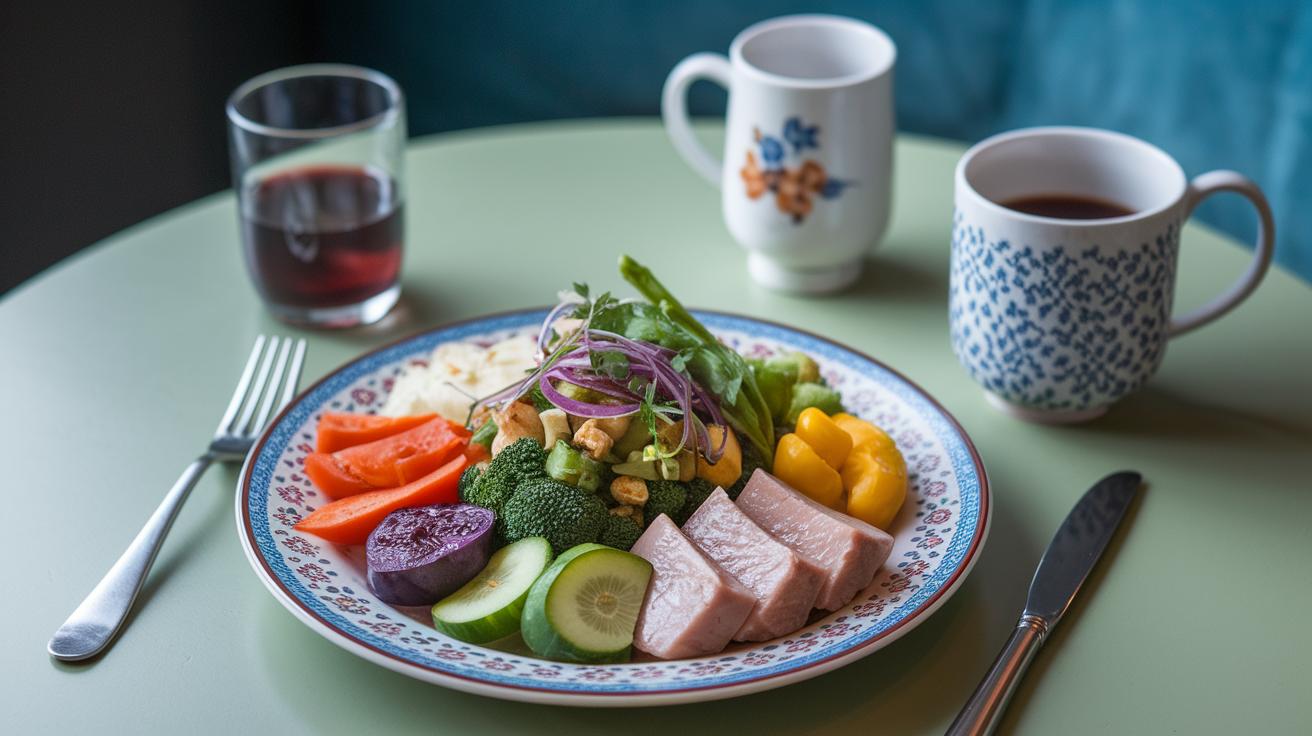
Keeping an eye on your portion sizes is an easy trick to maintain a balanced diet. Serving smaller amounts helps prevent overeating and keeps your energy steady all day. It's like pacing yourself during a race, you give your body just the right boost without going overboard. Imagine slowly filling a glass with water instead of pouring it all at once; it's a gentle way to keep things balanced.
There are a few smart ways to make this work for you. For example, using a smaller plate can make your food look more abundant, and keeping dressings or sauces on the side helps keep extra calories in check. Eating slowly also gives your body a chance to tell you when it's full. Ever notice how savoring each bite makes the meal even more enjoyable?
| Food Group | Standard Serving Size |
|---|---|
| Vegetables | 1 cup |
| Fruits | ½ cup |
| Grains | 1 oz or 1 slice |
| Proteins | 3 oz |
Macronutrient Distribution in Your Balanced Diet
Balancing your calories among carbohydrates, proteins, and fats is a simple way to give your body the fuel it needs. Experts suggest that about 45-65% of your daily calories should come from carbs, 10-35% from proteins, and 20-35% from fats. This approach lets you enjoy lots of whole, nutritious foods that support your energy and overall well-being.
Carbohydrates
Carbs are your body's main energy source. They come in two types: complex carbohydrates, like whole grains and vegetables, release energy slowly and steadily; simple sugars can send your energy on a roller coaster ride with quick peaks and falls. Choosing the right carbs helps you feel satisfied and energetic throughout your day, much like the steady rhythm of a favorite song that keeps you going.
Proteins
Proteins help build and repair your tissues. Lean choices such as poultry, fish, and plant-based options like lentils or beans deliver high-quality protein without too much extra fat. These options not only help your muscles recover and grow but also keep your meals exciting and tasty.
Fats
Fats are important for brain function and hormone balance. Healthy fats from foods like olive oil, avocados, and nuts help your cells work well and might reduce inflammation. On the other hand, keeping an eye on saturated fats can be good for your heart. A simple tip is to think of healthy fats as friendly helpers that support both your body and your mind.
Tracking your ratios with a food journal or an app can be a handy way to see if you're meeting your needs. It's all about finding what works best for you and your lifestyle.
Meal Timing Strategies for a Balanced Diet
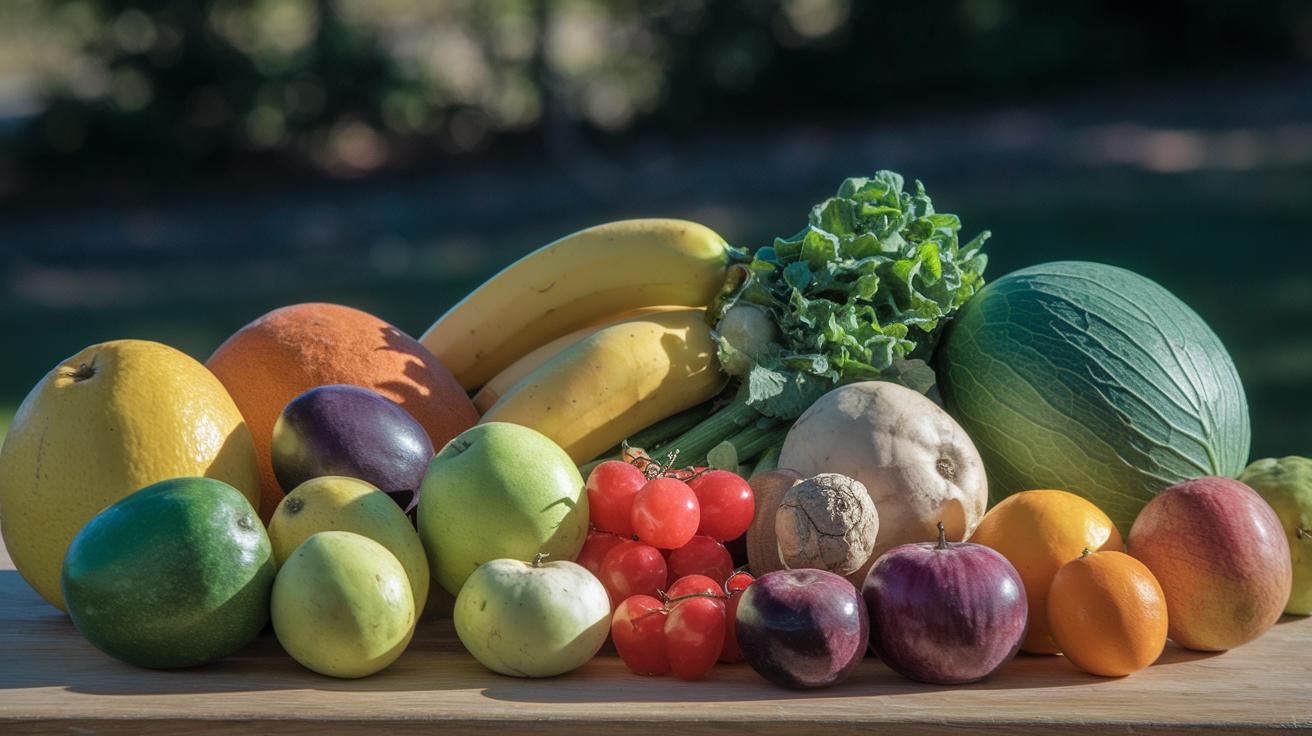
Eating three meals a day at regular times lays a solid foundation for a balanced diet. When you stick to a routine, you’re less likely to grab snacks late at night and more likely to keep your energy steady. Space your meals about 4–5 hours apart so your body has plenty of time to digest and use the food as fuel. It’s like topping off your car’s gas tank right when it starts to dip, everything runs smoothly without any sudden stops.
After your meal, try taking a short walk. A gentle stroll not only helps your food settle but also clears your mind, making it easier to jump into your next task. Whether it’s a quick lap around the block or a slow wander in your yard, these brief walks can fit nicely into your day and boost your overall well-being.
Fresh Produce and Nutrient Synergy in a Balanced Diet
Eating a variety of fruits and veggies every day is a simple way to help your body feel its best. When you add fresh produce to your meal, you get a boost of antioxidants, natural compounds that fight inflammation, and fiber to keep you feeling full and energized. Imagine colorful veggies tossed into a salad, blended into a smoothie, or wrapped in a whole grain tortilla, aim for about five servings each day. A berry smoothie, for example, isn’t just delicious; it can kickstart your day in a refreshing way.
Pairing these plant foods with a little healthy fat can also make a big difference. Vitamins A, D, E, and K become easier for your body to use when you include a bit of olive oil, a sprinkle of nuts, or slices of avocado with your produce. A handy tip: a drizzle of extra virgin olive oil on steamed greens can turn your dish into a real nutrient powerhouse. If you’re looking for more meal ideas, you might want to check out some nutrient-dense recipes online.
Also, going for fresh produce over dried versions can help you get more nutrients. For instance, fresh berries usually have more antioxidants and moisture compared to their dried counterparts. The crisp textures and vibrant flavors of fresh fruits and vegetables not only make your meals tastier but also help you enjoy all the nutritional benefits for a healthier life.
Tips for Balanced Diet: Boost Your Well-Being
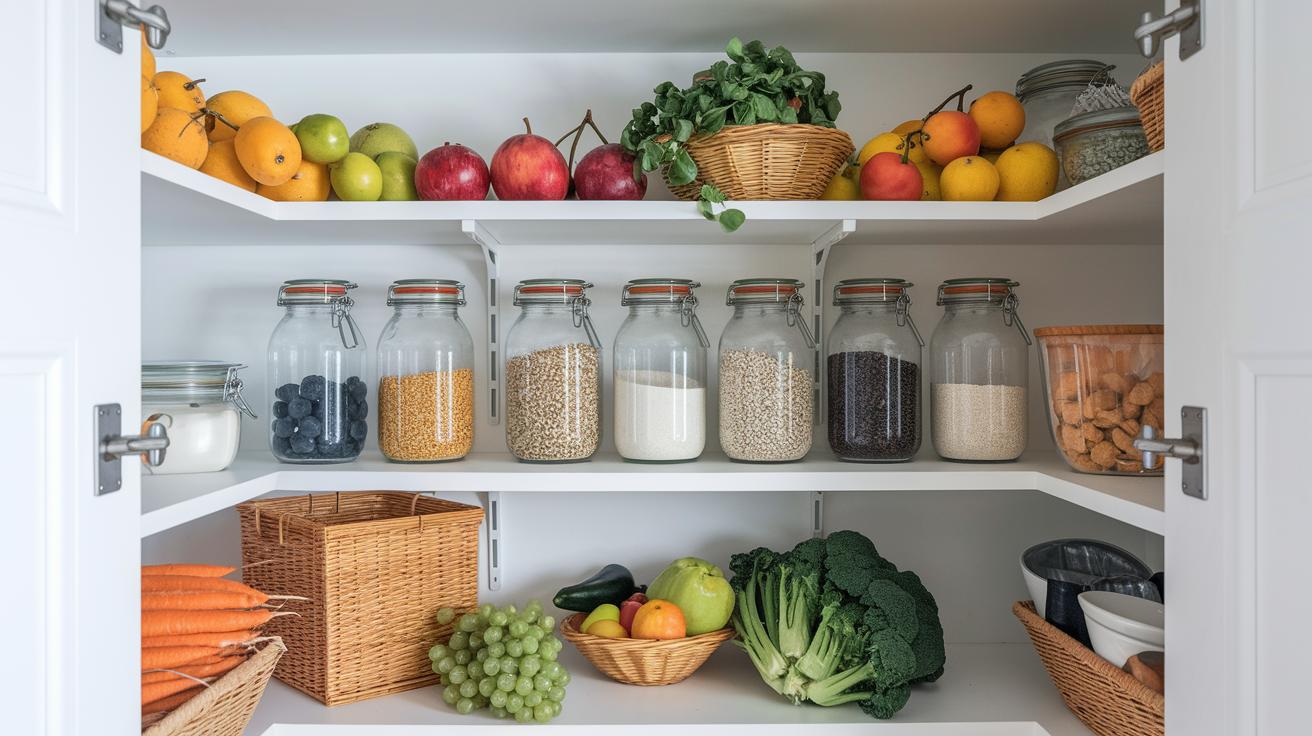
Have you ever set aside a few hours to plan your meals for the week? It can really make mealtime feel calm and organized. When you cook in batches, you prepare grains, proteins, and even full meals that save you time on hectic days. This way, you control your portions and ingredients while cutting back on the temptation of quick, less healthy choices. Picture your pantry stocked with wholesome options that are ready to go, making every meal a breeze and keeping your body well nourished.
Using convenience foods can be smart too, if you pick the right ones. A rotisserie chicken, a can of beans, or even pre-washed, cut greens can save you time without lowering the meal's nutritional value. The trick is to plan your grocery list with both shortcuts and fresh, home-cooked items. That mix lets you enjoy a balanced diet effortlessly while keeping your meals fun and varied.
- Craft a shopping list organized by your weekly meal plan.
- Cook staple items like grains, beans, and proteins in bulk.
- Use pre-cut or frozen veggies for quick meal prep.
- Divide your meals into containers for easy grab-and-go lunches.
- Add one new recipe to your rotation every week for variety.
Mindful Eating and Hydration Tips for a Balanced Diet
Mindful eating means truly enjoying each bite. You focus on the taste, feel, and even the tiny signals from your body telling you when you're getting full. It’s about slowing down and noticing every texture and flavor, like when you savor a crisp apple and catch that first burst of sweet juice.
Try taking little pauses between bites and set your fork down for just a moment. This simple trick lets your brain catch up with what your stomach is feeling. Chew slowly, maybe count to three with every mouthful, and soon you'll notice if you're still hungry or already satisfied.
Staying hydrated is just as important. Aim for about eight cups of water during the day. Instead of sugary sodas or fancy coffee drinks, go for plain or sparkling water. Every cup acts like a little recharge, supporting your digestion and keeping your energy up.
Seasonal and Sustainable Food Choices for a Balanced Diet
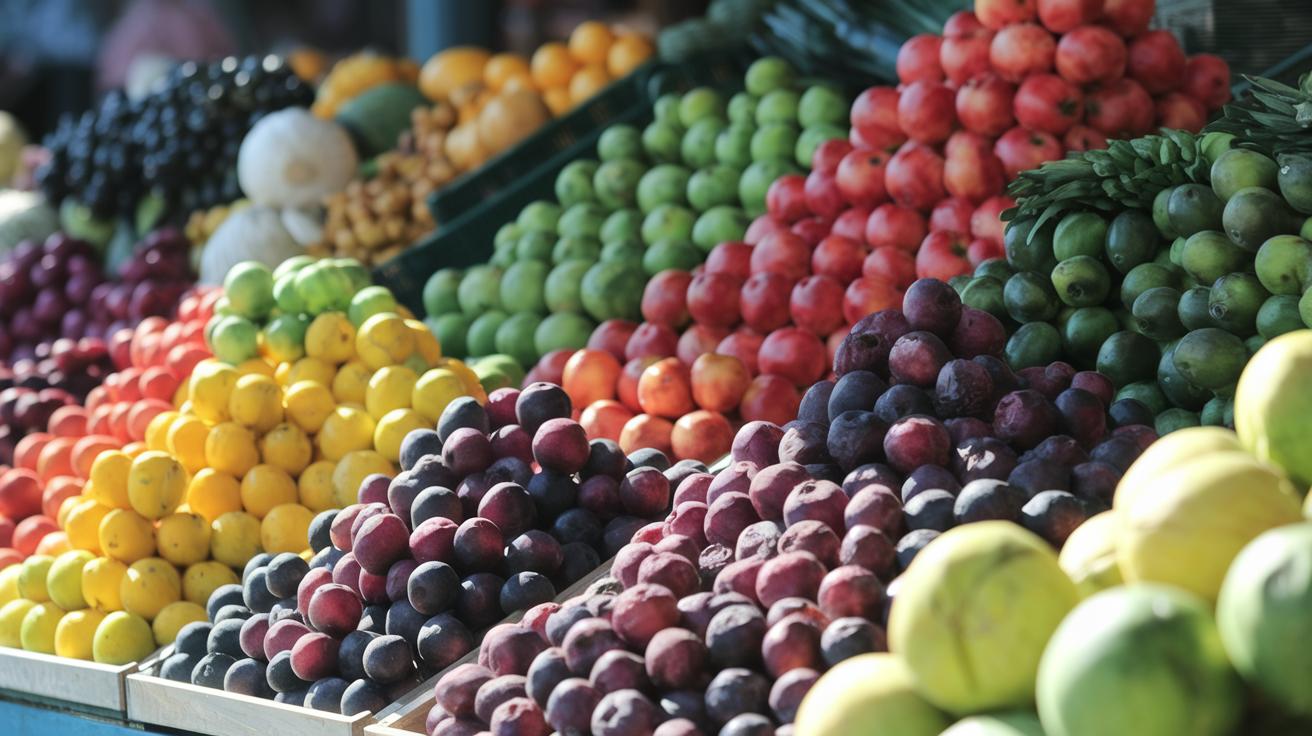
When you choose fruits and veggies that are in season, you’re getting them at their very best. Farmers markets often offer these foods at a lower cost, so you can enjoy tasty, healthy meals without breaking the bank. In season, produce naturally grows at its peak, giving it richer flavor and more nutrients. Just imagine biting into a crisp apple or a juicy tomato, you get a burst of flavor that’s both delicious and kind to your wallet.
Buying local and organic food is a win for your health and the environment. When you buy nearby, food doesn't have to travel far, which keeps it fresher and reduces pollution. Organic options steer clear of synthetic chemicals, offering you cleaner and more natural choices. This approach not only supports local farmers but also fills your diet with nutrient-packed produce that boosts your well-being.
Quick Balanced Diet Recipes You Can Try Today
Balanced Burrito Bowl
Try a bowl of brown rice, roasted veggies, and your favorite protein like chicken or tofu. Each spoonful gives you a mix of steady energy, important vitamins, and satisfying protein. It’s like having a small, healthy meal in every bite.
This dish is a simple way to make sure you get the right balance of nutrients. Brown rice offers long-lasting energy, the veggies bring in fiber and nutrients, and the protein keeps you feeling full. It’s a go-to meal when you need something quick and wholesome.
Veggie and Bean Soup
This soup is hearty and made with colorful veggies and protein-rich beans. You can toss everything into a pot with a little water and let it simmer until the flavors come together. It’s a warm, comforting meal that’s easy to prepare.
The beans add lots of fiber while the vegetables contribute vitamins you need for good health. Every bowl is nourishing and gives you a steady flow of energy all day.
Berry Greek Yogurt Smoothie
Enjoy a refreshing smoothie made with Greek yogurt, mixed berries, and a splash of milk or water. The blend is smooth and creamy, perfect for a quick nutrient boost any time of the day.
This drink combines the benefits of probiotics from yogurt, antioxidants from berries, and a touch of hydration to keep you feeling great. It’s a delicious way to start your day or to enjoy as a snack that fuels you with vitality.
Final Words
In the action of putting these tips for balanced diet into practice, we unraveled the benefits of a plate that balances all major food groups while keeping ultraprocessed foods at bay. We explored practical steps like smart portion control, macro distribution, mindful eating, seasonal produce, and quick recipes to make healthy choices simple. Applying these actionable ideas can help you enjoy consistent energy and a healthier routine. Keep these tips for balanced diet close as you make confident, everyday wellness decisions.
FAQ
What food groups are included in a balanced diet food list or chart?
A balanced diet food list includes fruits, vegetables, whole grains, lean proteins, dairy or alternatives, and healthy fats. This mix supports energy levels, weight control, and overall well-being.
What are some useful tips for creating a balanced diet meal plan for adults?
Useful tips involve planning meals ahead, using smaller plates for portion control, and adding variety from all food groups. This makes eating balanced meals easy and enjoyable for adults.
What does a 7-day healthy eating plan involve?
A 7-day healthy eating plan provides a weekly guide featuring diverse meals, balanced portions, and nutrient-rich ingredients from every food group to help support consistent energy and health.
What are some practical healthy eating tips and habits?
Practical tips include meal planning, mindful portion control, choosing whole foods, staying hydrated, eating slowly to recognize fullness, and regularly mixing fruits, vegetables, proteins, grains, and healthy fats.
What does the 80% rule in eating mean?
The 80% rule means stopping when you are about 80% full. This mindful practice helps prevent overeating and gives your body time to register fullness during meals.
What are the 5 keys to a healthy diet?
The 5 keys include variety, nutrient density, proper portion sizes, consistent meal timing, and incorporating all food groups. These elements work together to support energy balance and overall health.
How can I eat healthy food every day?
Daily healthy eating starts with meal planning and smart portion control. Include a mix of fruits, vegetables, lean proteins, whole grains, and healthy fats to create balanced meals that suit your lifestyle.
What benefits does a healthy diet offer?
A healthy diet improves energy, aids in weight management, stabilizes blood sugar, boosts immunity, supports digestion, enhances mood, and reduces risks for chronic diseases, contributing to overall wellness.