
What does 'upper echelon' health mean? In this natural protocol for men, it’s less about transient aesthetics and more about a coherent cluster of biomarkers, metabolic efficiency, resilience and lifestyle outcomes. On paper: high DHT and total testosterone (700+ ng/dL), elevated free testosterone, optimized androgens, low prolactin, upper‑mid estradiol, high dopamine tone, low cortisol, robust thyroid function, efficient carb metabolism, fertility and low body fat with elite physical performance. Equally important are flawless gut health, strong social bonds and quality of life—think energy, confidence, sleep and the freedom to enjoy life outdoors. This guide breaks it down.
Vitality Maxxing: What Upper Echelon Health Looks Like

What does 'upper echelon' health mean? In this natural protocol for men, it’s less about transient aesthetics and more about a coherent cluster of biomarkers, metabolic efficiency, resilience and lifestyle outcomes. On paper: high DHT and total testosterone (700+ ng/dL), elevated free testosterone, optimized androgens, low prolactin, upper‑mid estradiol, high dopamine tone, low cortisol, robust thyroid function, efficient carb metabolism, fertility and low body fat with elite physical performance. Equally important are flawless gut health, strong social bonds and quality of life, energy, confidence, sleep and the freedom to enjoy life outdoors. This piece unpacks the nutrition, nutrients, supplements, gut and movement tips used to pursue that state.
Upper Echelon Nutrition
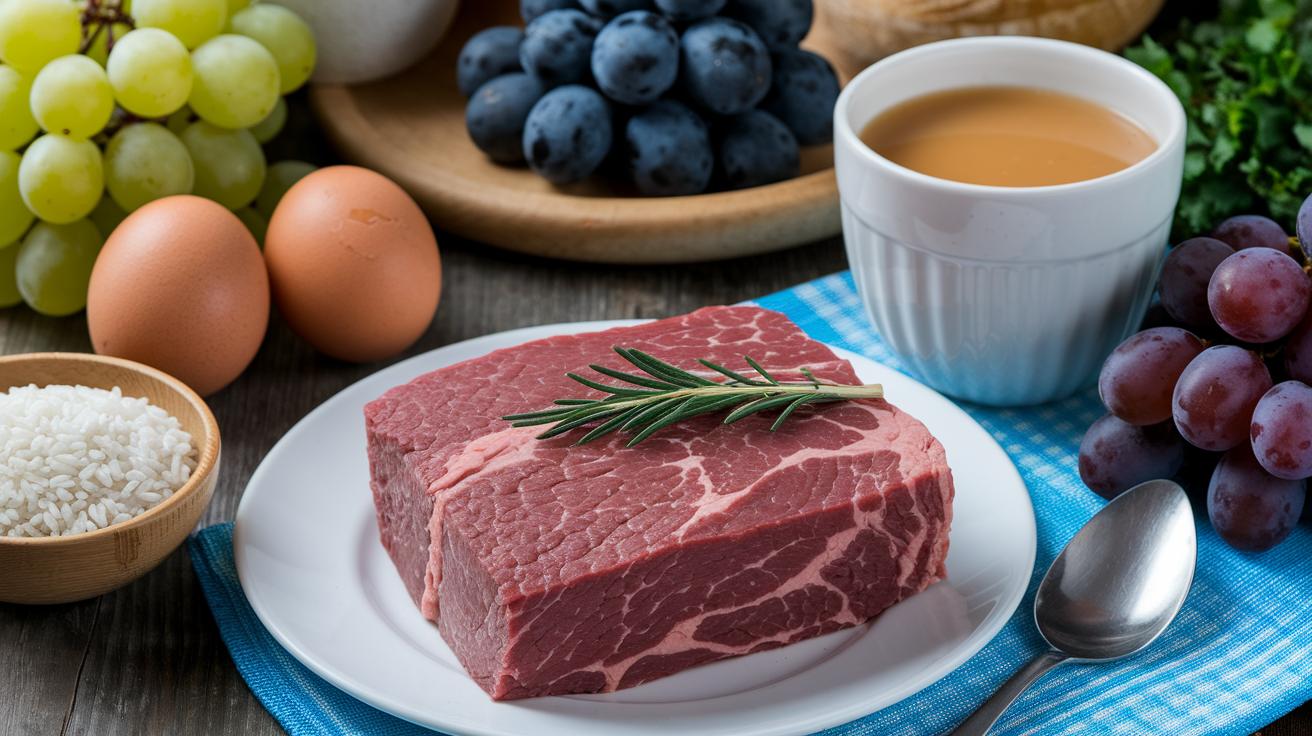
Nutrition here is food‑first and hormone‑friendly. Prioritize high‑quality animal fats, pasture‑raised eggs and grass‑fed beef, for fat‑soluble vitamins and bioavailable cholesterol, the building blocks of steroid hormones. Use easy‑to‑digest carbs like seasonal fruit, white rice and white potatoes to refill glycogen without gut stress. Raw honey and royal jelly are traditional supports for libido and hormonal signaling; grass‑fed gelatin or bone broth provide glycine and connective‑tissue support, while bone marrow supplies B12 and collagen. Sun‑dried raisins and red grapes add boron and resveratrol; watermelon brings L‑citrulline for circulation; pineapple offers bromelain to aid protein digestion. Tailor to tolerance and seasonality.
Necessary Nutrients

Micronutrients are the scaffolding for hormones and metabolic resilience. Make vitamin D a priority through safe sun exposure, plus zinc for thyroid and testosterone support, selenium and iodine for healthy thyroid hormone synthesis, and magnesium for sleep and insulin sensitivity. B vitamins (B6, B12, riboflavin) power energy metabolism; vitamins A, C and E provide antioxidant protection. Taurine, trace copper and calcium (food sources first) round out nervous‑system and bone support. Aim to get most from whole foods; use tests and professional guidance to fill gaps with targeted supplements when necessary.
Vitality Supplements
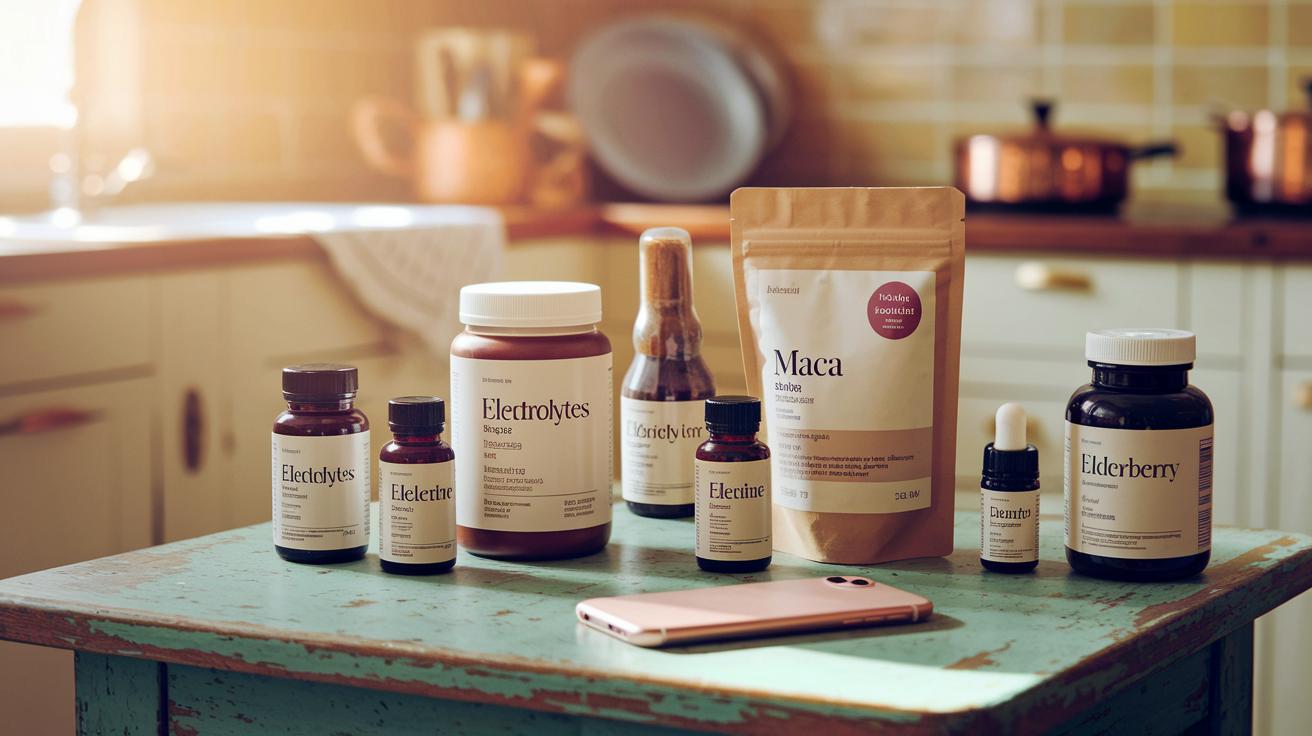
Supplements can complement a strong diet and recovery routine but aren’t magic. Useful options include salt‑based electrolytes for hydration balance, creatine for strength and mood support, and gelatinized maca or royal jelly for libido (traditional use; evidence varies). L‑citrulline can support nocturnal circulation, niacin for peripheral circulation, and shilajit as a mineral‑rich adaptogen. Colostrum and elderberry may support gut and immune resilience, and N‑acetyl glucosamine helps connective tissues. Start one product at a time, choose reputable brands, and consult a clinician, especially if you’re on medication or have medical conditions.
Gut Health Tips
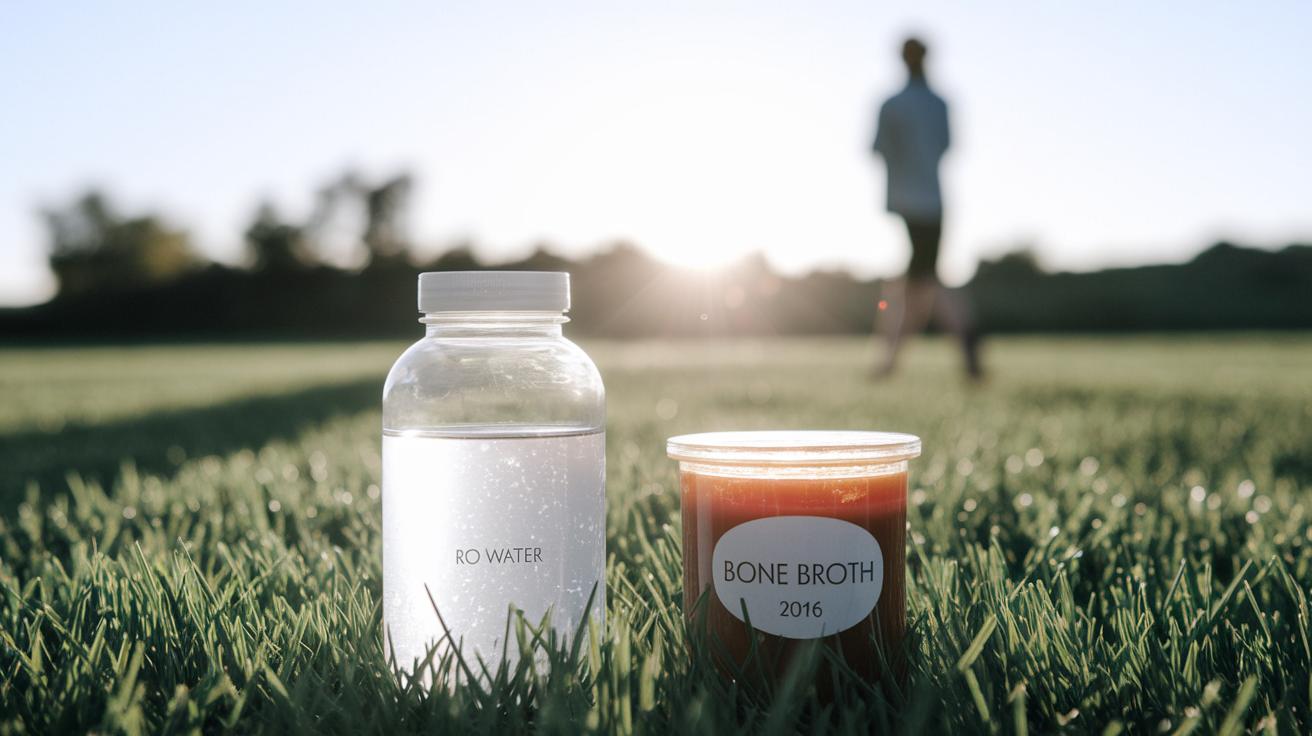
Gut health underpins hormones, immunity and nutrient uptake. If you struggle digestively, pause nonessential supplements and alcohol and pursue an elimination approach plus supervised fasting if needed. Practical tactics: filter drinking water (RO), eat with sunlight exposure to help circadian cues, walk after meals to aid digestion, stretch beforehand to lower stress, avoid coffee on an empty stomach, chew mastic gum after heavy meals, cook with animal fats, and start days with grass‑fed bone broth for mucosal support. Work on regular bowel movements and remove pesticide‑laden and processed foods from the diet. Experimental peptides (e.g., BPC‑157) exist but require medical oversight.
Training Tips

You need muscle, both for metabolism and functional capacity. Prioritize compound resistance training with progressive overload while minimizing injury risk through proper form and periodization. Find a competitive outlet that keeps you accountable, sports, strength contests or martial arts, to foster focus and consistent improvement. Complement heavy work with rhythmic, restorative movement such as walking, hanging and daily mobility drills to reduce stress and improve recovery. Balance intensity with recovery: prioritize sleep, nutrition, and active flexibility to sustain long‑term gains. Enjoy the process and keep training sustainable so you stay in the game for decades.
Health Extremist Tips

Small, disciplined habits compound. Reduce unnecessary EMF and device time, put the phone down and spend time barefoot outdoors; choose natural fabrics like organic cotton to limit chemical exposure; try a kiwi before bed for sleep and bowel regularity; get short, safe morning sunlight for circadian entrainment and vitamin D. Prioritize deep sleep (magnesium glycinate, blue‑light blockers), limit alcohol to social occasions (organic red wine if preferred), avoid daily stimulants, and don’t chronically restrict carbs. Regulate dopamine by reducing constant phone/music stimulation, don’t skip breakfast routinely, and ground daily to support recovery and stress regulation.