
Ever wonder if your gut might be the secret to feeling great every day? This article shares simple ideas that could change how you care for your digestive health.
Think of your gut as a little garden where you pick the right foods, drink plenty of water, and watch things thrive. Basic tips, like eating meals rich in fiber and staying well hydrated, can help lower inflammation and boost the good bacteria that keep you feeling well.
We invite you to try easy, everyday methods to give your digestive system a fresh start and keep it running smoothly. Small changes can lead to big improvements in how you feel.
Essential Wellness Tips to Support Digestive Health
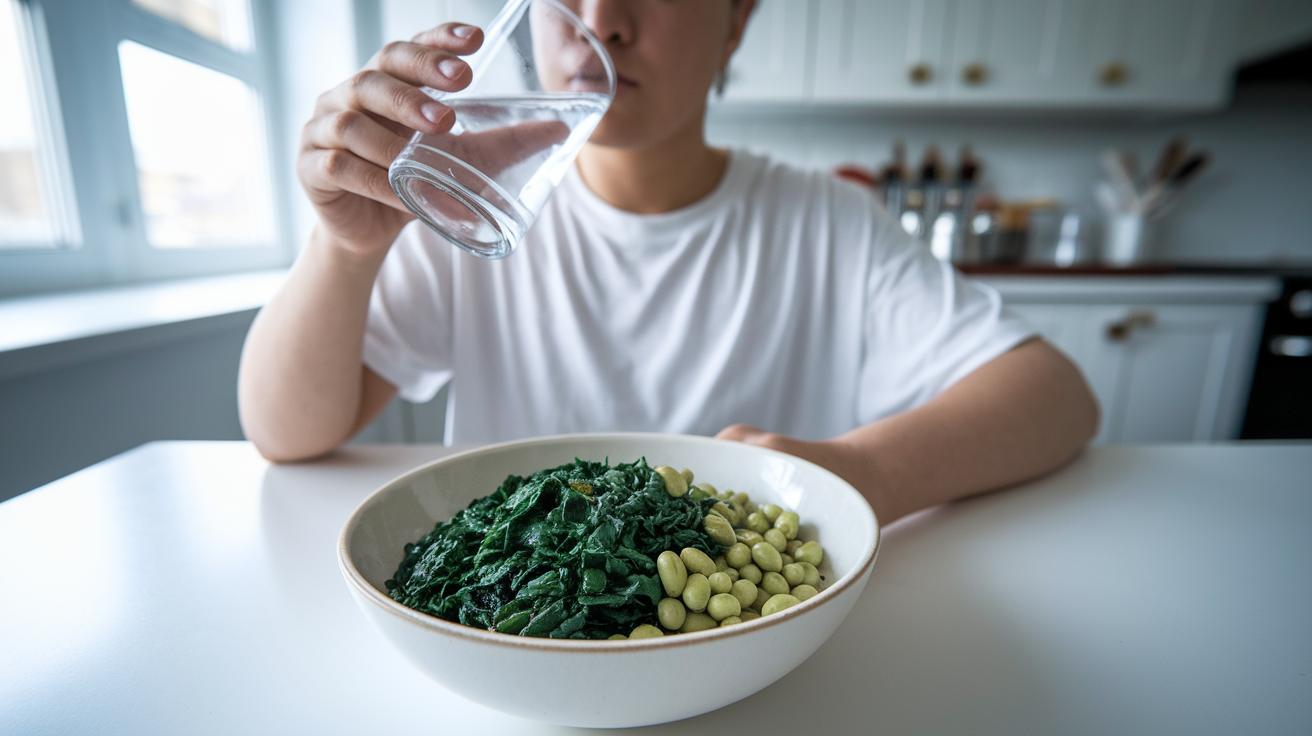
Taking care of your digestive system starts with a balanced mix of healthy foods and plenty of water. A good diet keeps your gut happy by easing inflammation and supporting the helpful bacteria in your intestines. Fiber is key, about 25 to 38 grams a day from veggies, beans, and legumes can really make a difference. Water helps move food through your body and makes it easier to soak up nutrients.
When you make fiber a daily habit, your digestive system works more smoothly. A variety of whole, unprocessed foods helps keep things balanced and can reduce discomfort. Adding foods with probiotics, which are friendly bacteria, can also boost your gut’s health. You might even check out a list of probiotic-rich foods online if you’re curious to learn more.
Drinking enough water is a simple, effective way to support your digestion. Sipping water throughout the day helps your body absorb nutrients and keeps constipation at bay. Swapping out sugary drinks for water not only helps your gut but also adds to your overall well-being.
- Drink a glass of water before each meal.
- Add a serving of whole grains to your diet.
- Enjoy a mix of colorful vegetables.
- Include a good fiber source in every meal.
- Choose low-sugar, probiotic-rich foods.
Nutrition-Focused Wellness Tips for Digestive Health
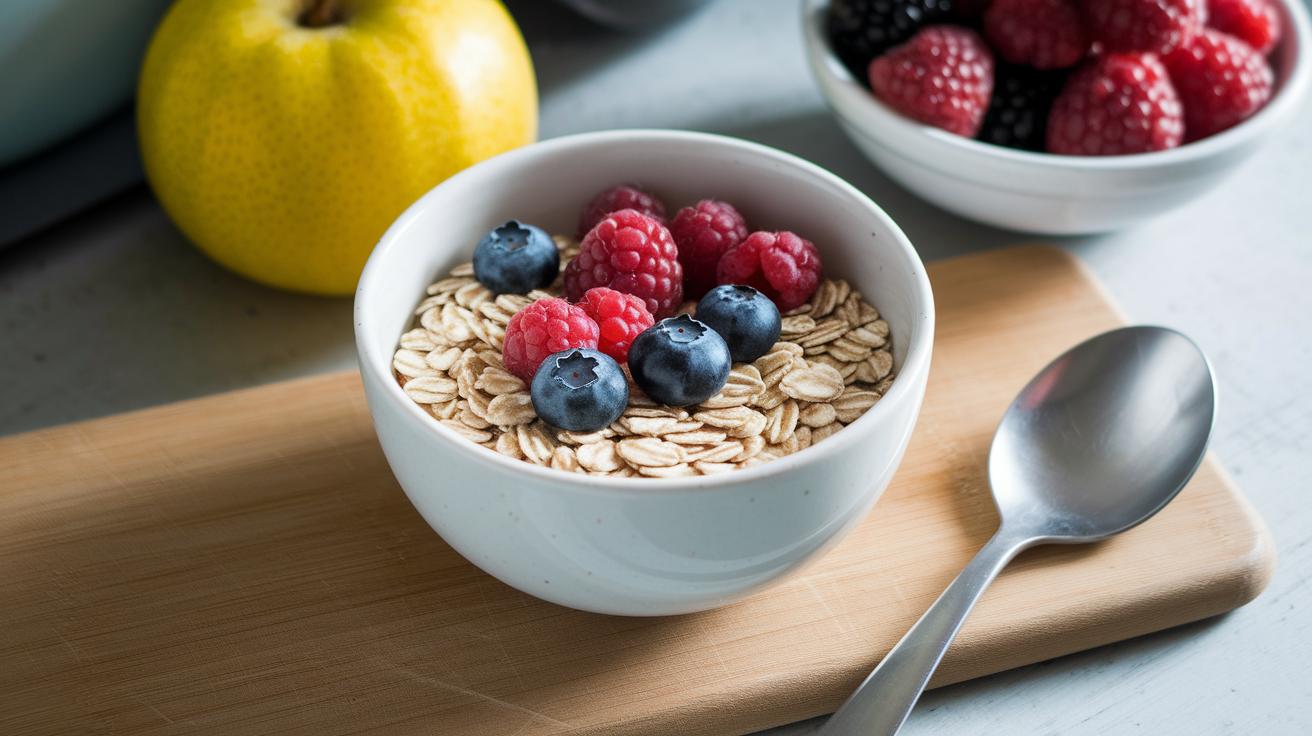
Eating plenty of fiber helps your stomach work better. It’s a good idea for adults to get about 25–38 grams of fiber each day. Try adding whole grains like whole-wheat bread, brown rice, oats, or quinoa to your meals, and don’t forget beans and lentils.
Probiotic foods like yogurt, kimchi, kefir, and sauerkraut contain live cultures that help keep your gut balanced. Imagine this simple tip: have a bowl of oats for breakfast to reach 30 grams of fiber. It can really kick-start your day with some extra energy.
| Source Type | Examples |
|---|---|
| Fiber | Whole-wheat bread |
| Fiber | Brown rice |
| Fiber | Oats |
| Fiber | Quinoa |
| Probiotics | Yogurt |
| Probiotics | Kimchi |
| Probiotics | Kefir |
| Probiotics | Sauerkraut |
Choose whole, low-sugar foods to keep your gut happy. Cutting back on added sugars can help stop the growth of less-helpful bacteria. Instead of a sugary snack, try a piece of fruit or a serving of whole grains to keep your digestion running smoothly.
Mindful Eating Routines and Stress Alleviation Practices for Digestive Health

When you eat mindfully, every bite becomes a small celebration. Taking the time to chew slowly and enjoy the flavors helps your body know when it’s full. Imagine biting into a crisp apple on a bright day and pausing to really taste it. These moments not only bring joy but also ease your digestion and calm your body.
Stress can really upset how your gut feels. Simple ideas like taking a few deep breaths, going for a short walk, or doing a quick mindfulness break can help you feel more relaxed. If you’re looking for more ideas, check out some stress management tips at https://siluk.net?p=80. Lowering stress helps keep your gut bacteria happy, which in turn supports smoother digestion.
Getting a good night’s sleep is another key part of caring for your digestive system. About seven hours of solid sleep gives your body time to repair itself and keep your gut balanced. When you sleep well, everything from your mind to your digestion feels more in sync. It’s like hitting the reset button every morning, leaving you refreshed and ready for the day.
Wellness Tips for Digestive Health: A Fresh Start

Regular exercise can work wonders for your tummy. Even just 30 minutes of movement most days gives your digestive system a little boost, helping food move along more easily. This simple step not only keeps your gut active but also supports a healthy mix of good bacteria. Staying active might even help curb inflammation that can slow down digestion.
Choosing gentle, enjoyable exercises can make a real difference. Try a brisk walk outdoors, the fresh air and steady pace can clear your mind and ease digestion. You might also enjoy a calming yoga session that stretches and soothes your belly, or a tai chi practice with smooth, flowing moves that relax your system. Adding these activities into your daily routine can be a pleasant way to support your overall digestive health.
Natural Remedies and Herbal Assimilation Enhancers for Digestive Health

When it comes to helping your digestion naturally, fermented foods and ginger are two simple options that make a big difference. Fermented foods like kimchi, sauerkraut, kefir, and miso create natural enzymes that break down the food you eat, making it easier for your body to take in vitamins and minerals. This gentle boost can help your gut work better with everyday meals. Ginger also plays a helpful role by speeding up the passage of food from your stomach into your small intestine. Using a small amount, about 2 to 4 grams a day, can support smoother digestion without causing discomfort.
Other herbs can lend a hand when it comes to easing nausea and supporting nutrient intake. For example, peppermint, fennel, and chamomile are known for their calming effects on the stomach. A warm cup of peppermint tea might help settle an upset tummy, and a little fennel or chamomile can ease bloating after eating. These natural helpers work together to reduce minor nausea and promote healthy digestion. If your digestive issues continue or you feel serious discomfort, it’s a good idea to see a healthcare professional for some personalized advice.
Meal Scheduling and Portion Regulation for Digestive Health

Setting up regular meal times can really help your stomach work better. When you stick to a routine, your body knows when to expect food. Think of it like a reliable clock that runs smoothly when it has a schedule. For instance, having breakfast, lunch, and dinner at set times keeps everything running in a steady rhythm. For more easy tips on living a healthy lifestyle, you can visit https://siluk.net?p=154.
Paying attention to how much you eat helps keep your digestive system happy. Enjoying moderate portions means your body has less work to do. A simple trick? Try using a smaller plate at dinner to naturally keep your portions in check. Cutting back on too many sweets can also stop unwanted bacteria from growing in your gut.
Choosing foods in their natural form, like fruits, vegetables, and plain yogurt, is a smart way to support your digestion. Processed foods often have extra ingredients that can upset your stomach’s balance. Swapping out packaged snacks for fresh produce not only fills you up but also helps your digestive system stay on track.
Final Words
In the action, we explored key strategies to support gut health, from boosting fiber intake and hydration to embracing probiotic-rich foods and mindful eating. We looked at balancing meals, incorporating gentle exercise, and turning to natural remedies for effective digestive health. Every tip is designed to help you take simple, practical steps toward feeling better every day with wellness tips for digestive health.
• Increase water intake
• Add more fiber-rich foods
• Include fermented foods
• Practice mindful eating
• Keep moving each day
FAQ
How can I naturally improve gut and digestive health?
The approach to natural gut improvement involves eating plenty of fiber, hydrating well, selecting probiotic options, and managing stress to keep your stomach clean and balanced.
What are the worst foods for gut health?
Foods that negatively impact gut health often include highly processed items, sugary snacks, and artificial additives that can upset your gut’s natural balance.
What are some ways to care for my digestive system?
Caring for your digestive system means eating fiber-rich meals, including probiotic-rich options, drinking water regularly, managing stress, and keeping a consistent eating schedule.
What should I drink after a meal to help digestion?
Drinking warm water or herbal teas after a meal supports digestion by soothing the stomach and aiding in the breakdown of your food.
What are some signs of an unhealthy gut?
Signs of an unhealthy gut include frequent bloating, irregular bowel movements, ongoing fatigue, unusual cravings, and skin issues that could indicate an imbalanced digestive system.
What gut health supplements might be beneficial?
Gut health supplements such as probiotics, prebiotics, and digestive enzymes can help support the balance and proper function of your digestive system.
What are the 5 R’s of gut health?
The 5 R’s approach involves removing irritants, replacing digestive substances, reinoculating with beneficial bacteria, repairing the gut lining, and rebalancing your digestive system overall.
What are the 3 P’s for gut health?
The 3 P’s for gut health focus on proper nutrition, regular physical activity, and effective stress management to support a healthy and balanced digestive system.