
Do you feel overwhelmed by stress and tension? Picture a day when those heavy feelings fade away like snow melting in the warm sun.
Simple, everyday techniques like deep breathing (taking slow, intentional breaths) and mindful rest can lift your mood and clear your head. They even help lower the stress hormones that make you feel on edge.
In this post, you'll find relaxing practices to help you reset and enjoy moments of calm throughout your day. A few small changes can really transform your overall well-being.
Wellness Tips to Achieve Effective Relaxation
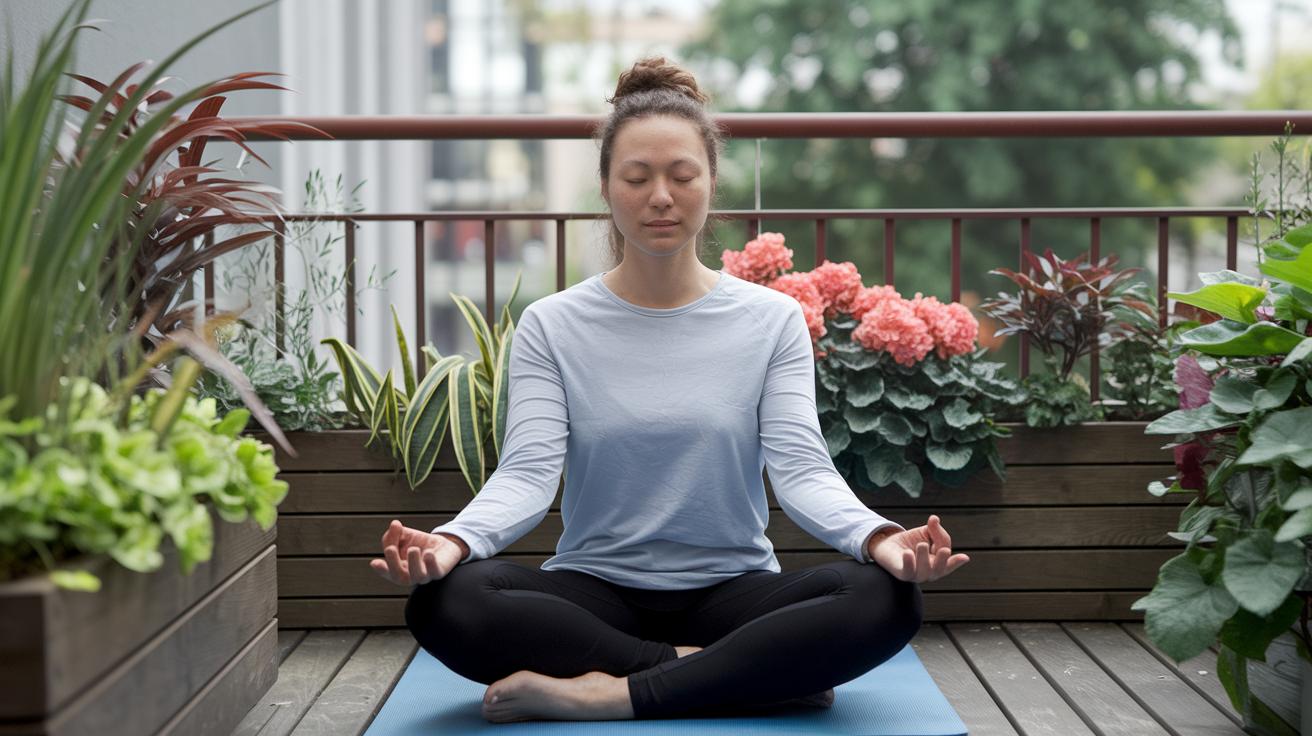
Taking time to relax is more than just a break, it helps lower your blood pressure, sharpens your focus, and boosts your overall well-being. Even a short pause can help drop cortisol, the stress hormone, which, when left too high, may lead to problems down the road. Research shows that simple relaxation methods can ease feelings of overwhelm and brighten your day.
There are many easy ways to keep stress at bay. These calming strategies give you a quick reset whether you're at work or at home. Consider trying:
- Deep breathing exercises to slow your heart rate
- Meditation to clear your mind and find peace
- Progressive muscle relaxation to ease tension in your body
- A stroll in nature to refresh your senses
- Creative activities like drawing or writing to express yourself
- A quick five-minute work break to renew your focus
- Occasional digital detox breaks to prevent mental fatigue
Adding these small practices into your daily routine can help you feel calmer and more productive. Not only will you support your heart and mood, but you'll also build natural protection against the downsides of long-term stress. If you’re seeking trusted techniques for easing anxiety, check out resources on stress management. These little changes can turn relaxation into an enjoyable, essential part of your everyday life.
Stress Relief Techniques for Better Relaxation
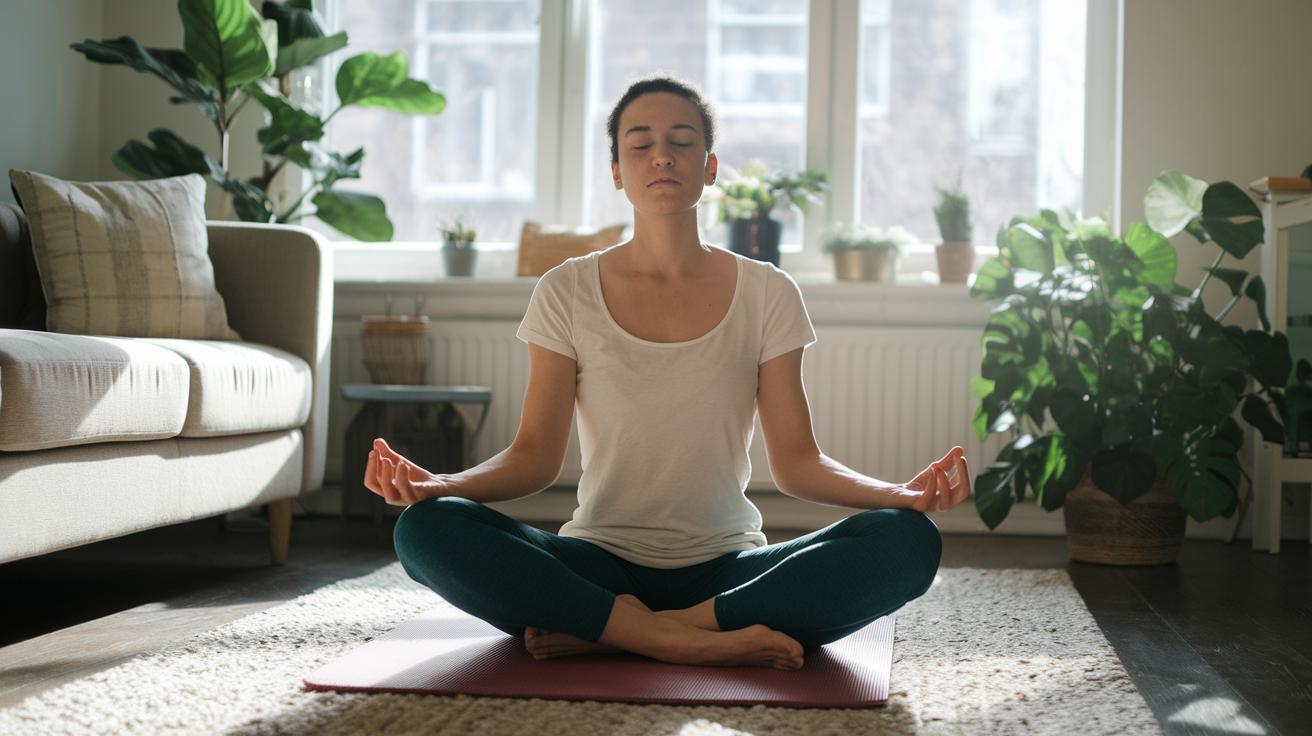
Taking a moment for deep breaths and short breaks can help lower cortisol, the stress hormone that, when too high, can affect your heart and mood. Just pausing to focus on steady breathing can feel like a mini reset, easing that heavy stress off your shoulders.
When you step away from screens or work for a few minutes, it’s like giving your mind a quick refresh. Try closing your eyes and taking five slow, deep breaths. It’s a simple way to shake off the tension and regain a calm focus.
By making these small breaks a regular part of your day, you can invite a steadier, more relaxed vibe into your life. This little practice of mindfulness and digital downtime not only helps keep stress in check but also lifts your mood and energy, helping you face everyday challenges with a cool head and a light heart.
Mindful Practices to Enhance Effective Relaxation
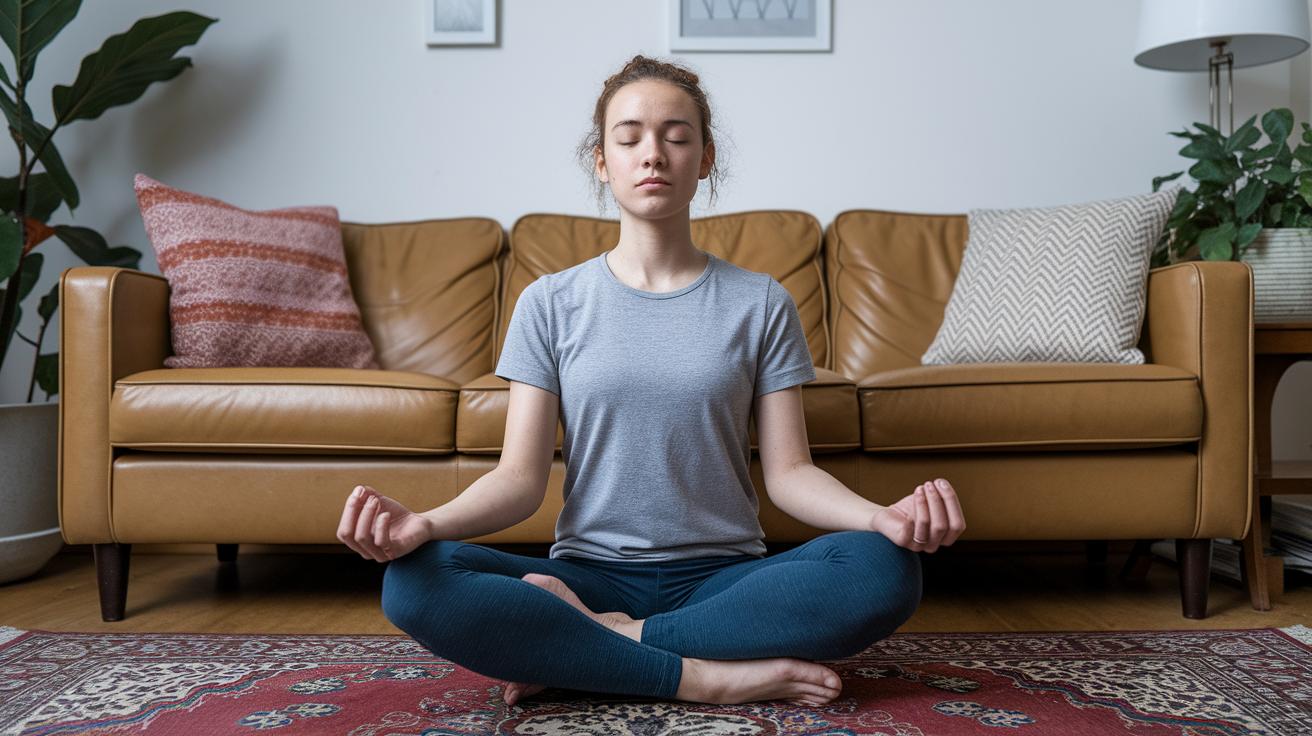
One simple way to relax is to try a guided meditation. Picture yourself settling into a cozy spot, closing your eyes, and watching your thoughts drift by like leaves on a quiet pond. This easy method helps lower stress and boost your focus. Try taking a few slow breaths, really noticing the rhythm of your breathing in and out. You might even say to yourself, "Sit quietly, breathe slowly, and let each thought float by like a passing cloud."
Next, give body scanning a try. Start with your toes and move up slowly, paying attention to how each part of your body feels. Tense a group of muscles for a few seconds, then let them relax, and feel the clear difference between tightness and ease. This step-by-step process builds a strong connection between your body and mind. For example, think, "Focus on your calves, relax, then move to your thighs, and continue this until you reach your head."
Making these mindful exercises a part of your day can really improve your mood and mental well-being. With regular practice, you may find that you concentrate better and feel less overwhelmed by everyday stress. It's a simple set of steps that can make a big difference on your journey to feeling calmer and more centered.
Deep Breathing Exercises as Wellness Tips for Relaxation
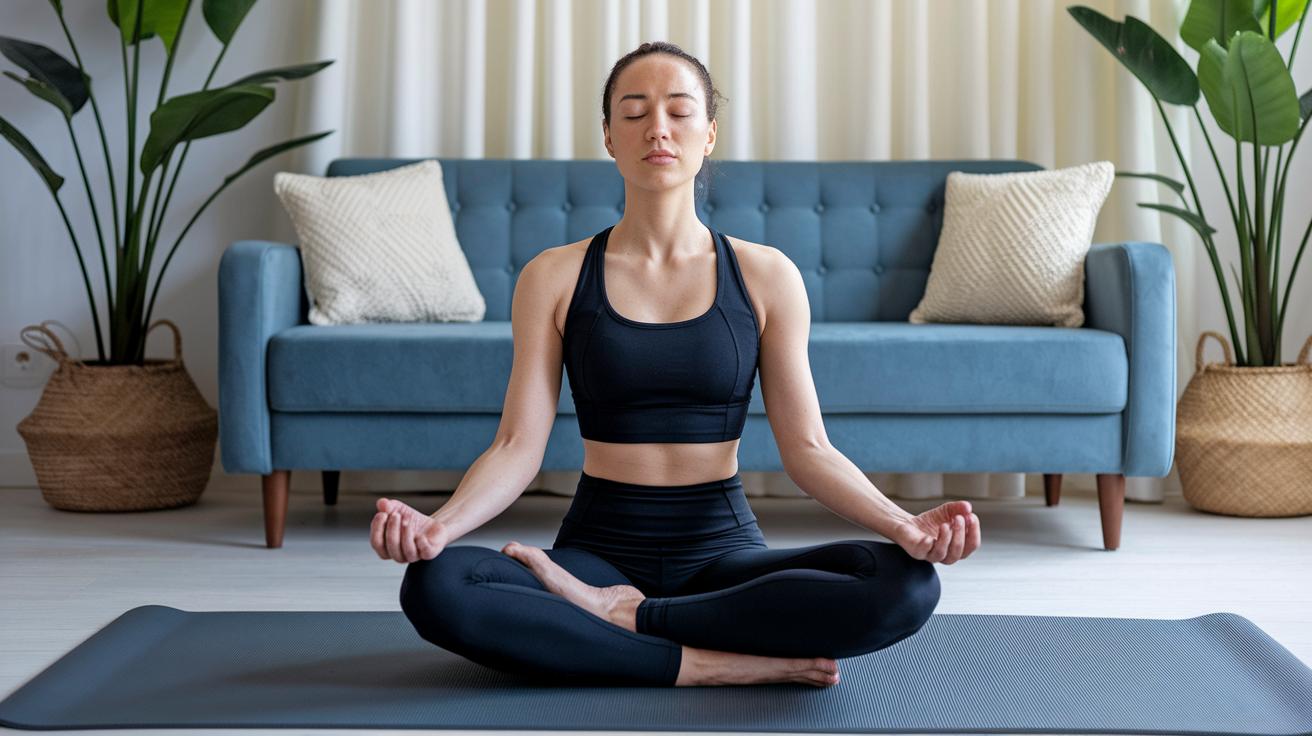
Deep breathing is a simple way to invite calm into your day. It helps slow your heart and lowers stress chemicals, making it easier to relax and even sleep better. One popular method is the 4-7-8 technique: breathe in for 4 seconds, hold for 7 seconds, then slowly let the breath out for 8 seconds. Doing this for about 5 minutes twice a day can really help, even if you sometimes feel anxious or if you’re a senior.
Taking a few moments to focus on your breathing also helps clear your mind. When you pay attention to each gentle breath, it feels like pressing a reset button in the middle of a busy day. These small steps can ease tension and turn a stressful moment into a chance to relax.
- Find a quiet spot where you feel comfortable.
- Practice the 4-7-8 breathing pattern slowly.
- Focus on the rise and fall of each breath.
- Try it for 5 minutes, twice a day.
Progressive Muscle Release Techniques for Tension Relief
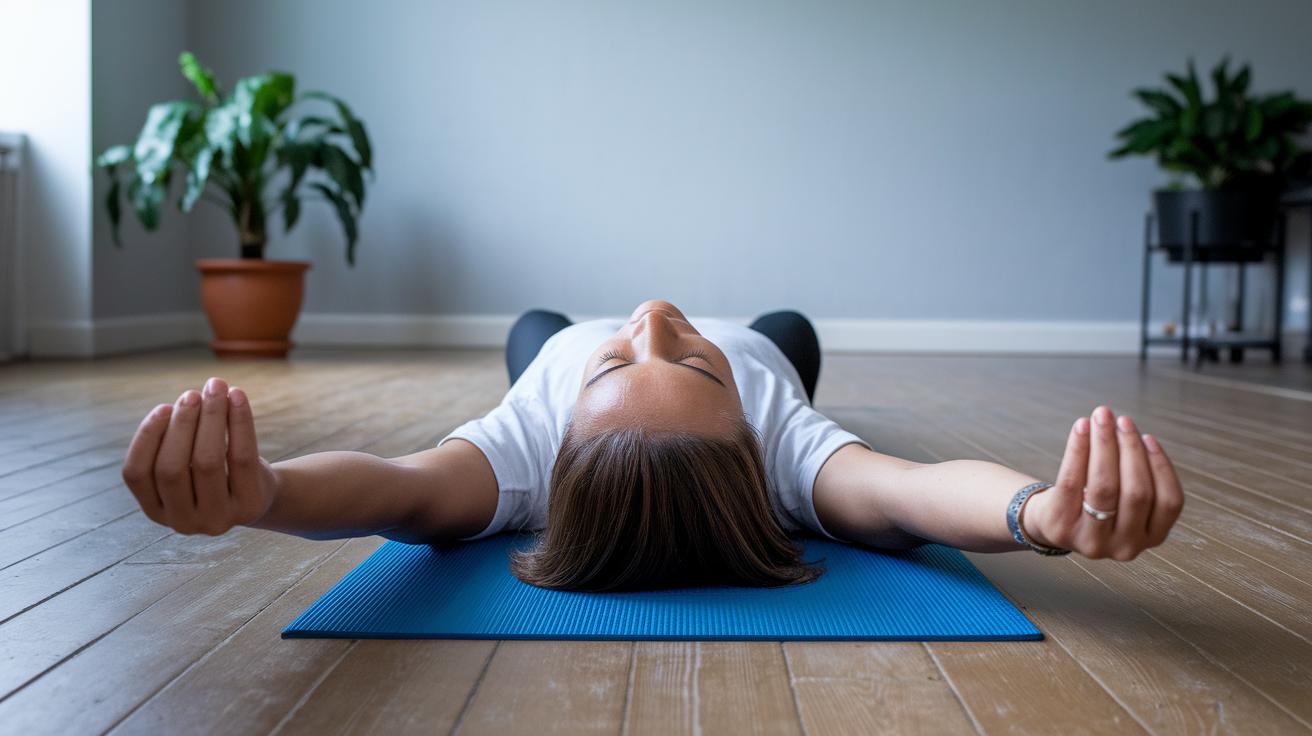
PMR is a simple method that helps ease tight muscles by first tensing them briefly and then slowly letting go. It lets you feel the real shift from strain to ease.
Try to sync your breathing with each movement. For example, you might think about how one person noticed their heart rate dropping after just a few minutes of PMR, much like a car smoothly shifting gears.
Studies show that tensing your muscles can lower stress levels in your body. If you find a muscle group stays tight, you might be tensing too much or not releasing slowly enough. In practice, breathe in as you tense and breathe out deeply as you relax.
If one spot feels stubborn, pause and repeat the cycle gently. Adjust how long you hold the tension or slow down the release until it feels right. This small tweak can help your session work better to ease away built-up tension.
Yoga Poses for Easing Tension and Effective Relaxation
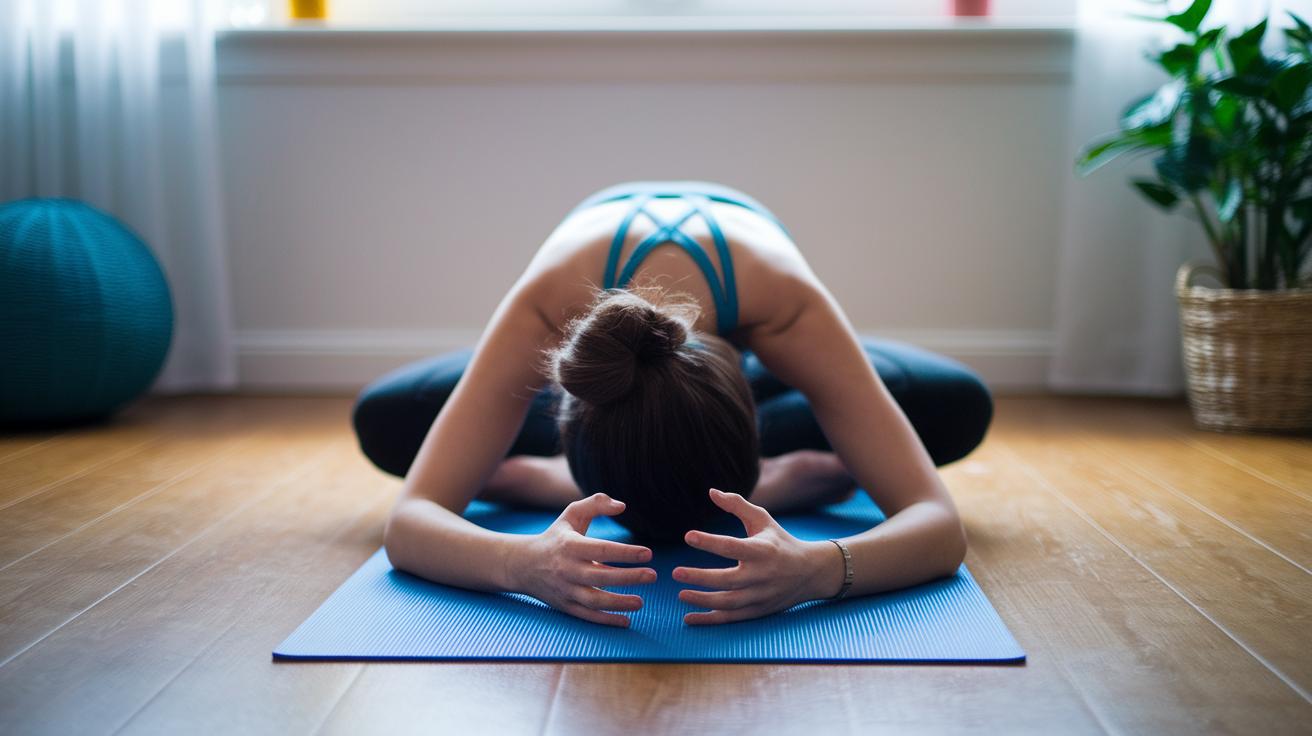
Yoga poses gently unwind both your body and your mind. When you settle onto your mat, each pose guides you into a calm state, helping you let go of stress and tension. Simple poses like Child's Pose and Legs-Up-The-Wall help open your body and send a message to relax those tight muscles after a long day.
Forward Fold, Cat-Cow, and Reclining Bound Angle are great for releasing built-up tension. Picture easing into a Forward Fold while gravity softly pulls your upper body forward. Then try the smooth, flowing motion of Cat-Cow, which gently soothes your back through a natural rhythm. Holding these positions for a few minutes allows your body to settle into a state of relaxation and helps lower stress hormones over time.
Regularly practicing these yoga exercises can boost your mental well-being while filling your day with a peaceful joy. Each session gives you a moment to pause, breathe deeply, and reconnect with yourself. So, take a few minutes on your mat, you might find that simple movements transform your tension into a lasting sense of peace.
Aromatic Oil Therapy Tips for Effective Relaxation
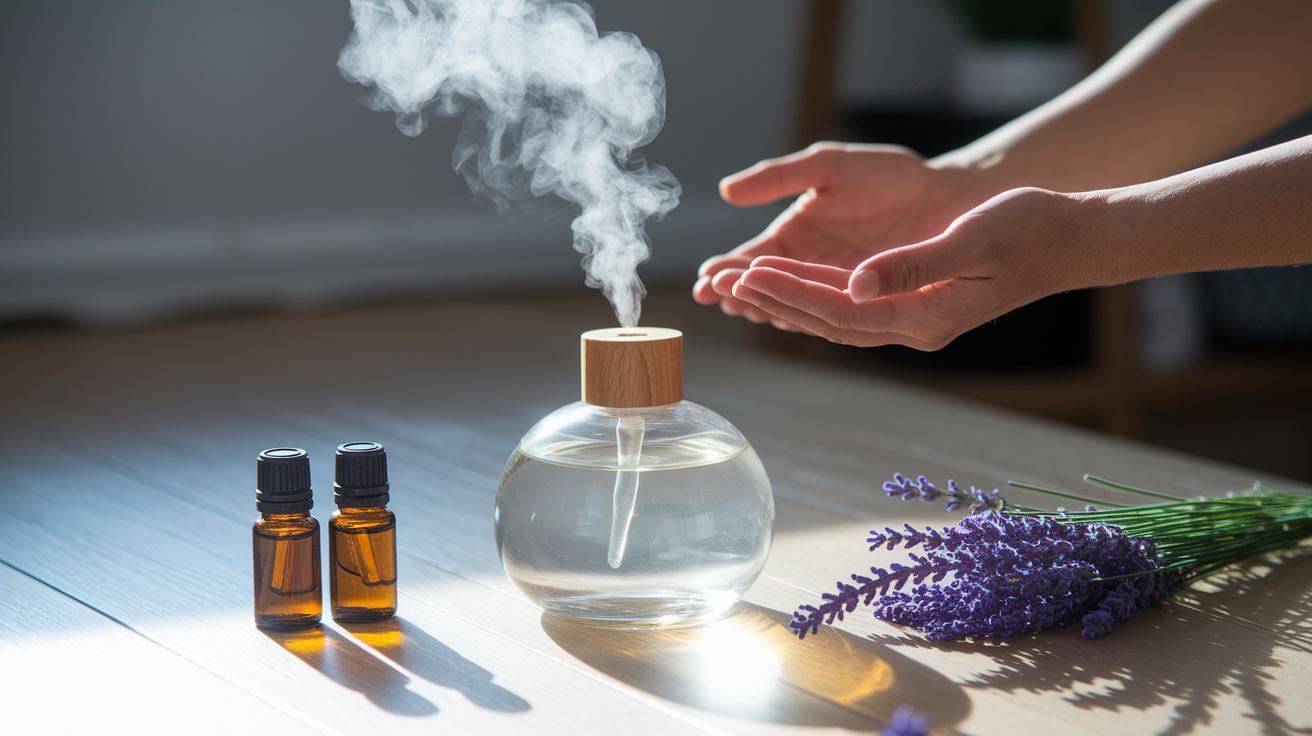
Aromatic oil therapy uses nature’s scents like lavender, chamomile, and bergamot to help lower stress and ease tension. When used correctly, these oils can even boost your mood and help you sleep better. Imagine putting three drops of lavender in your diffuser for about 15 minutes, letting its gentle aroma wrap around you like a soft blanket.
It’s important to use these oils safely. Always mix three to five drops of your chosen oil with a carrier oil before dabbing it on your skin, so it calms without causing irritation. Alternatively, diffusing for 15 to 20 minutes can create a deep sense of relaxation and help manage stress.
Adding this practice to your daily routine can make even hectic days feel a little easier. Think of gently applying a diluted blend on your wrists while taking slow, mindful breaths. This simple, safe method not only pairs well with other relaxation techniques but also turns your routine into a personal retreat, filling your day with calm and joy.
Crafting Self-Care Routines for Sustained Effective Relaxation
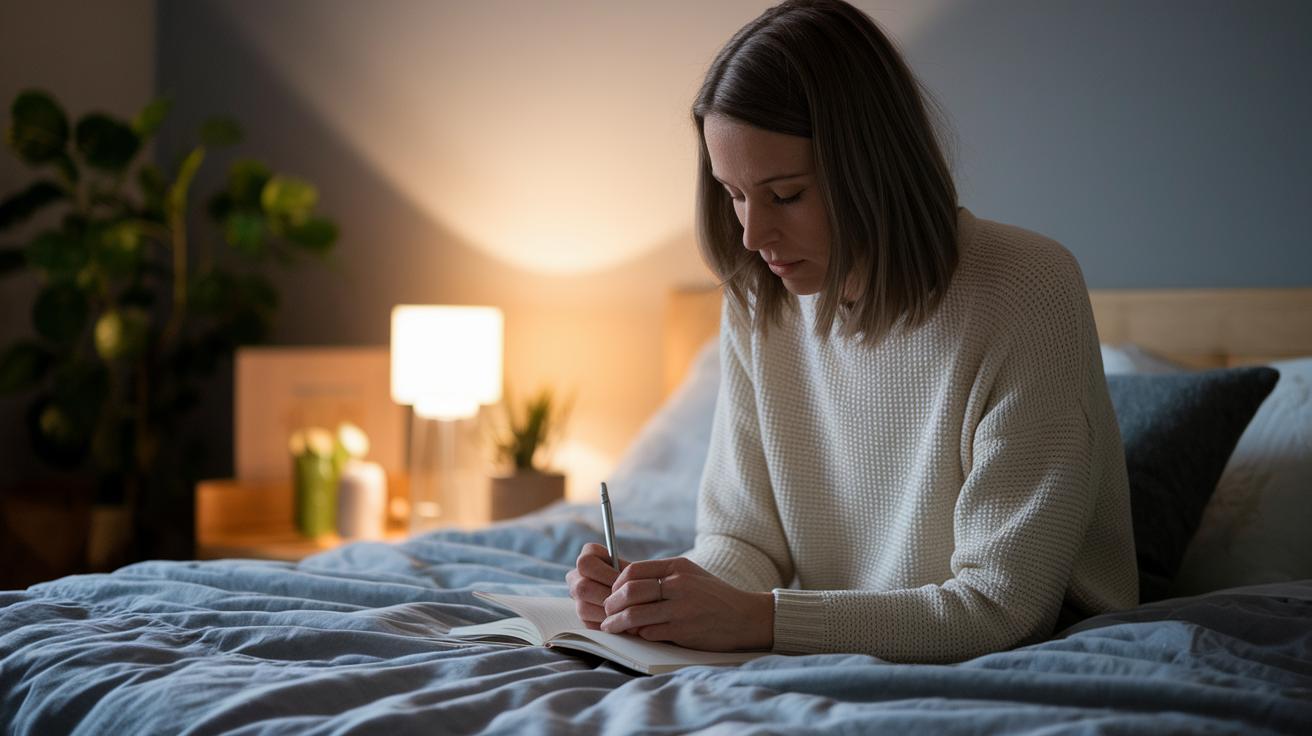
Close your day with easy self-care habits that help you let go of stress. Maybe spend a quiet moment journaling or noting down what you feel grateful for. This little habit can clear your mind, much like recalling a warm, cherished memory, and help you feel calm before sleep. You could even take a short 10-15 minute nap or enjoy a few minutes of quiet reflection to sweep away mental clutter.
Having a steady bedtime routine can really improve how well you sleep. Try setting aside 30-45 minutes before bed to do relaxing things you enjoy. For example, sip a cup of warm chamomile tea to gently ease from wakefulness to sleep. Let this peaceful time be a planned pause in your day, one that tells your mind it's time to settle down. Instead of a last-minute rush, make it a natural part of your routine.
Tweaking your wellness habits can help keep stress at bay and support lasting relaxation. Mix and match different routines until you find what feels best, whether it's a gentle stretch or soft background music as you write down your thoughts. These calming daily practices not only prepare you for rest; they also build a foundation for a more balanced, serene life every day.
Designing a Personal Sanctuary with Wellness Tips for Relaxation
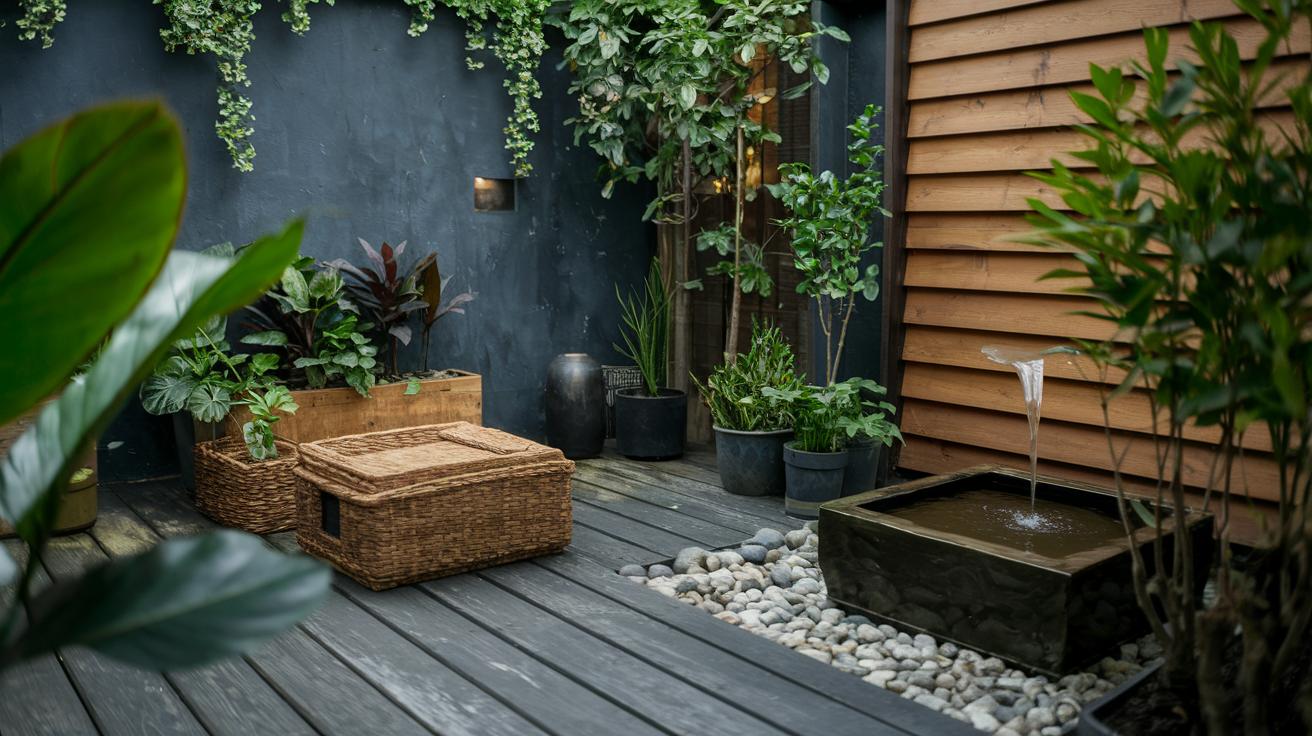
When you design a quiet haven at home, you create a space that tells your mind it’s time to relax. Picture a room with gentle, low lighting and not much clutter, a snug spot where everyday stress quietly fades away. Adding natural touches like some houseplants or a small water fountain can boost that calm feeling, much like the peace of a quiet forest clearing.
It also helps to look at how much time you spend on screens. Try turning off your devices 30 minutes before bed. You might set a timer as a reminder, then step outside for a few minutes to listen to nature or enjoy soft music. These small breaks give your mind a chance to unwind and reset after too much digital stimulation.
Mixing these ideas into your daily routine can make relaxation a natural habit. By setting aside a special spot just for unwinding, you remind yourself of the importance of taking it easy. Over time, these small changes, like dimming the lights and stepping away from screens, can transform your home into a lasting haven of calm.
Final Words
In the action, this article explored simple yet powerful ways to lower stress through clear, everyday strategies. We looked at mindful practices, deep breathing, progressive muscle techniques, yoga poses, aromatic oil therapy, and more.
• Deep Breathing Techniques
• Progressive Muscle Release
• Guided Meditation
• Mindful Self-Care
• Yoga Poses
• Aromatic Oil Therapy
• Creating a Personal Sanctuary
Embracing these wellness tips for effective relaxation can boost your mood, focus, and overall well-being, helping you feel relaxed and renewed every day.
FAQ
How to relax mind from stress?
What are relaxation techniques in psychology?
What are some quick relaxation techniques for anxiety?
What are effective ways to relax, including techniques like 10 ways to relax or 5 healthy ways to reduce stress?
- Deep breathing exercises
- Mindfulness meditation
- Progressive muscle relaxation
- Gentle stretching or yoga
- Nature walks
- Listening to soothing music
- Creative hobbies
These methods help lower stress and promote overall well-being.