
Ever feel like your workout isn’t sparking that extra energy? Try mixing in short bursts of hard effort with quick rests. This is known as HIIT, where you switch between fast, intense moves and brief recovery periods. It’s like a mini-action scene that leaves you feeling charged and ready to go. In just a few minutes, you can boost your fat burning, build endurance, and improve your overall fitness.
HIIT Workout Defined: What It Is and Core Principles
HIIT stands for high intensity interval training (a workout that mixes short bursts of hard exercise with brief breaks). In a HIIT session, you push your body by doing exercises like sprinting, burpees, or jumping jacks for a short time, then pause to catch your breath. This back-and-forth pattern keeps the workout interesting and effective. Imagine running at full speed for 30 seconds and then walking slowly for another 30 seconds, it’s like a quick scene change in an action movie.
HIIT workouts are perfect if you're short on time. You can get a powerful session in just 20 minutes that works like a longer steady workout, helping you boost your metabolism, burn calories, and improve your overall fitness. Every minute counts, giving you a burst of energy that leaves you feeling refreshed and ready to take on the day.
Key HIIT Workout Benefits for Fat Loss and Cardio Health

HIIT workouts offer more than just a burst of energy. They help you burn lots of calories quickly because of the push-and-recover style. This trick not only burns calories during your workout but also keeps your body burning energy for hours after you finish. Every time you push hard, your body uses more fat for energy and even helps preserve and build muscle.
- Quick calorie burn from short, intense bursts that beat regular cardio (check out these weight loss cardio workouts).
- A boost in your afterburn effect, meaning your metabolism stays high long after your workout.
- Better VO2 max, which is just a fancy way of saying you build endurance for everyday activities.
- Improved fat loss as your body learns to use fat for fuel.
- Muscle preservation, so you can stay strong and toned even as you lose fat.
- Lower blood pressure and a slower resting heart rate that support heart health.
- A super quick workout option, perfect if you only have 20 minutes or less.
- Greater metabolic flexibility, which makes it easier for your body to switch between energy sources.
Many people love HIIT because it mixes fast calorie burn with big heart benefits. Not only do you lose fat during the workout, but you also get lasting benefits like better metabolism and improved heart health. It’s a smart way to get fit and feel great.
Structuring a HIIT Workout: Methodology and Session Flow
A good HIIT workout session starts with a warm-up, moves into fast bursts of exercise and short breaks, then finishes with a cool-down. Begin with 5 to 10 minutes of gentle warm-up to get your heart pumping. Next comes the hard work of high-intensity bursts followed by little recovery periods. End with about 5 minutes of cool-down to slowly lower your heart rate. In total, your workout should last between 20 and 45 minutes. If you want some ideas on building your own routine, there are plenty of guides available online. Setting a clear time frame for each part helps keep your workout safe and effective.
When choosing how long to push yourself and rest, think about your personal comfort. Work periods might be as short as 15 seconds or continue up to 4 minutes. For example, a common setup is 30 seconds hard work then 30 seconds of rest. This quick exchange can boost your speed, power, and calorie burn. Longer work sessions can help build endurance while still giving your metabolism a good kick. Try starting with 20-second bursts and matching them with 20 seconds of rest, then switch things up as you get stronger. This gradual approach lets your body adjust and lowers the chance of injury.
Picking the right exercises is key to a solid HIIT routine. Many people go for cardio moves like sprinting, burpees, or jumping jacks to really get the heart rate up. Others include moves such as bodyweight squats or lunges to work their muscles more. Sticking mainly with cardio might help you burn more calories, while mixing in other moves can offer a better overall workout. As you progress, slowly increase the challenge by adding new movements or a bit of resistance. This method keeps your sessions exciting and matches your growing fitness.
what is hiit workout: Supercharge Your Routine

HIIT stands for high-intensity interval training. It’s a workout that mixes short bursts of hard effort with periods of recovery. You can do it at home or at the gym, making it super flexible. At home, you might choose moves like burpees or high knees that quickly raise your heart rate, even in a small space. These exercises keep your session lively and fun.
In the gym, you get to use machines like treadmills or rowing equipment to add more variety. This way, you can adjust the intensity to match your energy and available tools. The mix of bodyweight moves and machine work helps build endurance and burn calories fast.
| Setting | Exercise | High-Intensity Duration | Recovery |
|---|---|---|---|
| Home | Burpees | 30 sec | 30 sec |
| Home | High Knees | 45 sec | 15 sec |
| Gym | Treadmill Sprints | 1 min | 1 min |
| Gym | Rowing | 40 sec | 20 sec |
Safety Guidelines and Recovery Best Practices for HIIT
Before you dive into a HIIT workout, take some time to warm up. Start with gentle movements that slowly prepare your muscles and joints, much like easing into a cool shower. As you get comfortable, you can gradually increase the intensity and duration of your exercises. This careful build-up not only gets your body ready but also helps you avoid strains and injuries.
After your HIIT session, recovery is key. Cool down with light activity and a good stretch to ease out any muscle tightness while letting your heart rate settle back to normal. Listen to what your body tells you, even if you feel some discomfort, learn to tell when it might be a sign to slow down. Giving your muscles time to repair will make your next workout safer and more enjoyable.
Modifying HIIT Workout Sessions for All Fitness Levels
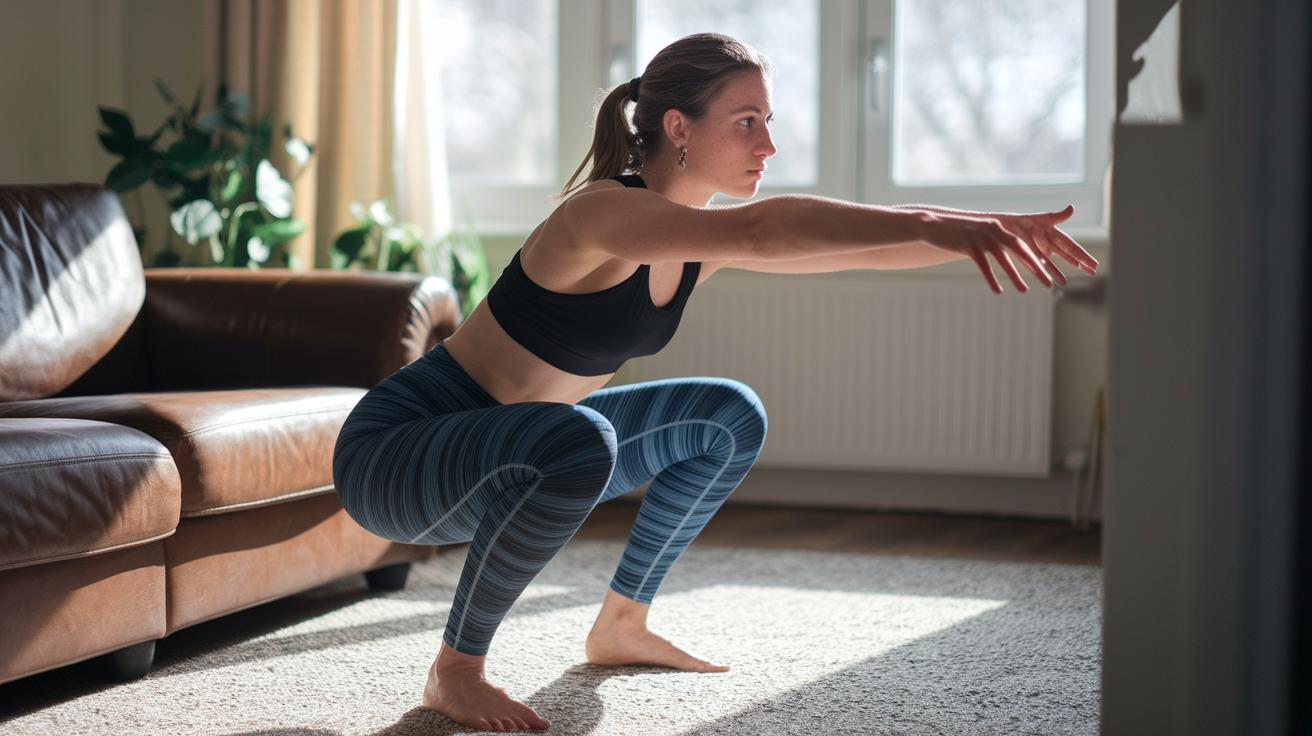
HIIT workouts can be changed to suit your current fitness and what your body needs. Whether you’re exercising in a small space or need a workout with low-impact moves, you can easily adjust how intense your session is. This way, anyone, whether you’re just starting or you’ve been training for years, can safely enjoy a HIIT workout.
Beginner HIIT Modifications
If you’re new to HIIT, try shortening your active bursts to 15–20 seconds and lengthening your rest breaks. Pick simple moves like gentle body-weight squats or step-ups that are easy to control. This approach is great if you’re just beginning or want to work out at home. Looking for more ideas? Check out these workout routines for beginners at home.
Intermediate Session Strategies
If you’ve built some stamina, step up the challenge by doing work bursts for 30–45 seconds and cutting your rest periods a bit shorter. Add moves like moderate jump squats or quick lateral steps to give your body a fun but manageable push. These tweaks help keep your routine fresh and effective as you continue to build your endurance.
Advanced Variations
For a tougher workout, try extending your work intervals to one or two minutes with shorter breaks in between. You might even include weighted moves or mix in some complex circuits. This not only challenges your body more but also helps you burn more calories and build strength in a dynamic way.
Final Words
In the action of getting fit, we’ve explored what is hiit workout, learning its core burst-and-recovery approach that delivers efficient calorie burn and heart benefits. We talked about planning sessions, from home or gym, and the importance of safety and recovery. Adjusting exercises for all fitness levels means anyone can enjoy a quick, secure workout that fits their routine. Keep making smart choices, stay positive, and let every session propel you closer to optimal well-being.
FAQ
What is HIIT workout good for?
The HIIT workout is good for boosting metabolism, burning calories, and improving cardiovascular health. It alternates short bursts of intense exercise with recovery phases to maximize benefits in minimal time.
What is a HIIT workout routine?
The HIIT workout routine involves alternating periods of intense exercise with short breaks. It can be completed in about 20 minutes, offering a quick, efficient way to improve fitness.
What is HIIT workout for weight loss?
The HIIT workout for weight loss focuses on burning calories quickly and increasing your metabolic rate. This method shifts energy usage from carbohydrates to fat, helping reduce body fat effectively.
How can HIIT be designed for beginners?
HIIT for beginners means starting with shorter bursts of activity, longer recovery periods, and simpler movements. This approach builds endurance safely while reducing injury risk and excessive strain.
What are the disadvantages of HIIT training?
HIIT training disadvantages include a higher chance of injury if performed without proper form and recovery, along with potential joint strain and muscle soreness if overdone without adequate rest.
Where can I find a HIIT workout plan PDF?
A HIIT workout plan PDF is often available on fitness websites and online resources. These downloadable guides break down session structure, exercise selection, and recovery tips for a balanced routine.
What exercises are included in a HIIT exercises list?
The HIIT exercises list may include burpees, high knees, lunge jumps, running in place, and stair sprints. These moves raise heart rate fast and can be adjusted for various fitness levels.
How do I do HIIT workouts?
To do HIIT workouts, start with a warm-up, then perform intense exercise intervals followed by brief recovery phases, and finish with a cool-down. This structure maximizes calorie burn and fitness gains.
What is considered a HIIT workout?
A HIIT workout is any session that alternates between high-intensity bursts and recovery periods. Its structure can vary, but it always focuses on short, intense activities paired with rest.
Is 20 minutes of HIIT a day enough?
Twenty minutes of HIIT is enough for many due to its intensity and afterburn effects. This short workout session can deliver benefits similar to longer cardio sessions when performed with proper effort.
Is HIIT better than cardio?
HIIT is often preferred over traditional cardio because it burns more calories per minute and boosts metabolism after the session. Its time efficiency makes it a strong option for busy individuals.
Does HIIT help lose belly fat?
HIIT helps lose belly fat by increasing overall calorie burn and stimulating fat metabolism. The combination of intense activity and recovery periods targets stubborn fat effectively when done regularly.