
Have you ever thought that nature might have the key to better health? Ayurvedic medicine is an old tradition that uses natural herbs to support both your body and mind. Imagine these herbs as little helpers that ease stress and assist with digestion so you can stay balanced every day. In this post, you'll get a clear list of ten natural herbs with simple tips on how to use them and reasons they work so well. Get ready to learn how you can naturally boost your energy and feel amazing.
Comprehensive Ayurvedic Medicine List

Taking care of your body, mind, and spirit is key to feeling your best. This guide shares ten trusted Ayurvedic herbs that have helped many people for centuries. These natural remedies can support stress relief, improve digestion, boost clarity, and increase overall energy. In the table below, you’ll see each herb’s botanical name, how it’s usually used, the typical dosage, and its main benefits.
| Medicine | Botanical Name | Common Uses | Typical Dosage | Key Properties |
|---|---|---|---|---|
| Ashwagandha | Withania somnifera | Helps with stress by acting like a natural relaxant | 300-500mg daily | Improves resilience and eases tension |
| Boswellia | Boswellia serrata | Supports joints and reduces inflammation | 300-400mg daily | Reduces inflammation and calms joint discomfort |
| Triphala | Emblica officinalis, Terminalia chebula, Terminalia bellirica | Helps keep your digestion on track | 1-2 tsp powder daily | Detoxifies and regulates digestion |
| Brahmi | Bacopa monnieri | Supports a clear mind and good memory | 300mg extract daily | Boosts memory and calms the mind |
| Cumin | Cuminum cyminum | Aids digestion and eases gas | ½-1 tsp daily | Helps with smooth digestion and reduces gas |
| Turmeric | Curcuma longa | Supports liver function and acts as an antioxidant | 500-2000mg daily | Fights oxidation and supports liver health |
| Licorice | Glycyrrhiza glabra | Provides comfort for respiratory and stomach issues | 250-500mg extract daily | Soothes irritation and aids digestion |
| Gotu kola | Centella asiatica | Helps keep the brain sharp and supports circulation | 300-500mg extract daily | Boosts cognition and supports blood flow |
| Bitter Melon | Momordica charantia | Helps balance blood sugar levels | 200-300mg extract daily | Balances blood sugar and offers antioxidant benefits |
| Cardamom | Elettaria cardamomum | Helps with circulation and digestion | ½ tsp ground daily | Boosts metabolism and aids digestion |
Each person’s needs can be different, so it’s best to talk with a qualified practitioner to find the right dosage for you.
Historical Origins and Cultural Significance of Ayurvedic Medicines

Ayurveda is an ancient healing tradition that began more than 5,000 years ago in India. It started along the Himalayan foothills and spread down to the Malabar Coast. Early healers recorded their natural remedies in texts like the Charaka Samhita and Sushruta Samhita, and these writings have helped guide natural health practices for generations.
At its core, Ayurveda teaches that our world is made up of five basic elements: earth, water, fire, air, and ether. It also introduces Agni, which is the digestive fire (a spark inside us that turns food into energy). Traditional healers believed that when Agni is balanced, both our body and mind stay healthy. They prepared special herbal blends from local plants, with recipes that have been handed down through families over the years.
Ayurvedic practitioners also embrace sound as a healing tool. They believe in the power of mantras, simple chants that create calming vibrations to help balance the body. Think of it like the gentle, steady hum of a soothing melody that can ease your mind.
Unlike Western medicine, which often uses a one-size-fits-all approach, Ayurveda sees every person as unique. Each individual receives a personalized herbal mix that fits their own body type. This personalized touch highlights Ayurveda’s deep cultural roots and offers a thoughtful, tailored way to achieve well-being.
Ayurvedic Medicines for Specific Conditions
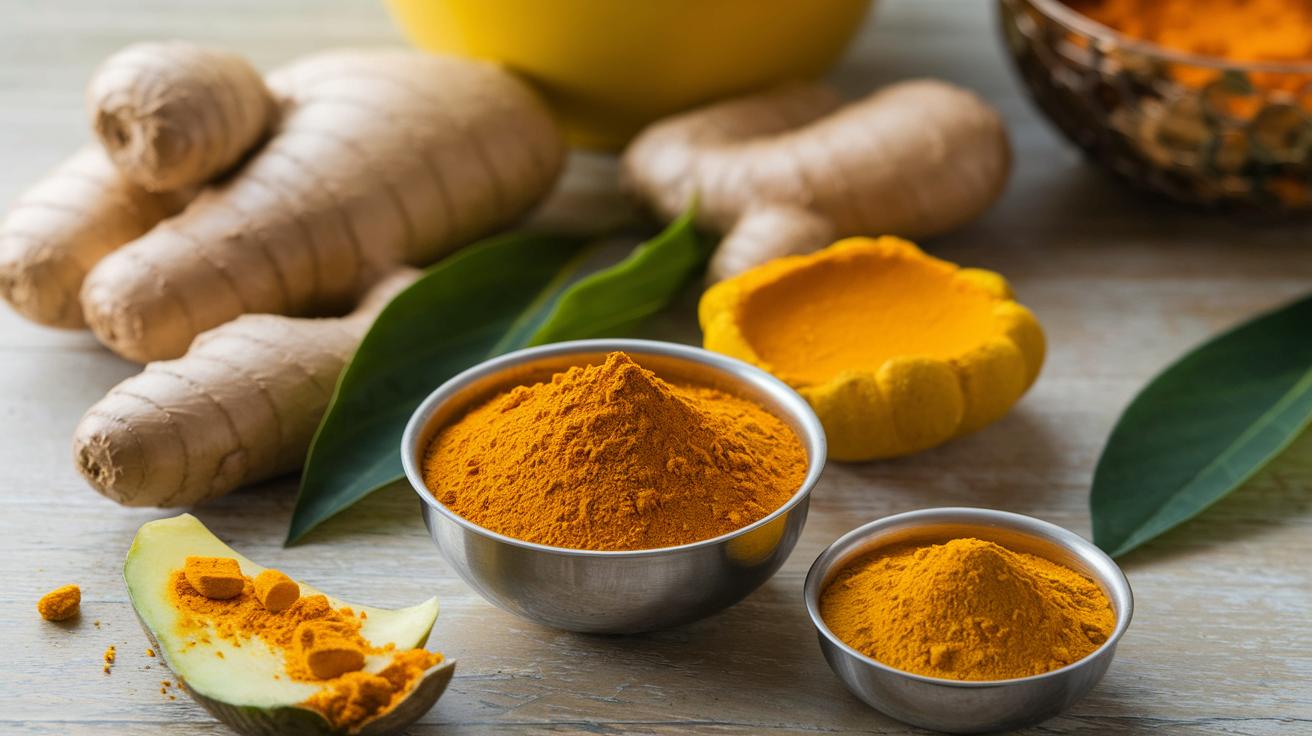
Ayurveda pairs natural herbs with specific needs so that each one can work in its own way to ease discomfort and boost your well-being. Practitioners use simple ideas passed down through generations to match herbs with clear symptoms, whether it's for digestion or clearing your mind. A friend once said, "Using the right herb is like adding the final spice to a dish." That little image shows how picking the perfect herb can bring everything into balance.
- Digestive Health: Triphala, Cumin, Ginger
- Immune Support: Amla, Turmeric
- Stress & Sleep: Ashwagandha, Brahmi
- Cognitive & Longevity: Gotu kola, Shankhpushpi
These lists act as handy guides for different health challenges. When your stomach feels off, Triphala and cumin work together like favorite ingredients in a family recipe. Amla and turmeric not only give you a burst of vitamin C but also help keep seasonal colds at bay. If you have trouble winding down, try Ashwagandha and Brahmi to help calm your mind. And when you need to stay sharp during a long day, Gotu kola and Shankhpushpi can help keep your thoughts clear.
By sorting herbs into these groups, Ayurveda builds a natural plan that fits your body’s unique needs. It’s a simple, gentle way to support lasting health.
Dosha-Aligned Ayurvedic Medicine Recommendations
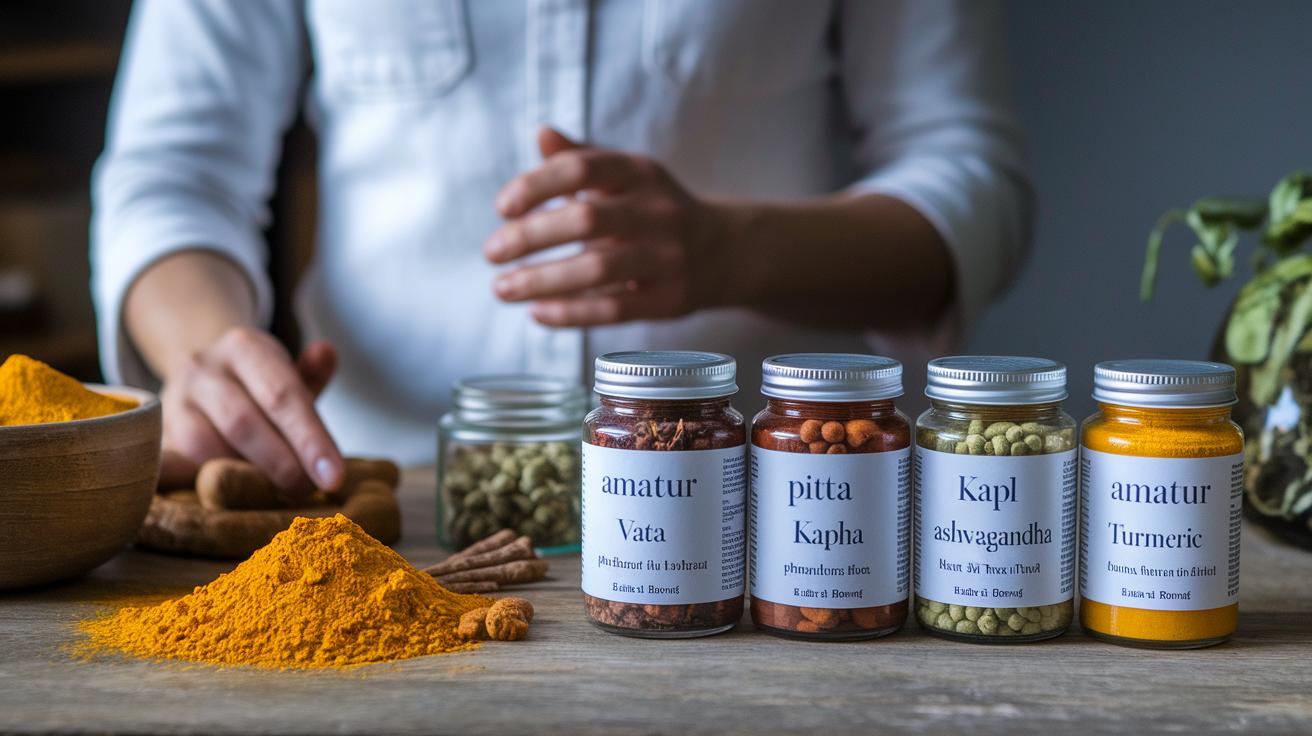
In Ayurveda, doshas are the key energies that shape how we feel and think. They act like a personal map, showing how our body deals with food, stress, and our surroundings. When we balance these doshas, life feels more in tune and healthy.
Each dosha has its own traits and needs its own herbs. For example, if you have a Vata type, grounding herbs can help calm a busy mind and body. Pitta types benefit from cool botanicals that ease extra heat, while Kapha types find warmth-boosting herbs that kick-start their metabolism. Think of this herbal advice as a personal guide that brings harmony to your everyday life.
| Dosha | Recommended Herbs | Primary Benefits |
|---|---|---|
| Vata | Ashwagandha, Haritaki | Calms nervous energy and builds stability |
| Pitta | Neem, Turmeric | Soothes excess heat and eases inflammation |
| Kapha | Triphala, Ginger | Boosts metabolism and aids digestion |
For a truly customized plan, chat with an Ayurvedic practitioner to get your dosha assessed.
Preparation Methods and Dosage Guidelines for Ayurvedic Medicines
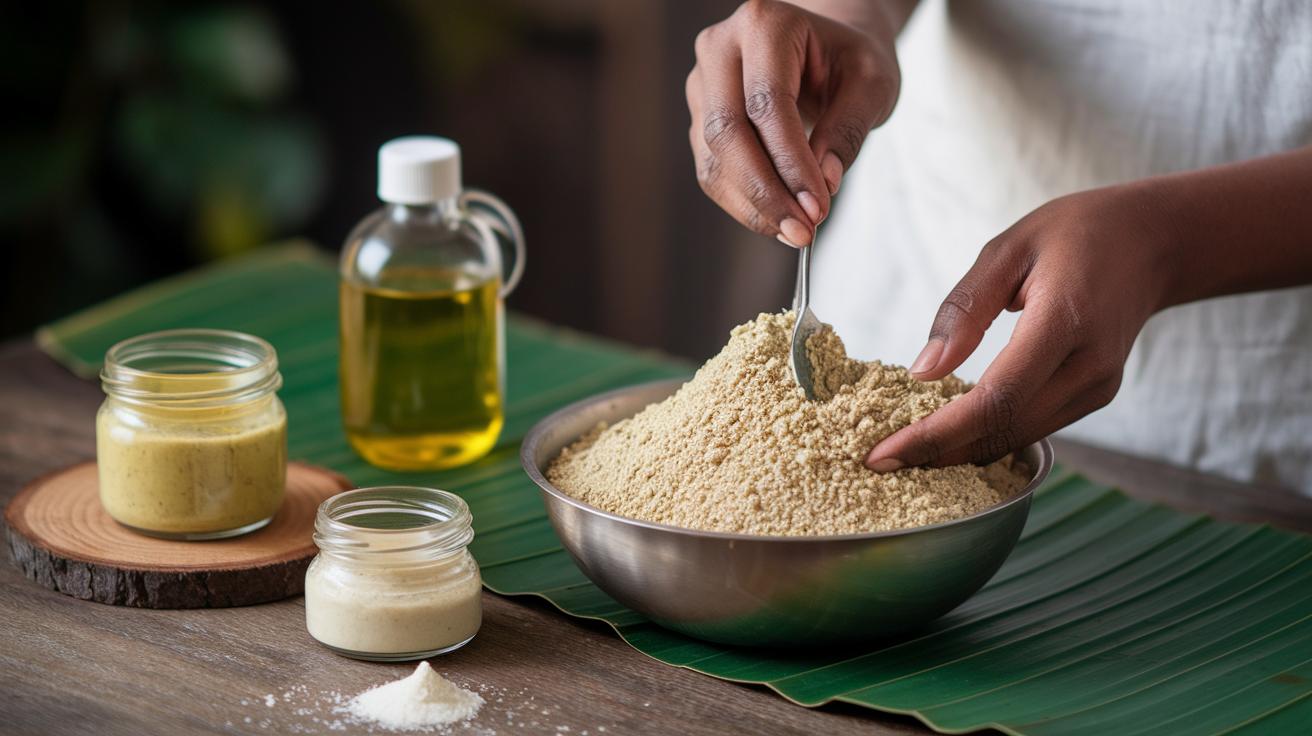
Ayurveda uses time-tested methods to create remedies that work in tune with your body’s own digestive fire. The process is designed to bring out the best in natural herbs while fitting your unique needs. These traditional techniques have been refined over many generations to be both powerful and simple to use.
Here are some common forms of Ayurvedic medicines:
| Form | Description |
|---|---|
| Churna | Finely ground herbal powders |
| Kwath | Herbal decoctions made by boiling herbs |
| Lepa | Therapeutic pastes prepared from blended herbs |
| Taila | Medicated oils infused with natural herbal compounds like those in neem |
| Lehyam | Herbal jams that mix plant extracts with natural sweeteners |
When it comes to taking these remedies, adults might normally use about 3 to 6 grams of Churna daily, and Kwath is usually taken in doses of 40 to 80 mL per day. The amount of Lepa and Taila depends on the area being treated and your specific health needs. Younger individuals or older adults might need adjusted amounts based on their body size and how strong their digestion is.
It’s always a good idea to talk with a qualified health professional to decide the best formulation and proper dose for you, ensuring that your treatment is both safe and effective.
Safety Considerations and Interaction Precautions in Ayurvedic Treatments

Ayurvedic remedies can gently support your well-being, but it's smart to be cautious when using them, especially at doses higher than what you'd normally add to your meals. While these herbs work safely in cooking, using concentrated amounts might sometimes lead to side effects. For example, licorice can raise blood pressure, and turmeric might change how your blood clots. They can also interfere with medications, like blood thinners, blood pressure drugs, or hormone treatments. That's why it's a good idea to stick with products that have been checked for purity and strength by trusted suppliers.
- Talk to an Ayurvedic expert
- Look into any herb-medication interactions
- Choose products from certified, clean sources
- Keep an eye out for any side effects
- Avoid high doses during pregnancy unless advised otherwise
Always double-check any product certifications before adding a new herbal supplement to your routine; this way, you can be sure that the natural remedies you rely on meet trusted quality standards.
Seasonal and Regional Variations in Ayurvedic Medicine Use
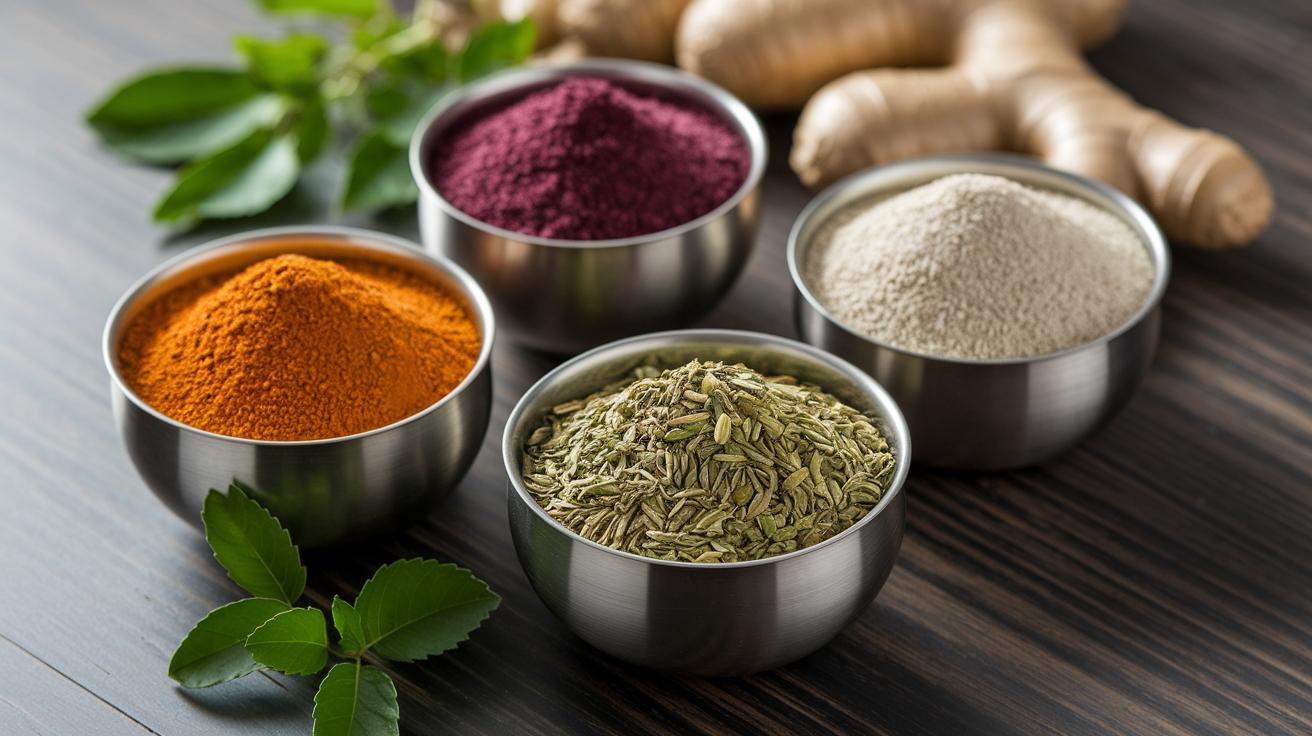
Ayurveda changes natural remedies with the seasons. It helps your body digest food better, clean out toxins, and refresh itself as the weather shifts. Herbs are chosen for their ability to support these changes, and they can vary depending on the local climate and available plants.
In spring, Triphala helps flush out impurities and jump-start your digestion. During summer, Amla cools you down and keeps you well-hydrated. When autumn comes, Neem works to cleanse and renew your skin. And in winter, Ginger warms your body and aids in digestion.
Local traditions matter too. In the cooler Himalayan regions, people often choose herbs that help bring cooling relief. On the Malabar Coast, the local spices are picked for their warming benefits. These remedies work hand in hand with nature’s rhythms to help you feel balanced all year long.
Digital and Educational Resources for Ayurvedic Medicine Lists

Digital Ayurveda is now a handy tool if you're looking for natural health tips. These days, websites and apps let you easily explore information about Ayurvedic herbs, much like flipping through a trusted cookbook to find a favorite recipe.
You'll find a few different kinds of resources:
- Sites that let you look up Ayurvedic plants and see what they do
- Telemedicine portals where you can chat with Ayurvedic experts
- Video libraries that offer simple advice for handling stress and ongoing health issues
- Mobile apps that help you quickly find natural remedies
When you check out these digital tools, be sure to pick ones that are updated regularly and backed by real practitioners. That way, you can feel confident about the guidance you receive.
Final Words
In the action, we explored a complete ayurvedic medicine list featuring ten key botanicals for varied health needs, touched on ancient origins, and examined condition-specific herbs.
We broke down dosha-based recommendations and shared simple preparation techniques along with dosage guidelines. Safety tips and modern digital resources also got a mention so you can make informed decisions that fit your routine.
It’s all about blending trusted, expert advice with everyday practices to boost your overall well-being.
FAQ
What are some key Ayurvedic medicines and their uses?
The Ayurvedic medicine list is a resource that covers herbal names, their diseases or conditions, and primary uses, such as stress relief with Ashwagandha, digestive balance with Triphala, and anti-inflammation with Turmeric.
What diseases can be addressed by Ayurveda?
The concept of curing in Ayurveda is about balancing the body, where herbal treatments help manage conditions like inflammation, digestion issues, and respiratory discomfort through individualized plant-based therapies.
Which herb is renowned as the king of Ayurveda?
The herb often termed as the king of Ayurveda is Ashwagandha, celebrated for its adaptogenic properties that support stress relief and overall vitality.
What constitutes Ayurvedic medicines?
Ayurvedic medicines include plant-based formulas, extracts, and herbal blends designed to restore body balance and support overall health using natural ingredients and traditional preparation methods.
Which Ayurvedic medicine is best suited for daily use?
The Ayurvedic medicine recommended for daily routine is often Triphala, recognized for promoting digestive balance and overall wellness when taken as a part of one’s everyday health regimen.