
Ever think about how your diet might shape your baby's future? When you're expecting, eating a balanced diet does more than just fill you up, it also helps you and your little one stay healthy. Try mixing foods rich in iron with those high in calcium, folate, and vitamin D to build a strong foundation for good blood health and strong bones. In this article, you'll see how simple food choices can boost your health and support your baby's growth during this special time.
Essential Nutritional Needs in a Balanced Diet for Pregnant Women
Pregnant women get extra help from key nutrients that keep both mom and baby healthy. Iron and calcium are very important. Iron helps build strong blood while calcium supports growing bones and teeth. Foods like lean meats, eggs, beans, and nuts are great for iron, and dairy products, tofu, and leafy greens add the calcium needed. Imagine having grilled chicken with steamed broccoli and a glass of milk.
Folate, sometimes called folic acid, is crucial for preventing problems with the baby’s nervous system. You can easily find folate in green leafy vegetables, fruits, whole-grain bread, fortified cereals, beans, and nuts. Picture this: before her first prenatal visit, Sarah tossed baby spinach and orange slices into her salad to add a healthy dose of folate.
Vitamin D is also important for the baby’s bones and teeth. We can get vitamin D from sunlight or from foods like oily fish, egg yolks, and fortified milk. Without enough vitamin D, moms might feel weak and babies could experience bone issues. Omega-3 fatty acids support the baby’s brain, nerves, and eyes. Foods such as salmon, sardines, walnuts, chia seeds, and flax seeds are excellent ways to get these healthy fats.
Iodine also plays a role in brain development, and having a mix of proteins, from meat and dairy to plant-based choices like tofu, makes sure you get all the nutrients you need. By mixing these food groups, you create a strong nutritional base for both mom and baby.
Balanced Meal Planning Strategies for Expectant Moms
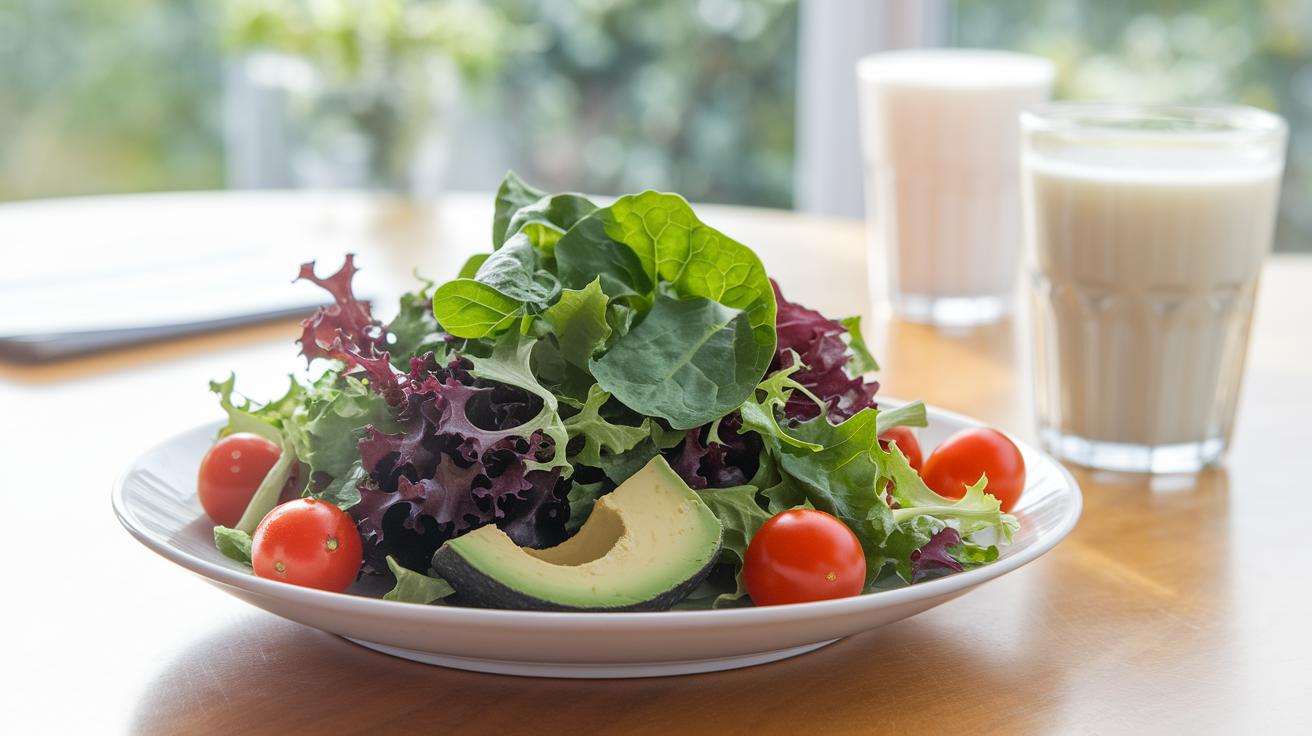
When you're expecting, keeping your meals balanced is all about making simple choices that pack the nutrition your body and baby need. Think of grabbing eggs or peanut butter on toast when you're in a rush, they’re easy, familiar options that help you stay fueled throughout your day.
Planning your meals for the week can save you time and stress. It helps to jot down your breakfasts, lunches, and dinners ahead of time so you can mix lean proteins, whole grains, fruits, and vegetables. This way, every meal covers both the big and small nutrients you need.
Using a balanced diet chart can make your grocery list a lot simpler too. Once you write down what you need, you’re more likely to pick up a range of items like dairy, beans, and fresh produce that are good for both you and your baby. And if you ever feel overwhelmed by planning, don’t hesitate to share the task with a friend or partner, it can really make a difference.
If you’re just starting out, why not try a balanced diet chart and a weekly meal planner like these?
Balanced Diet Chart: (https://siluk.net?p=)
Weekly Meal Planner: (https://worthykaws.com?p=241)
Key Nutrient-Rich Foods in a Prenatal Balanced Diet
Lean Proteins and Plant-Based Alternatives
Lean proteins help you build strong body tissues and support healthy growth. Think lean meats, poultry, and fish. Eggs are another great option, offering about 71 calories and 3.6 grams of protein per serving along with essential vitamins. Plant foods like lentils, beans, chickpeas, soybeans, and peanuts add protein, iron, calcium, and fiber. Imagine a warm bowl of bean chili or a tofu stir-fry bursting with veggies. These foods give your body the building blocks it needs during pregnancy and help with iron absorption.
Omega-3 and Healthy Fats
Omega-3 fatty acids help your baby’s brain, nerves, and eyes develop well. Oily fish like salmon not only provide high-quality protein but also supply key omega-3 fats. Picture a serving of grilled salmon with whole-grain toast, a simple, yummy way to get these healthy fats. Nuts like walnuts and seeds, including chia and flax, also offer these benefits. They help boost brain development and add flavor to your meals.
Vitamins and Minerals from Fruits and Vegetables
Fruits and vegetables in a rainbow of colors give you lots of good nutrients like folate, vitamin C, and beta-carotene. Dark leafy greens such as kale and spinach are packed with folate, iron, and calcium that are important for your baby's growth. Sweet potatoes provide beta-carotene, which the body turns into vitamin A for proper development. Broccoli offers vitamin C and fiber, while berries bring water, vitamins, and natural antioxidants. Think of a bright, colorful salad that lifts your mood and energizes your day.
Dairy for Calcium and Vitamin D
Dairy products like milk, cheese, and yogurt are great for getting calcium and vitamin D. These nutrients help build strong bones and teeth for your baby and keep you healthy, too. A refreshing glass of milk or a bowl of yogurt can easily add these benefits to your meals, supporting both you and your baby as you grow together.
Food Safety and Handling in a Balanced Prenatal Diet
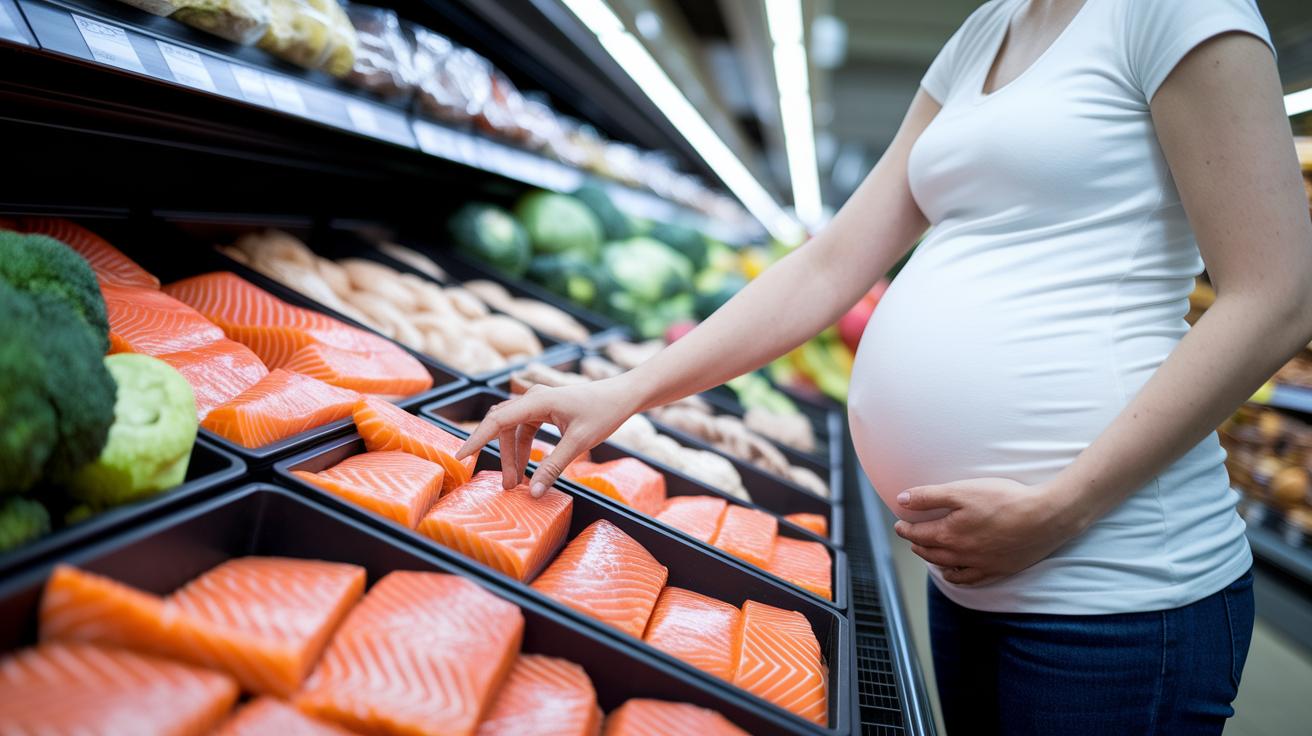
Eating right while you're expecting means extra care in the kitchen. It helps cut down risks like Listeria, toxoplasmosis, and salmonella. That’s why it’s important to avoid raw or undercooked eggs, meats, fish, and unpasteurized dairy. Even if you're whipping up a quick egg scramble, make sure your eggs are fully cooked.
When it comes to fish, choose low-mercury options like salmon, sardines, trout, or tilapia. Picture a mom carefully selecting low-mercury salmon to keep her baby safe. Energy drinks and raw sprouts are best skipped, too. Instead, opt for filtered water. Staying well-hydrated can help reduce the risk of issues like pre-term labor.
Don't forget to wash your fruits and vegetables well. This simple step gets rid of unseen bacteria. Keeping foods stored and cooked at the right temperatures makes your meals both safe and nutritious. These little habits not only protect you but also help ensure your baby gets a balanced, toxin-free diet. Stick to these practices each day to enjoy peace of mind in your kitchen while caring for yourself and your little one.
Managing Common Pregnancy Diet Challenges in a Balanced Eating Plan
Sometimes, handling a pregnancy diet just means making a few small, smart choices every day. When you feel nauseous, try eating little meals often. For example, have some crackers with a warm cup of ginger tea, it might remind you of grabbing a handful of pretzels on a busy morning because they're light and easy to digest.
Eating fiber-rich foods like whole grains, beans, vegetables, and fruits can really help keep your digestion on track. Imagine starting your day with a bowl of oatmeal topped with fresh berries, or enjoying a hearty quinoa salad at lunch that adds texture and loads of nutrients.
It’s important not to forget water. Staying hydrated can help stop discomfort and even prevent contractions, especially as you move into your third trimester. Keep a water bottle handy so you remember to take a sip throughout your day.
When those cravings hit, choose snacks that pack nutrients instead of empty calories. A crisp apple or a serving of yogurt can be a smart pick over high-fat treats. These better choices help keep you nourished and support your well-being during this special time.
Trimester-Specific Balanced Diet Plans for Pregnant Women
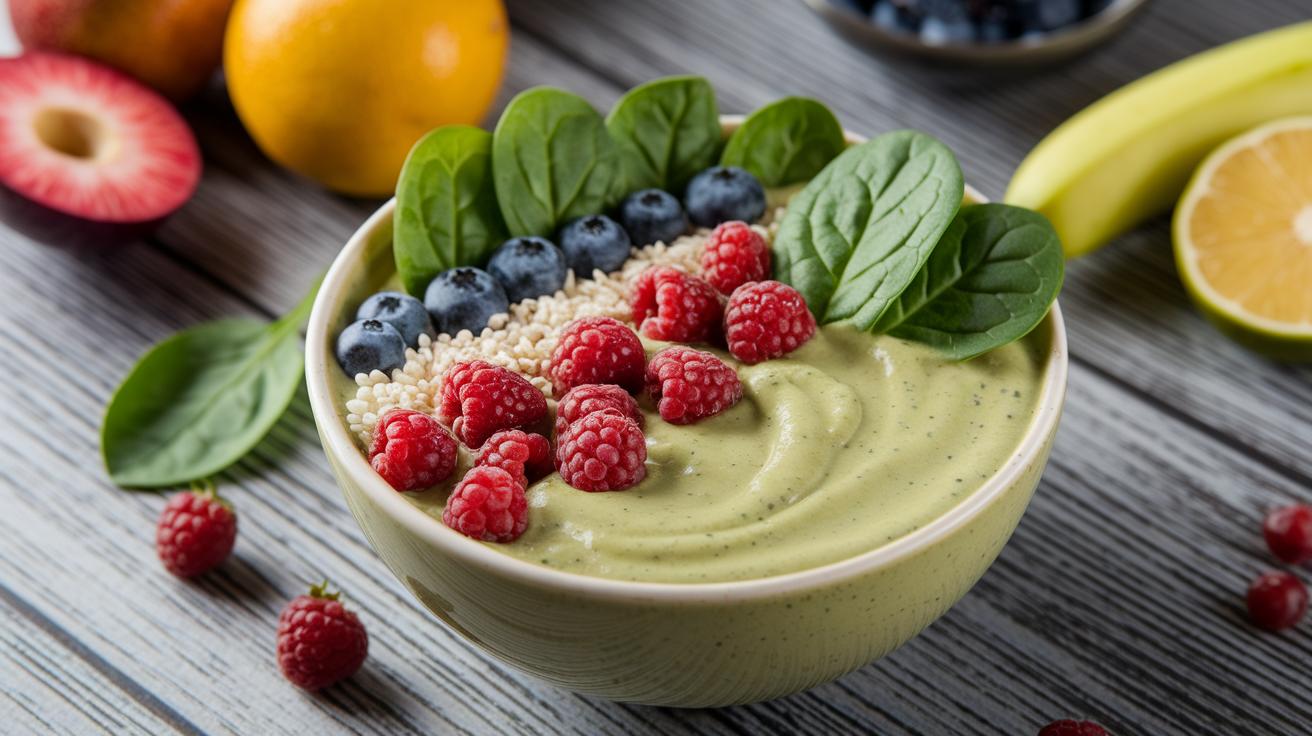
In the first trimester, it’s good to eat foods rich in folate. Folate helps the baby’s neural tube develop properly. Try eating small, frequent meals to ease nausea and keep your energy steady. Picture starting your morning with a bowl of fresh baby spinach blended into a cool fruit smoothie, it’s a gentle way to get folate while keeping your tummy calm.
By the second trimester, your body needs extra support as your baby grows faster. Protein and omega-3 fatty acids (which help the baby’s brain and eyes develop) become more important now. Imagine a plate of grilled chicken with a side of quinoa and a few walnuts sprinkled on top. You might even need about 340 extra calories a day, so a snack like a rich, nutrient-packed yogurt parfait can really help.
In the third trimester, boosting your calcium, iron, and water intake is key for your baby’s bone development and your increased blood volume. Dairy products, like milk, cheese, and yogurt, can help meet your calcium needs, while lean meats and leafy greens provide the iron you need to stay strong. Picture a light dinner of stir-fried vegetables with tofu and a glass of milk. Keeping portion sizes balanced and drinking water regularly can ease discomfort and support overall well-being.
These trimester-specific plans help moms adjust their meals and snacks as their needs change, fueling both mom and baby with a balanced, healthy glow.
Final Words
In the action, we explored essential nutritional needs and meal-planning tips that ease daily routines. We broke down key food groups offering vital proteins, folic acid, and omega-3s, while flagging food safety and handling tips. Practical advice showed how to overcome challenges like nausea and cravings, all while adapting meal plans to each trimester. Embracing a balanced diet for pregnant women means making smart choices with signature foods that nourish both mom and baby. Keep moving forward and enjoy every step toward a healthy, safe, and fulfilling pregnancy.
FAQ
How does a balanced diet change week by week for pregnant women?
The balanced diet shifts as pregnancy progresses, with nutrients like iron, calcium, and folate adjusted to support fetal growth and mom’s changing needs all week by week.
What should a diet chart look like for the first 1 to 3 months of pregnancy?
The diet chart for early pregnancy emphasizes folate-rich foods, small frequent meals, and essential nutrients such as iron and calcium to help support early fetal development and soothe nausea.
What are key considerations for a balanced meal plan during pregnancy?
The meal plan should include lean proteins, whole grains, and nutrient-packed fruits and vegetables while matching trimester-specific needs to supply folate, vitamin D, omega-3s, and other vital nutrients.
How can a pregnant woman maintain a balanced diet while managing her weight?
A balanced diet for weight management involves eating nutritious, portion-controlled meals filled with fiber-rich foods, lean proteins, and plenty of water while avoiding unnecessary calorie overloading.
What foods should be avoided during pregnancy?
Foods to steer clear of include unpasteurized dairy, raw or undercooked eggs and meats, unreheated deli items, high-mercury fish, raw sprouts, and energy drinks, to help reduce foodborne illness risks.
What should a pregnant woman eat to promote a beautiful, healthy baby?
Eating nutrient-rich foods like leafy greens, lean proteins, whole grains, and fruits helps supply the vitamins and minerals needed for fetal development, supporting healthy brain growth and overall well-being.
What daily routine supports healthy eating during pregnancy?
A healthy routine includes balanced meals, regular hydration, light physical activity, and small frequent snacks to keep energy levels steady and help meet the daily nutritional demands of pregnancy.
Are there recommendations from the NHS for a balanced pregnancy diet?
The NHS advises a diet rich in fruits, vegetables, lean proteins, and whole grains, emphasizing key nutrients such as folate, iron, and omega-3s, while cautioning against high-risk foods.