
Ever wonder why your arms never seem to reach their full potential? This quick routine might be just what you need. In only 15 minutes, you'll learn moves like dumbbell curls and incline twisting curls that genuinely challenge your biceps. Picture each rep as a small step toward arms that look and feel stronger every day.
This workout guides you through each controlled lift to work every part of your bicep effectively. Ready to build arm strength that turns heads and makes every minute in the gym count? Give it a try and see the difference for yourself.
Complete Bicep Workout Routine for Strength and Definition
Start your 15-minute workout by picking weights that challenge you but still let you keep good form. Begin with the classic bicep curls using dumbbells or a barbell. Do 2 to 4 sets of 8 to 12 reps. Imagine a gym-goer moving steadily, each curl done with a touch of grace that makes every rep count.
Next, try incline twisting curls on an incline bench. This move makes your biceps work a bit harder by adding extra pull from gravity. Keep your back steady and flat so that you really feel the effort in the long part of your bicep.
Then, do concentration curls. Sit at the end of a bench and rest your elbow on your inner thigh. This exercise zooms in on your bicep muscle. Think of your arm as a lever, each controlled lift isolates the muscle for a clear definition.
After that, move on to preacher curls on an angled bench pad. This setup helps you stay still and focus the work on your biceps and forearms. Follow it with cross-body curls, where a slight diagonal movement gets your biceps, forearms, and even a bit of your chest working together.
Finally, finish with high cable curls using a high pulley. This exercise puts extra focus on the inner, short head of the bicep to boost thickness. Stick with the 2 to 4 sets of 8 to 12 reps, and you'll be setting yourself up for steady muscle growth and better endurance over time.
Key Bicep Curl Variations for Your Workout Routine
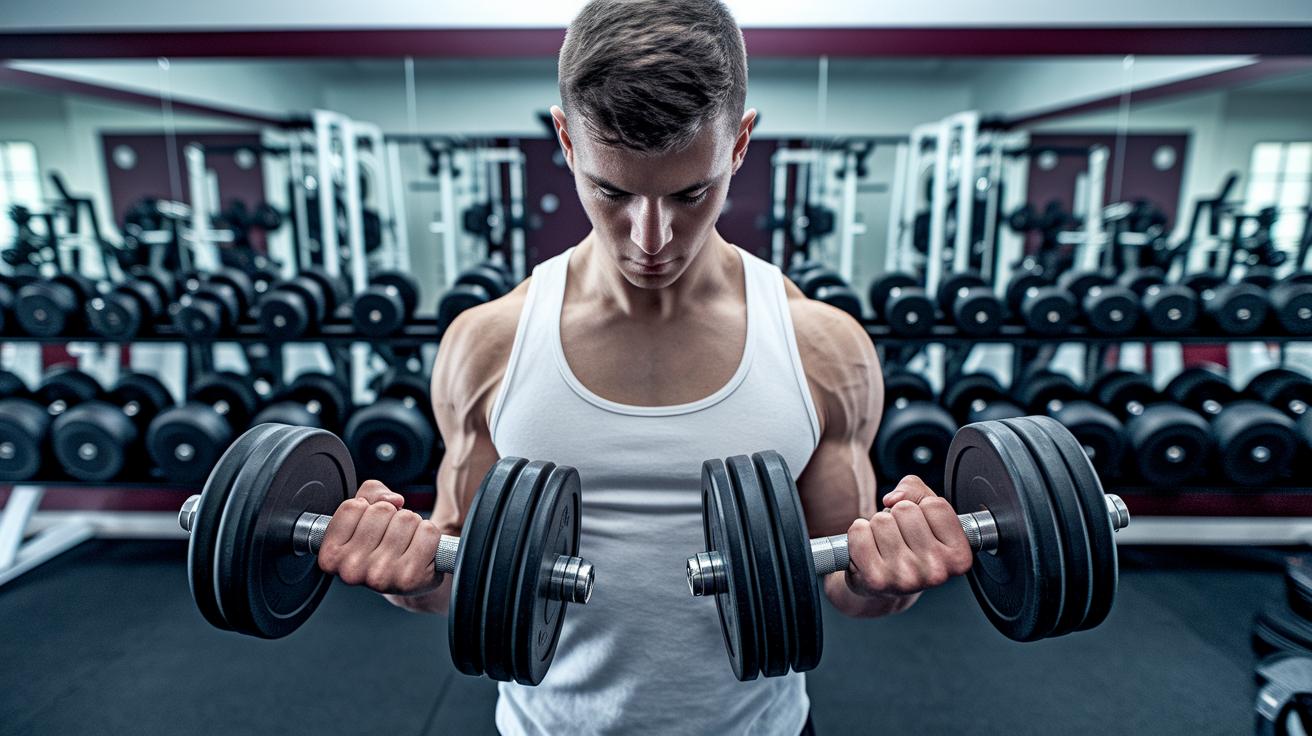
Dumbbell curls work your upper arms, forearms, and even your core. Focus on lifting steadily, feeling each move smooth like a gentle, flowing stream. Imagine each rep as a careful step on a peaceful hike.
Incline twisting curls add a bit of gravity and a twist to your workout. Let your wrist rotate naturally as you lift, targeting the longer part of your bicep. Picture it like giving your muscles a creative spin, turning a simple move into a graceful dance.
Concentration curls really zero in on your biceps by keeping body movement to a minimum. Think of each curl as tuning a fine instrument, letting your muscle fibers express themselves as you whisper your secret strength.
Preacher curls use a slanted pad to keep your arms steady and stop extra movement. This steady support helps you focus on tightening your muscle with every lift, almost like carefully sculpting a work of art.
Cross-body curls bring in a gentle diagonal shift that also lights up your chest muscles along with your biceps and forearms. This unique angle adds a little extra spark to your routine, much like throwing a pinch of color into a familiar tune.
High cable curls, done from a high pulley, narrow in on the inner side of your arm by working the short head of the bicep. Enjoy the steady pull of the cable through each rep, as if you’re painting bold strokes on the canvas of your strength.
At-Home vs Gym Bicep Workout Routine Equipment Guide
Working out your biceps at home can be really effective without needing fancy equipment. You can use dumbbells or resistance bands to mimic your gym routine right at home. For example, try resistance band overhead curls, they give a steady pull similar to high cable curls. Also, chair-supported concentration curls work well; just use a flat, sturdy chair to help focus on your biceps. Fun fact: many folks build strong arms at home using just resistance bands and bodyweight moves.
When you can hit the gym, cable machines provide steady, consistent resistance that makes bicep exercises smooth and controlled. On the other hand, home workouts let you mix it up. You can do bodyweight exercises, dumbbell curls, or resistance band routines. This variety lets you adjust weights or band tension, so you find a challenge that feels just right for you, kind of like tuning a musical instrument.
As you get stronger, remember to slowly add more weight or switch to a thicker band. This keeps your muscles working hard and growing, helping you build bold, defined arms step by step.
Progressive Overload Strategies in Bicep Workout Routines

Progressive overload is all about challenging your muscles a little more each time you work out. You can increase your weight by about 5 to 10% over a week or two, or add one or two extra reps per set. For example, if you’ve been doing 10 reps with 15-pound dumbbells for a couple of weeks, try switching one set to 16-pound dumbbells. This steady pace helps your muscles adapt and grow stronger over time.
Try to work your biceps two or three times a week. Each session should include 2 to 4 sets with 8 to 12 reps each, and take a short break of 30 to 60 seconds between sets. It’s like slowly fine-tuning your workout, similar to adding a small drop of water to a dry sponge until it’s perfectly soaked.
Here are some tips to track your progress:
- Use a training log to record the weight and number of reps for each exercise.
- Set small goals for each session, like adding one extra rep.
- Adjust your weights gradually to keep your form strong and avoid injury.
Balancing the amount of work and rest in each session helps prevent plateaus, so your muscles keep getting stronger and more defined over time.
Supersets and Advanced Techniques for Bicep Workout Routine
Pairing two exercises right after one another can really turn up your workout. Try doing high cable curls and then, without taking a break, move right into barbell curls. This method makes your muscles work longer in one go, which means they get tired faster and you get a great pump.
Another neat trick is the pre-exhaust method. Start with a move that focuses only on your biceps, like concentration curls. This helps wear out your biceps just a bit so that when you switch to a move like hammer curls or chin ups, every repetition counts. It’s like warming up your muscles for a big challenge without overdoing it.
Don’t forget to add peak contraction holds at the end of each curl. When you reach the top of the movement, pause for one or two seconds and really squeeze your bicep. This little break helps your muscles work even harder and can boost your strength over time.
Mixing both big joint moves (compound) and single-muscle moves (isolation) in one workout gives you a well-rounded routine that hits every part of your biceps. Try out these advanced techniques and see how they help you build stronger, bolder arms.
Safety, Warm-Up, and Recovery in Your Bicep Workout Routine
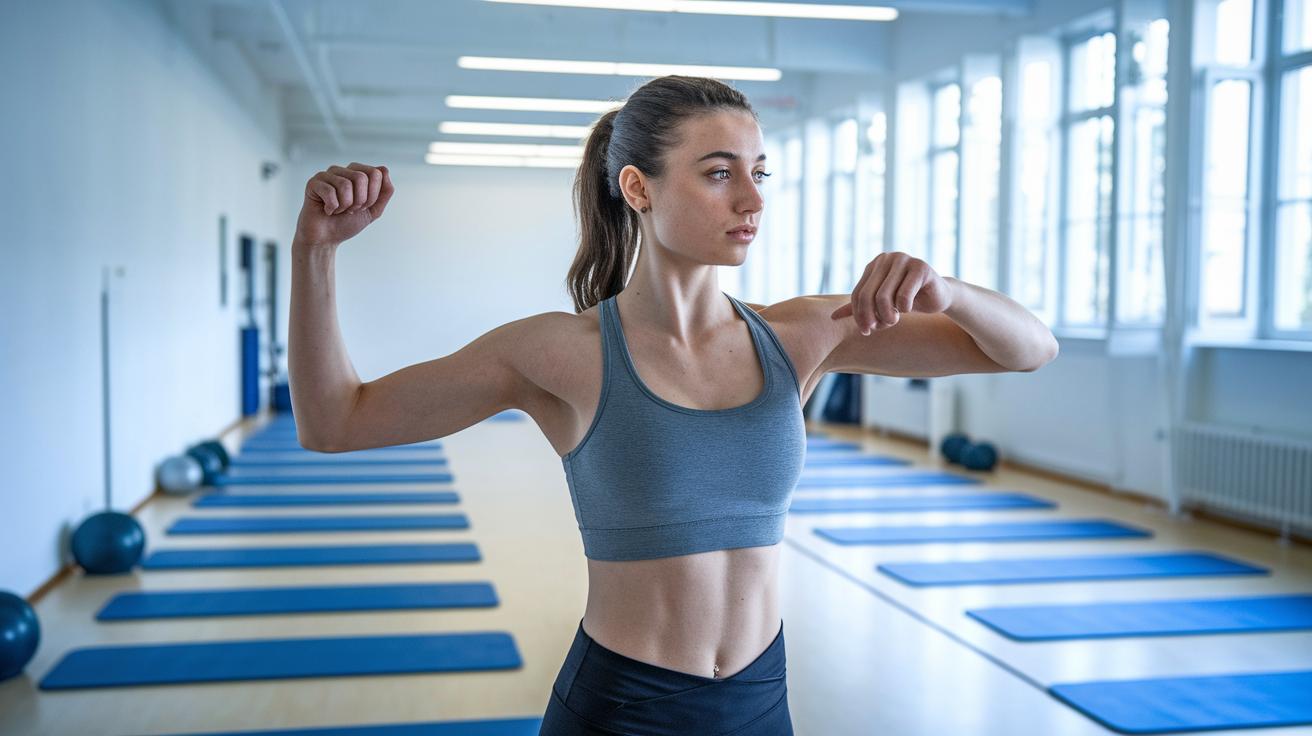
Start every workout with a gentle warm-up to get your muscles ready. Spend about five minutes doing easy resistance moves or simple arm circles, like giving your car a little tune-up before a long drive. Adding some elbow and shoulder rotations, such as wall angels, can also help lower your chance of injury.
As you work on your biceps, keep your form solid. Tuck your elbows close, keep your body steady, and lift slowly to avoid any swinging that might hurt your tendons. This focus isn’t just about looking good, it makes sure your workout helps your muscles grow stronger, safely.
Recovery is equally important. Give your arms 48 to 72 hours of rest between sessions so they can rebuild properly. After finishing your workout, take a few minutes to stretch and roll out any tight spots with a foam roller. These simple steps help your muscles repair and keep you moving forward.
- Start with a light warm-up and simple mobility moves.
- Keep a steady form to protect your body.
- Allow enough time to rest and include post-workout stretching.
Final Words
In the action, we broke down a 15-minute beginner bicep workout routine that covers everything from traditional curls to advanced supersets. We shared tips on managing equipment at home, tracking load increments, and safely boosting arm strength. Each section emphasized warm-ups and recovery to help build muscle while staying secure.
This article makes arm strength training more approachable, leaving you with clear steps to add expert-assisted moves into everyday workouts. Embrace the challenge and feel good about every rep as you grow stronger each day.
FAQ
Q: What’s a good bicep workout routine for mass and beginners?
A: A good bicep workout routine blends traditional bicep curls, concentration curls, and preacher curls into 2–4 sets of 8–12 reps. This balanced plan promotes mass and suits both beginners and more experienced lifters.
Q: How can I perform a biceps workout at home effectively?
A: Performing a biceps workout at home is effective using dumbbells or resistance bands. Moves like dumbbell curls, hammer curls, and chair-supported concentration curls build strength safely with controlled form.
Q: Are four exercises enough for biceps?
A: Using four exercises can be sufficient if they target the biceps from different angles. Incorporate both compound and isolation moves to ensure balanced strength and muscle growth.
Q: What are 7 7 7 bicep curls?
A: The 7 7 7 bicep curls involve doing 7 partial reps, 7 full reps, then 7 negative reps in one set, which exhausts the muscle thoroughly for enhanced growth.
Q: Is a 50 lbs bicep curl good?
A: A 50 lbs bicep curl is effective if you maintain proper form and feel challenged. Gradually increasing weight with continued good form will help build strength safely.
Q: How do moves like Zottman curl, bicep curl, pull-up, bent-over row, overhead press, and side lateral raise enhance a bicep workout?
A: These exercises complement bicep training by isolating the biceps while engaging supporting muscles. Compound moves like pull-ups and rows boost overall strength, and overhead press and lateral raises aid shoulder stability.