
Ever wonder if a week-long meal plan could boost your health? This easy guide shares simple recipes for breakfast, lunch, and dinner that help keep your energy steady. Each dish combines lean proteins, whole grains, and plenty of fruits and veggies, making healthy eating feel effortless. Try these small, tasty changes and notice how they can brighten your day and boost your overall well-being.
Comprehensive 7-Day Diet Meal Plan Overview

This simple 7-day meal plan lays out breakfast, lunch, and dinner choices that total about 1,200 calories each day. It’s designed to help you stick to a regular eating routine while making your weekly meal planning a breeze. Imagine starting your morning with a fresh blend: on Day 2, mix 1 cup of frozen berries, half a banana, and 8 oz of low-fat milk, then add a hard-boiled egg or two for extra protein. It’s an easy way to kick off your day.
On Day 1, lunch serves up a mini whole-wheat pita stuffed with 3 oz of turkey breast, half a roasted red pepper, and a teaspoon of mayo. To add a sweet touch, you get a mozzarella stick and 2 kiwis right after. For dinner, enjoy 4 oz of flounder paired with 1 cup of cooked couscous and 1 cup of steamed broccoli. These meals give you lean protein, good carbs, and lots of veggies.
Then on Day 3, breakfast features half a cup of quick-cooking oats prepared in soy milk and topped with half an apple, a teaspoon of honey, and a sprinkle of cinnamon. The plan’s recipes are portion-controlled, so you can easily manage your calories without counting every ingredient.
This straightforward weekly meal plan offers practical recipes that keep your energy steady all day long. It helps you spend less time planning and more time enjoying delicious, balanced meals.
Personalized Diet Meal Plan Adaptations

If your 1,200-calorie plan feels too strict or leaves you hungry, you can make simple adjustments to fit your energy needs and tastes. For instance, try increasing your lean protein from a 3-ounce piece to a 4-ounce serving. This little change can make your meal feel more filling. You might also add a healthy snack between meals to keep hunger at bay.
You can switch out almond or oat milk for soy or dairy if you like a creamier drink or need a bit more protein. Eating every 2 to 3 hours is a great way to keep your energy steady and help you avoid overeating. Using a calorie-counting tool can keep you on track for a balanced mix of nutrients, aim for 40% carbs, 30% protein, and 30% fats to feel your best.
For anyone working on weight loss or a healthier eating schedule, check out this guide on a balanced diet for weight loss to fine-tune your plan to your own goals.
Key Components of a Balanced Diet Meal Plan

A balanced diet really starts with three basic food groups that work together to give you energy all day long. First up, lean proteins like a 4 oz chicken breast or a small fillet of flounder provide the building blocks your body needs to fix and build muscle. These protein options are excellent for repairing muscles, and you can easily swap them with similar choices if you want to mix things up. Think of how a nicely grilled piece of chicken can bring flavor and power to your day.
Next, complex carbohydrates are key for steady energy. Picture 1 cup of couscous, ½ cup of oats, or a whole-wheat pita added to your meal. These carbs take longer to break down, which means they keep you feeling full a bit longer. Imagine starting your day with a warm bowl of oatmeal or grabbing a pita sandwich to refuel at lunch, they provide long-lasting energy.
The third group is non-starchy vegetables like 1 cup of broccoli or a fresh bed of salad greens. These veggies are chock-full of fiber, vitamins, and minerals without weighing you down. Pair them with fruits like berries or kiwi for an extra burst of natural sweetness and fiber.
Don’t forget healthy fats as well. A few slivered almonds or a spoonful of nut butter not only add a nice flavor but help you reach that ideal mix of 40% carbs, 30% protein, and 30% fats. This simple ratio is a trusty guide to creating nutritious meals that keep you energized and satisfied every day.
Customizable Daily Diet Meal Options
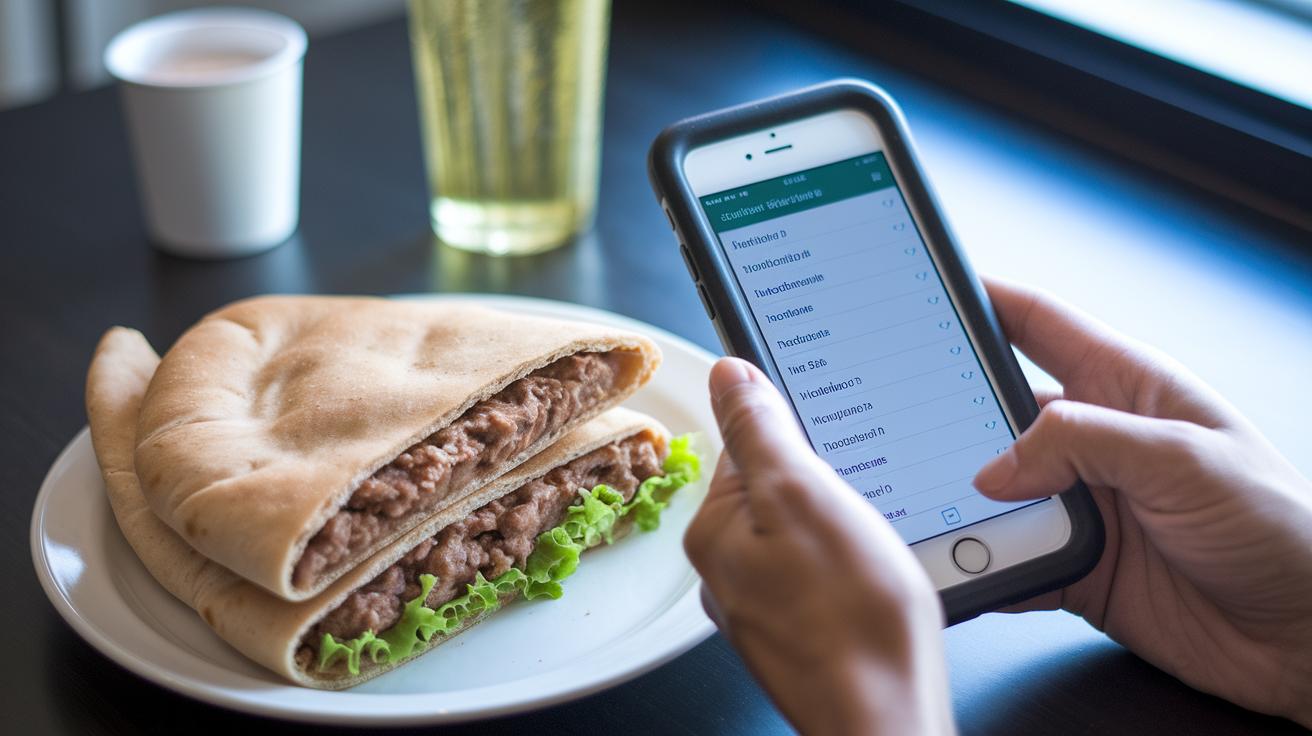
Try switching up your meals while keeping a healthy balance. Imagine a fun menu tool where you can pick an ingredient change and instantly watch your meal's nutrition update. Below is a table showing different meals with some easy swap options.
| Meal | Base Components | Calories | Customization Options |
|---|---|---|---|
| Breakfast | 1 mini whole-wheat pita sandwich with 3 oz turkey, ½ roasted pepper, and 1 tsp mayo | ≈300 cal | Add spinach or use Greek yogurt instead of mayo |
| Lunch | The same pita combo plus a mozzarella stick and a piece of fruit | ≈350 cal | Swap mozzarella for a boiled egg or a small serving of hummus |
| Dinner | 4 oz flounder, 1 cup couscous, and 1 cup broccoli (high protein low fat dinners) | ≈450 cal | Switch couscous with quinoa or choose grilled salmon for some extra omega-3 |
- Tip: Changing ingredients can boost different nutrients without changing the calorie count much.
- Tip: Try different swaps to match your taste and nutrition needs.
Diet Meal Plan Prep and Shopping Guide

First, grab a pen and a piece of paper and write down everything you need for the week. Make a list for 7 days of meals that includes items like:
- 7 mini whole-wheat pitas
- 21 oz turkey breast
- 7 tsp mayo
- 7 roasted peppers
- 14 oz flounder
- 7 cups couscous
- 7 cups broccoli
- Oats, soy milk, and Greek yogurt
- Slivered almonds, eggs, berries, and bananas
Next, set aside some time over the weekend to do your batch cooking. Imagine how great it will feel to open your fridge and see your grains and proteins already prepped and ready. Washing and chopping your fruits and veggies ahead of time means you won’t scramble during the busy weekdays. Pre-portioning items like couscous or oats into small containers can make life a lot easier.
Plan your kitchen work area so everything is within reach and ready when you need it. Spread out your ingredients on a clean counter and arrange your cooking tools neatly. A bit of planning now makes for a stress-free week of healthy and tasty meals. Enjoy the calm and confidence that comes from having your meal plan all set!
Specialized Diet Meal Plan Variations

Diabetes-Friendly Meal Plan
This plan is made simple to help keep your blood sugar steady. Grab a 9-inch plate and fill half with non-starchy veggies like crisp salad greens or lightly steamed broccoli that still feels fresh. Then, use one quarter of the plate for lean protein such as chicken or turkey. The remaining quarter is for quality carbs like quinoa or whole-wheat bread. Try to eat every 2 to 3 hours and add healthy snacks, maybe a small apple or a few almonds, to keep your energy up and your glucose balanced. For more tips, visit the balanced diet section for diabetics at https://siluk.net?p=204.
Keto Diet Meal Plan Variation
This plan shifts your eating habits by focusing on high fat and low carbs. About 70% of your calories come from fats, 20% from protein, and only 10% from carbs. Imagine starting your day with an avocado-berry smoothie that gives you a burst of healthy fats with a touch of natural sweetness. Dinner might be a bowl full of cheese, leafy greens, and a splash of olive oil. This method trains your body to rely on fat as fuel, which can boost your energy and help with weight management.
Mediterranean Diet Meal Blueprint
This plan celebrates nature's best offerings. Enjoy meals that feature olive oil, lean protein like fish, and an array of legumes. Picture a dinner of grilled salmon lightly seasoned, served with a nutritious portion of quinoa and a side of mixed greens that add a satisfying crunch. Whole grains, fresh vegetables, and a handful of nuts come together to create a plate that is as colorful as it is tasty. Each bite is designed to nourish your body and support overall wellness.
Final Words
In the action of planning your meals, this piece showcased a thorough 7-day diet meal plan with clear daily menus, a practical shopping guide and options to adjust for different nutritional needs. It breaks down lean proteins, whole grains and fresh fruits to support your health, all while keeping a calorie-counting system easy to follow. The mix of sample menus and flexible variations inspires you to build a routine that fits your lifestyle. Enjoy making healthy choices that bring a positive shift to your daily wellness!
FAQ
Frequently Asked Questions
What is a diet meal plan app?
A diet meal plan app provides meal ideas, calorie counts, and nutrient breakdowns to help you manage your diet goals conveniently on your smartphone.
What is a 7-day diet plan for weight loss?
A 7-day diet plan for weight loss outlines a week-long menu with balanced, calorie-targeted meals that support weight loss while offering easy recipes for breakfast, lunch, and dinner.
What is a diet meal plan for women?
A diet meal plan for women is designed to meet the unique nutritional needs of women, incorporating balanced recipes that support energy, hormonal balance, and overall wellness.
Where can I find free diet meal plan PDFs, including DASH and 30-day plans for weight loss?
Free diet meal plan PDFs offer downloadable, ready-to-use weekly or monthly menus that include balanced meals and options like the DASH diet, making healthy eating more accessible.
What is the best meal to eat when losing weight?
The best meal for weight loss balances lean protein, whole grains, and vegetables, keeping you full and energized while boosting your metabolism and steady energy levels.
What is the 3-3-3 rule diet?
The 3-3-3 rule diet refers to dividing eating times into three-hour intervals, enjoying three meals a day, and including three key food groups per meal to foster balanced nutrition.
How do I make a 7-day diet plan?
Making a 7-day diet plan involves setting a daily calorie goal, choosing balanced recipes for all meals, listing ingredients, planning portions, and scheduling meal prep steps ahead of time.
Can you lose weight on 1200 calories a day?
Losing weight on 1200 calories a day can work if meals are nutrient-dense and balanced to meet your vitamin and mineral needs, though individual adjustments might be necessary.