
Has your mind been running a mile a minute lately? It might surprise you, but spending just five minutes in meditation can help calm your anxiety and ease the daily stress you feel. Imagine finding a quiet nook in the middle of a busy day where you can focus on slow breathing. In that moment, the chaotic thoughts fade away, giving you a gentle sense of peace. Meditation for anxiety is a simple way to quickly recapture a feeling of balance and control.
Immediate Anxiety Relief: Quick 5-Minute Meditation
Feeling anxious? Try a quick, five-minute meditation to help calm your mind. This simple practice can slow your heart rate and ease stress hormones, it's like stepping from a noisy room into a peaceful space. Whether you're moving between meetings, waiting in line, or just need a moment to breathe during a busy day, a short meditation might be just what you need.
- Find a quiet, comfortable spot to sit.
- Close your eyes and gently focus on your breathing.
- Notice how your body feels without judging any sensations.
- Repeat a soothing phrase like, "breathing in calm, breathing out tension."
- Slowly open your eyes and tune in to the calm within you.
Give it a try right now. Start with five minutes a day and see how this little break can clear your mind and bring back a sense of control. It might surprise you how quickly you can feel better, no matter where you are.
Breath-Focused Anxiety Relief: Mindfulness Breathing Exercise
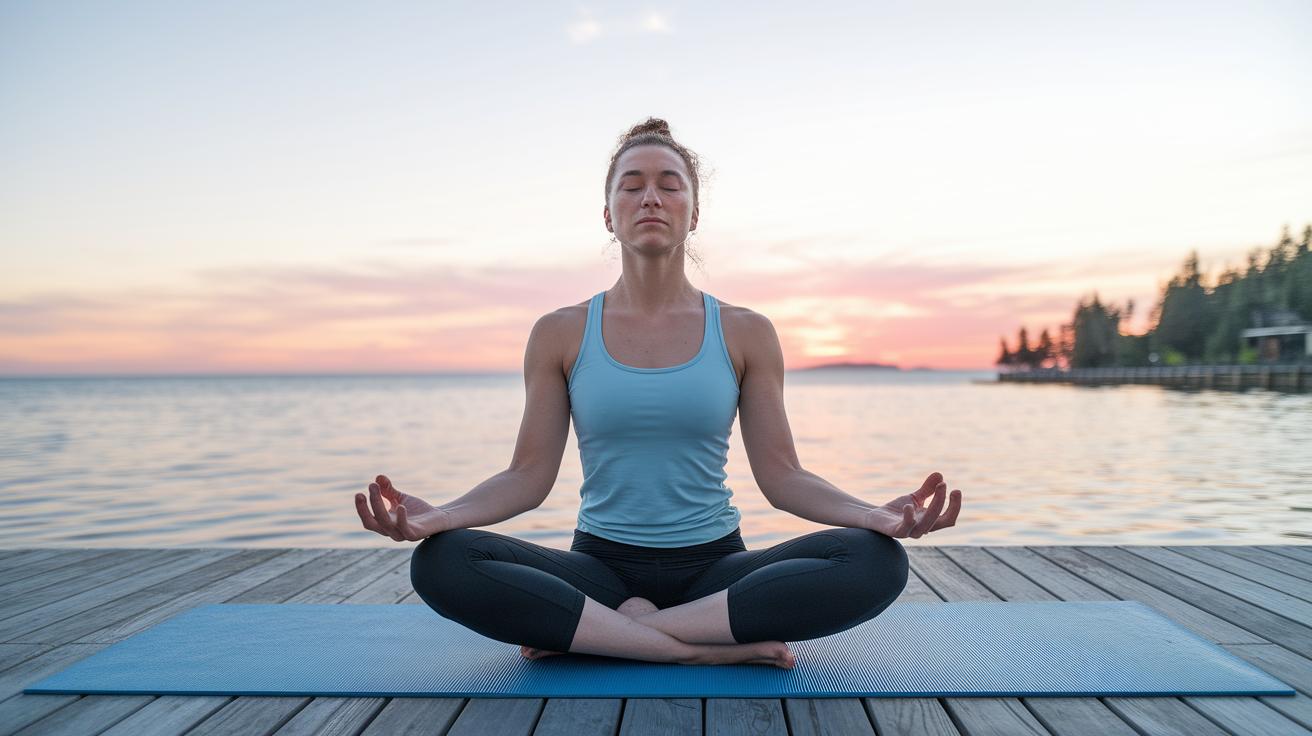
Sit comfortably and let your attention settle on your natural, steady breath. Breathe in slowly through your nose, letting your lungs fill gently, and then exhale at a calm, even pace through your mouth. This practice, called Breath Awareness Meditation, helps center your mind on the simple act of breathing. It can soothe a racing mind and ease physical signs of stress like a fast heartbeat or sweaty palms. If you're curious for more tips, check out this deep breathing for anxiety resource.
Another method to try is Progressive Muscle Relaxation. In this exercise, you tighten and then relax major muscle groups one by one. Start by clenching your fists for a few seconds and then releasing the tension. Gradually move on to other parts of your body, like your shoulders and legs. This process shifts your focus from worrisome thoughts to the physical feelings in your body, deepening your sense of calm. By pairing slow, mindful breathing with muscle relaxation, you can quiet those anxious signals and enjoy a gentle pause from stress.
Top Meditation Techniques for Anxiety Relief
Choosing a meditation practice is all about what fits your needs and schedule. If you need a quick way to calm a racing mind, try a shorter session. If you have time, a longer practice might help you explore and ease stress. Experiment with a few different methods until you find the one that feels right for you.
Mindfulness Meditation
Keep your focus here and now. Watch your thoughts move by without judging them. Whether you spend five minutes or thirty minutes, this practice helps quiet your mind and build clear awareness.
Loving-Kindness Meditation
This method is about spreading kindness, toward yourself and others. Repeat gentle phrases to invite warmth and understanding into your day. Try practicing for ten to twenty minutes to soften self-criticism and ease tension.
Body Scan Meditation
Move your attention slowly throughout your body. Notice the sensations from your head down to your toes without trying to change them. This practice, which lasts between ten and twenty-five minutes, grounds you firmly in the present.
Guided Meditation
Follow along with a calm voice that gently leads you into relaxation. Guided sessions, usually lasting twelve to twenty minutes, offer structure and gentle support. They’re a great way to find inner calm if you ever feel lost in your worries.
Breath Awareness Meditation
Focus on the natural rhythm of your breathing. Notice each inhale and exhale to anchor your thoughts. In just five to fifteen minutes, this simple technique can help lower physical signs of anxiety.
Progressive Muscle Relaxation
Tense a muscle group and then let it go. This back-and-forth helps shift your focus from racing thoughts to the sensations in your body. Usually taking about ten to twenty minutes, it offers a welcome break and a way to relax deeply.
Every method has its own benefits. Try different techniques until one fits your personal relaxation style perfectly. Use this guide for a peaceful pause during your day.
| Technique | Duration | Primary Focus |
|---|---|---|
| Mindfulness | 5–30 min | Present-moment awareness |
| Loving-Kindness | 10–20 min | Compassion cultivation |
| Body Scan | 10–25 min | Physical sensation awareness |
| Guided | 12–20 min | Instructor support |
| Breath Awareness | 5–15 min | Breath anchoring |
| Progressive Muscle | 10–20 min | Tension release |
Scientific Evidence and Benefits of Meditation for Anxiety

A study from the University of Waterloo found that taking just 10 minutes for mindfulness meditation can help break the cycle of overthinking. Programs like Mindfulness-Based Stress Reduction (MBSR) and Mindfulness-Based Cognitive Therapy (MBCT) run for eight weeks to build a regular practice that works. In particular, MBCT is well known for lowering the risk of a depressive relapse. These findings show that meditation for anxiety goes far beyond simple relaxation by using science-backed methods.
Research shows that regular meditation helps your body handle stress better. It lowers cortisol levels, the hormone linked to stress, and calms the amygdala, a small brain area responsible for processing emotions. This means meditation helps you manage your emotions, moving you from constant inner worry to a calmer state of mind that can better face everyday challenges.
Guided mindfulness sessions don’t just provide instant relief; they also support long-term mental health. Over time, keeping up with regular meditation seems to build a more balanced mental state and strengthens your ability to bounce back from anxiety.
With consistent practice, meditation helps create new, calming neural pathways. This means it not only eases anxiety in the moment but also helps support a more stable and healthier emotional life for the long run.
Building a Daily Meditation Routine for Anxiety Management
Start by creating your own calm, personal nook. Pick a quiet spot in your home, a cozy chair, soft lighting, or gentle background sounds, to let your brain know it’s time to relax. This little setup makes it easier to build a daily meditation habit.
Next, choose a set time every day. Whether you like starting your morning with a clear mind or winding down at night, sticking to the same moment each day turns your practice into a special appointment with yourself. Even if it’s just a few minutes, this regularity can help ease your anxiety over time.
Begin with a simple 5-minute session. As you get more comfortable, you can slowly add more minutes, 10, 15, 20, or even 30 minutes. This gentle increase stops you from feeling overwhelmed and fits well into a busy schedule. Remember, it’s all about regularity, not how long you go.
When looking for extra help, consider guided meditation apps. Many offer a variety of sessions that match your current level and even include techniques like mindfulness-based cognitive therapy (MBCT, which helps turn anxious thoughts into calming ones). For more ways to manage anxiety, check out this link: stress management techniques for anxiety.
Final Words
In the action, we explored quick 5-minute sessions that help ease tension and curb anxious thoughts. We examined mindful breathing exercises and a variety of techniques, each designed to offer fast, effective relief. Scientific studies back up that meditation for anxiety can lower stress hormones and boost calmness.
Small daily practices build into a solid routine that makes stress management feel natural. Embrace these techniques, experiment a bit, and enjoy the steady peace they bring to your day.