
Have you ever thought that just a few minutes of mindful meditation might clear your head and help you chill out? Using simple breathing techniques, you take slow, calm breaths that let you relax and sharpen your focus. Even when you're swamped, it's easy to give this a try.
In this article, you'll see how a short meditation break can make your thoughts clearer and boost your mood. We explain each step so you can easily bring a bit of calm into your everyday routine and feel a little more balanced.
Practical Mindful Meditation Techniques for Everyday Stress Relief

Start with a short session lasting 5 to 10 minutes. Sit comfortably in a chair or on a cushion with your back straight. Rest your hands on your lap and keep your feet flat on the floor. Focus on your breathing, try inhaling slowly for four counts and exhaling for four counts. When your mind drifts, gently bring it back to your breath. It may surprise you how even a few minutes of focused breathing can clear your mind and lift your mood.
A good tip is to meditate at the same time every day to build a routine. You can use a timer if that helps. Here’s a simple guide to get you started:
| Step | Description |
|---|---|
| 1 | Sit comfortably with a straight back and relaxed shoulders |
| 2 | Focus on slow, even breaths; count your inhales and exhales |
| 3 | If your mind wanders, gently guide it back without any worry |
You can also add a body scan or sensory exercise to your practice. Try noticing the feeling of your feet on the floor or listening to the sounds around you. This simple addition can boost your mental clarity and ease stress. Even short sessions during busy days can help improve your memory and calm your mind. Over time, each practice strengthens your focus and helps you feel better overall. Enjoy these easy techniques as part of your routine for stress relief.
Breath-Focused Mindful Meditation Techniques for Enhanced Concentration

Sit comfortably and keep a relaxed, yet alert posture. Instead of simply counting your breaths, pair each one with a clear mental picture. Imagine each inhale as drawing in bright, clear energy, and each exhale as letting go of distracting thoughts. For example, you might say to yourself, "Did you know that just three minutes of focused breathing can clear your mind and help you solve problems better?"
Set a timer for three to ten minutes to keep track of your practice. With each deep breath in, picture your mind lighting up, and on each slow exhale, see any tension or scattered thoughts drifting away.
Try the 3-Minute Breathing Space method, a simple exercise from mindfulness practices. First, spend one minute checking in with your body and letting your muscles relax. Next, focus completely on your breathing, as if you are matching its rhythm to a gentle drum beat. In the final minute, allow your thoughts to float by, like clouds clearing in a sunny sky, preparing you for a focused mind.
If your thoughts wander off, gently bring them back by picturing clear blue skies replacing any mental fog.
mindful meditation techniques: Embrace Calm Living

You can easily add little mindful moments to your day without having to change your whole schedule. Imagine pausing during a busy morning to take a few slow, deep breaths before you sip your coffee or enjoying a quiet minute at lunch to truly taste your food. These short breaks may only last a few minutes, but they help clear your mind and ease everyday stress.
Try setting a timer or a simple reminder on your phone to nudge you into a mini-break. When you step away from work, take a quick walk. Feel the gentle breeze, hear the soft rhythm of your footsteps, and notice how your body feels as you move.
Here are a few simple ideas to weave mindfulness into your daily routine:
- Savor each bite during meals, letting the taste and texture guide you.
- During a break, take a moment to really look around. Notice the colors, listen to the sounds, or feel the warmth of the sunlight on your skin.
- Use everyday tasks, like brushing your teeth or washing dishes, as chances to check in with your thoughts and body.
Doing this consistently, whether in the morning, at lunch, or in the evening, can help form a lasting habit of calm living. Even these small pauses can make your day a bit more peaceful and help you stay grounded.
Guided Mindful Meditation Sessions for Deep Inner Awareness
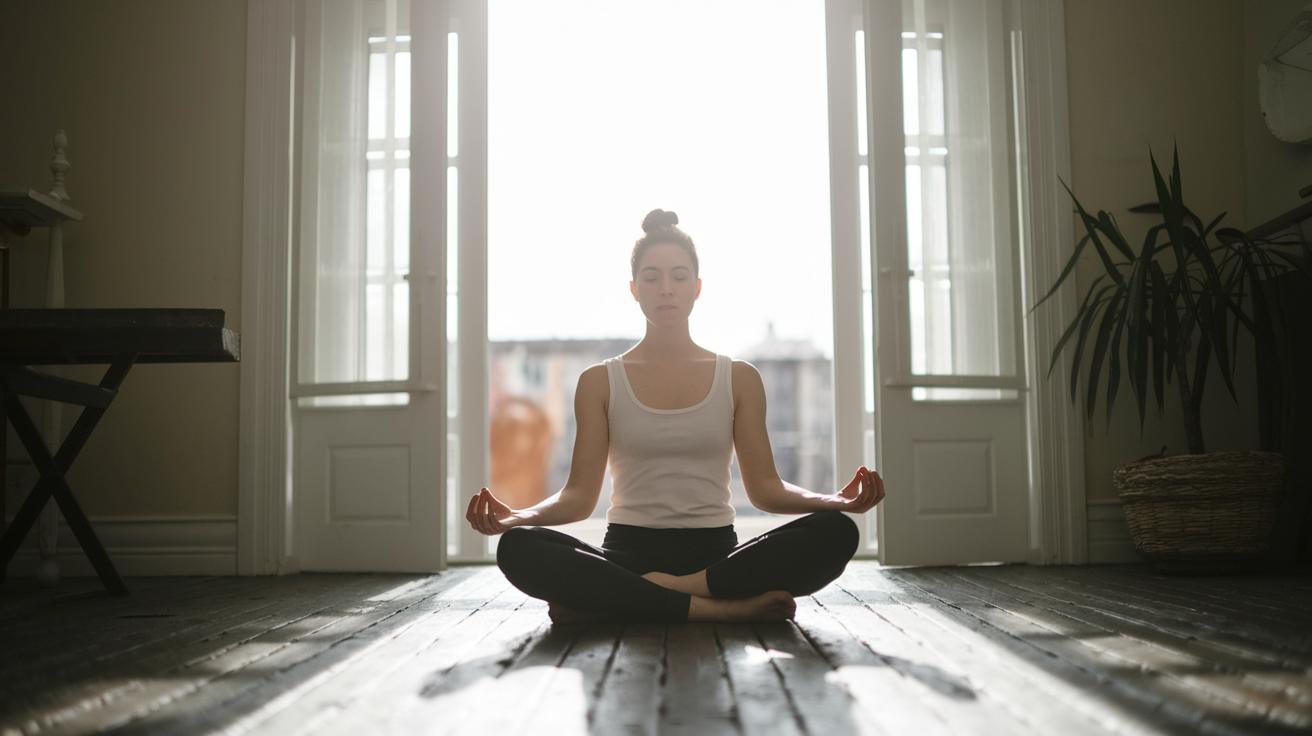
When you try a guided meditation, you get easy-to-follow verbal cues that help you focus inward. One common approach is a body scan. You'll be gently guided to notice each part of your body, starting at your toes and moving upward. For example, you might hear, "Feel your feet connecting with the ground and let go of tension as you move upwards." This simple instruction helps shift your mind away from everyday distractions.
Visualizations play a big part too. You may be asked to picture a peaceful scene, like a quiet forest path or a calm lake reflecting a clear sky. This clear image not only relaxes your mind but also helps you connect with your inner self. Often, these sessions include instructions to tense and then relax muscles one group at a time, which deepens the feeling of calm.
It’s a good idea to start with a short guided meditation, about 10 minutes. As you feel more at ease, you can slowly build your practice into a 20- or 30-minute session. You might even come across reminders like, "Notice your feelings without judging them," which help you experience the moment fully.
There are plenty of helpful audio tracks and guided scripts available too. Choose the one that fits best into your day and let your inner awareness grow naturally.
Mindful Meditation Exercises to Enhance Focus and Emotional Balance

Our article already dives into practices like the Body Scan, the Five Senses Drill, and other timed methods. Now, let’s explore two fresh ways to bring mindfulness into your day.
Try the Raisin Exercise as a fun twist on mindful eating. Hold a single raisin in your hand and really notice its texture, smell, and taste. As you take it in, you might say, "This little raisin feels uniquely crisp and sweet." This simple act helps you focus on each sensory detail in the moment.
Another idea is to use a Mindfulness Bell during your daily routine. When you hear its soft tone, pause for a moment to ground yourself in the present. Think to yourself, "This gentle bell reminds me to be fully here now." This quick break can help you stay connected with your feelings throughout the day.
Advanced Mindful Meditation Techniques to Deepen Practice
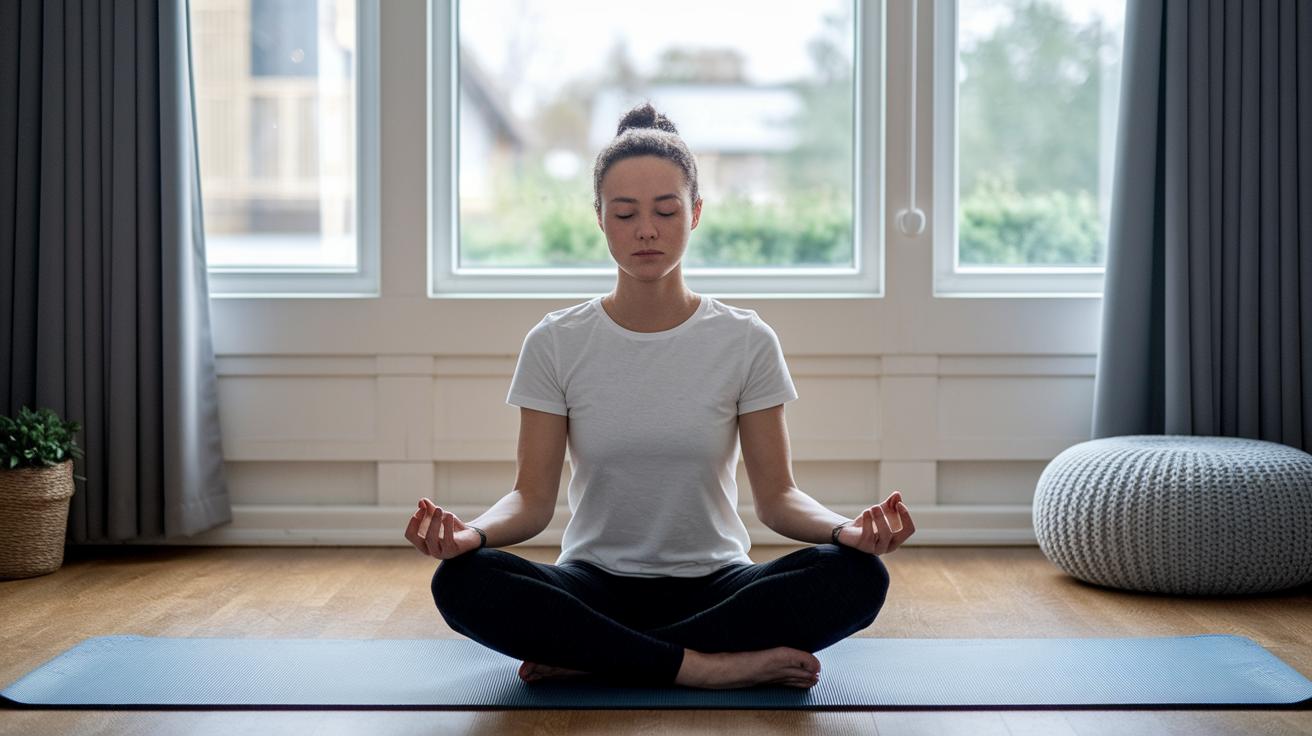
If you want to take your meditation past just focusing on your breath, try a few new techniques. One way is open monitoring. This means you gently notice your thoughts and feelings as they come and go. For example, if a plan pops into your mind, you might quietly say, "There goes that planning thought," and then let it pass. It helps you feel calm and more aware.
Another great method is loving-kindness meditation. Imagine someone you care about, or even someone you see every day, and repeat kind phrases like, "May you be safe and happy." This simple practice opens your heart and brings warm, balanced feelings.
You can also mix in movement. Give walking meditation or gentle yoga a try. Focus on each step or stretch, noticing how your body feels. This way, you connect your body and mind in a very natural and easy way.
For a deeper dive, consider joining a silent retreat. These sessions let you sit quietly for a longer time, helping you uncover a richer sense of calm and insight. In the end, these techniques can add a lasting sense of peace to your daily life.
Research-Based Benefits of Consistent Mindful Meditation Techniques

Scientific research shows that setting aside a few minutes each day for mindful meditation can clear your head and boost your overall well-being. Studies have found that regular practice helps improve memory, sharpens attention, lowers stress hormones (cortisol, which is the body’s stress signal), and eases feelings of anxiety and depression. Some folks even notice clearer thinking after just a short daily session.
Research on eight-week mindfulness programs has revealed that people who meditate regularly tend to feel less stressed and better able to manage their emotions. Brain scans even show that consistent meditation can increase the amount of gray matter, the part of your brain used for learning and memory. Think of it like adding little building blocks that strengthen your ability to focus.
Starting with just a few minutes a day is a bit like giving regular water to a small plant, it helps your mind grow stronger and stay balanced. The science is solid: regular meditation not only changes the structure of your brain but also makes you feel more emotionally in tune.
For anyone hoping to reduce everyday stress and improve mental clarity, these benefits offer a friendly, proven way to boost focus, lower anxiety, and support overall well-being. Experts now often suggest mixing mindful meditation with regular care to build mental resilience and a steadier quality of life.
The research backs up what many of us experience in real life, showing that even a little bit of daily meditation can lead to lasting, positive changes.
Final Words
In the action, this article breaks down daily meditative routines, guiding you through posture, breath focus, and sensory awareness for practical stress relief. We covered techniques for both quick sessions and deeper guided practices that help build consistency.
Every step reinforces mindful meditation techniques as a tool for enhancing clarity and balance. Small daily practices can lead to lasting benefits and improved well-being. Embrace these practices and enjoy the positive changes in your routine.
FAQ
What is mindfulness meditation?
Mindfulness meditation means practicing being fully present and aware, without judging thoughts or feelings. It helps calm the mind and can reduce everyday stress.
How can beginners start mindfulness meditation?
Mindfulness meditation for beginners means starting with short sessions—about 5 to 10 minutes—focusing on your breath and senses to build a steady, calm awareness.
Where can I find a mindfulness meditation PDF?
A mindfulness meditation PDF is a downloadable guide that offers clear, step-by-step instructions, making it easier to learn and practice meditation techniques at home.
What benefits does mindfulness meditation offer?
Mindfulness meditation benefits include improved focus, reduced stress, and better memory by training the mind to stay present and calm in everyday situations.
How are mindfulness exercises typically presented in a PDF?
Mindfulness exercises PDF files describe practical steps—such as body scans and breath focus—with clear instructions and visual aids to help you easily follow along at your own pace.
What are effective mindfulness techniques?
Mindfulness techniques involve methods like breath awareness, body scans, and noticing sensory experiences. These practices help guide the mind back to the present moment, reducing anxiety.
What are some practical mindfulness exercises for adults?
Mindfulness exercises for adults can include short meditative breaks, mindful walking, or mindful eating—simple actions you can integrate into daily routines to boost calm and clarity.
How can I practice mindfulness for anxiety?
Practicing mindfulness for anxiety means focusing on calming activities like deep, slow breathing and noticing your surroundings, helping you regain balance and reduce anxious thoughts.
What are common mindfulness meditation techniques?
Common mindfulness meditation techniques include breath exercises, body scans, and guided meditations. These approaches encourage you to consistently return your focus to the present.
What are the 5 R’s of mindfulness?
The 5 R’s of mindfulness are Recognize, Release, Relax, Reframe, and Respond, forming a cycle that helps you gently process and manage thoughts and feelings.
What are the 7 principles of mindfulness?
The 7 principles of mindfulness are acceptance, presence, non-judgment, openness, curiosity, compassion, and patience, which together foster a deeper understanding of the present moment.
What are the 3 C’s of mindfulness?
The 3 C’s of mindfulness include Curiosity, Compassion, and Connection. These elements encourage you to explore your thoughts kindly and stay connected with the here-and-now.