
Ever thought that little mindful actions could change your whole day? Picture taking a few deep breaths or going for a quiet walk that clears your mind and brings calmness. This article shares simple mindfulness ideas that easily fit into even the busiest schedules. We'll look at techniques like alert breathing, paying attention to your body, and eating with awareness so you feel more centered. By trying these small practices, you might find that even quick moments of calm can make your day feel a lot more peaceful.
Practical Mindfulness Practice Examples to Start Today
Mindfulness doesn't require grand gestures. Even small actions in your daily routine can help you stay in the moment and reduce stress. A few deep breaths or paying attention to tiny details can turn ordinary tasks into moments of calm.
These methods are simple and need no special gear. They easily fit into your daily life whether you're at home, at work, or on the move.
- Mindful breathing: Just take a few slow, deep breaths, focusing completely on each inhale and exhale to calm your mind.
- Body-scan meditation: Sit or lie down and gently notice how different parts of your body feel from your head down to your toes.
- Mindful eating: Before each bite, pause to really taste, feel, and smell your food.
- Walking meditation: On a short walk, focus on the feeling in your feet as you step.
- 5-4-3-2-1 sensory exercise: Notice five things you see, four you can touch, three you hear, two you smell, and one you taste.
You can adjust these practices to suit your experience. Beginners might start with just one minute of mindful breathing, while those more comfortable with mindfulness can try a complete body scan. Over time, you might find that extending these sessions and noticing even subtle sensations makes a big difference in how present you feel.
Mindful Breathing Techniques and Models
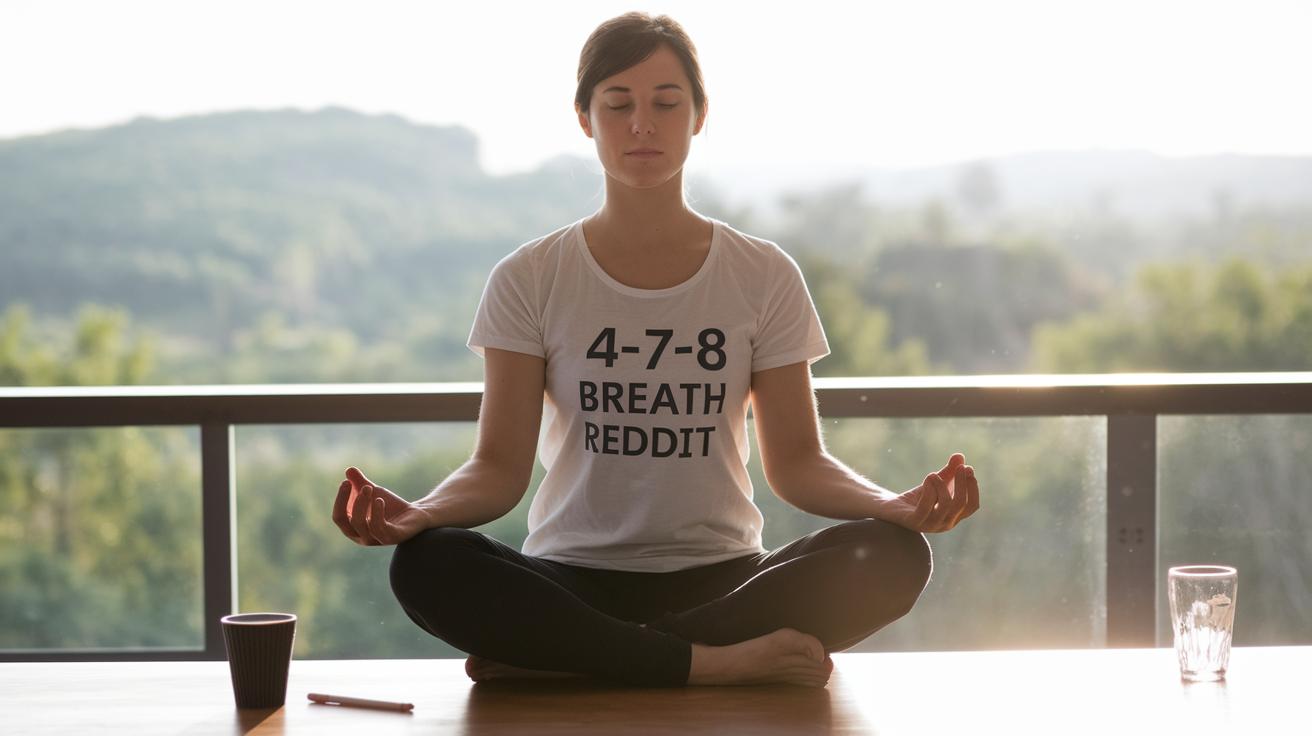
Breathing is a natural tool that helps calm both our body and mind. When you focus on each inhale and exhale, you let a wave of calm wash over you, even during a hectic day. A quick round of mindful breathing before a stressful task can clear your head and ease tension.
| Technique | Steps | Duration |
|---|---|---|
| 4-7-8 Calming Breath | Inhale for 4 seconds, hold for 7 seconds, exhale for 8 seconds | About 1-2 minutes per cycle |
| Box Breathing | Inhale for 4 seconds, hold for 4 seconds, exhale for 4 seconds, hold for 4 seconds | Cycle repeated for 3-5 minutes |
When picking a breathing technique for your daily break, think about what feels right in the moment. If you need a quick reset, the 4-7-8 method might be perfect. On the other hand, if you have a bit more time and want a deeper pause, box breathing could be the answer. Try both methods and see which one fits naturally into your routine.
Informal Brain–Body Awareness in Daily Routines
Every day, we often do things on autopilot without really noticing them. We might rush through our tasks and miss the little details around us. Taking a moment to really stop, breathe, and sense what’s happening can help shift us from feeling distracted to being fully present.
Imagine a few simple moments that can bring you back to now. When you’re sitting in your car at a red light, take three deep breaths and notice your heartbeat. In a meeting, try to really listen to someone’s words and tone, catching how the conversation flows. While washing your hands, feel the water’s warmth and the gentle movement of your fingers. Even these small actions can pull you off autopilot and into your day.
Try using small reminders throughout your day, like a clock alarm or a sticky note on your desk, that signal it’s time to pause. Over time, these cues will help you become more aware of your thoughts and feelings, making everyday tasks a little more meaningful.
Structured Meditation Examples for Various Settings
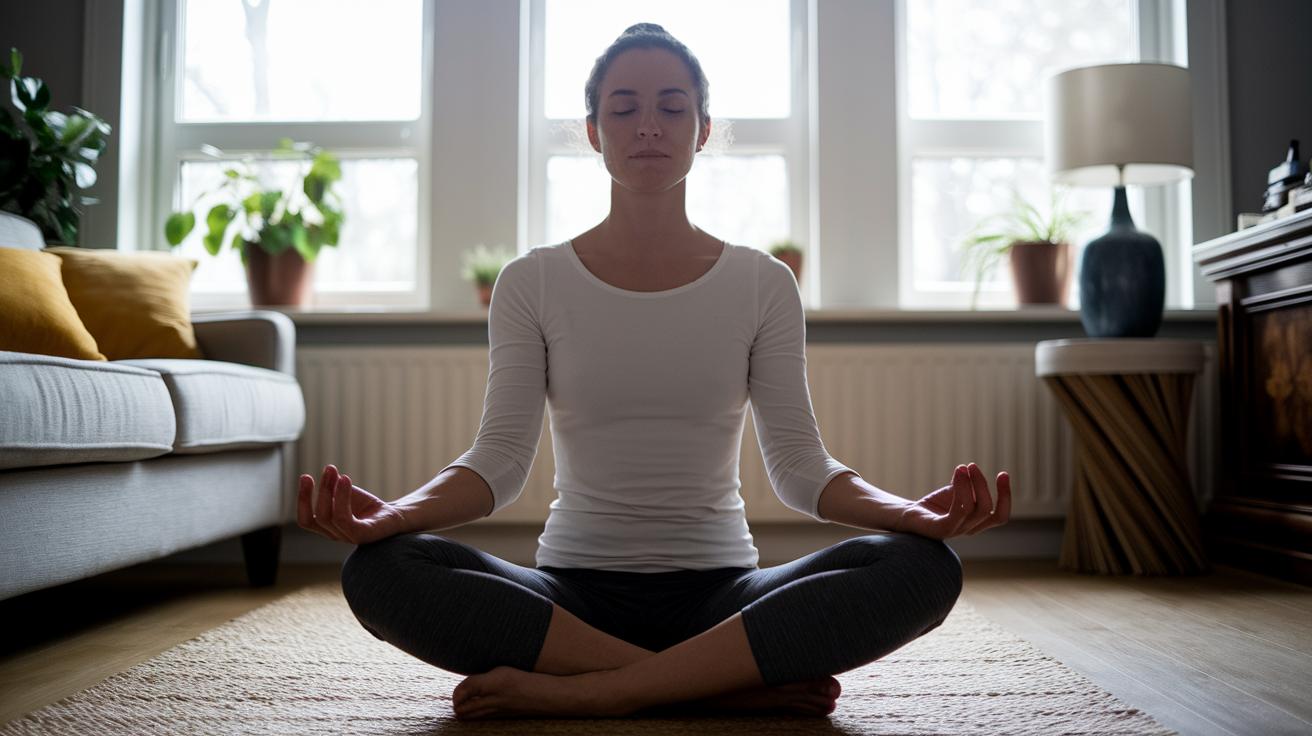
Guided and seated meditation can be a welcome break in your busy day. They help center your mind and ease your body by using clear, step-by-step techniques that fit almost any place. Whether you’re at home or in your office, you can adjust your practice to feel right where you are.
Body-Scan Meditation
In body-scan meditation, you gently focus on each part of your body. You can either lie down or sit comfortably with your back supported. Start at the top of your head and slowly work your way down to your toes, paying attention to any feelings along the way. This practice usually takes from 5 to 20 minutes, depending on how detailed you want to be. If you’re just starting out, a shorter scan is perfect. As you get more used to it, you can spend longer and notice even the smallest signs of tension or comfort, like tuning into a quiet, familiar hum.
Guided Imagery Meditation
Guided imagery meditation uses a set script or audio cue to help you picture calm, positive images. The meditation generally lasts about 10 to 15 minutes, though you can adjust it to meet your needs. While you follow an instructor’s cues or a recording, try to combine slow, deep breaths with clear mental pictures, imagine a gentle stream or a serene park. This mix of breathing and visualizing helps deepen your relaxation when you need a little mental escape.
Loving-Kindness Meditation
Loving-kindness meditation is all about sending thoughtful, kind wishes to yourself and others. You might say things like “May I be peaceful” or “May you be happy” at a pace that feels natural. This practice can boost your mood and create a warm sense of connection. It works well on your own for personal reflection or in a group where the shared energy feels supportive.
Each of these meditation techniques offers a simple, structured way to bring calm into your day, no matter where you are. Try one out and see how it fits into your daily routine.
Daily Reflection Rituals and Journaling Prompts
Reflection helps you get more aware of your inner world. When you jot down your thoughts and feelings, it becomes easier to notice small shifts that might otherwise slip by unnoticed, like the calm that follows a quiet moment or a burst of energy sparked by a simple smile.
Try picking a special time each day just for journaling. Maybe it’s right after dinner or early in the morning. Mark it on your calendar as your "me time." Even spending a few peaceful minutes writing can give you valuable insights over time.
Here are a few prompts to get started: write down three little things you noticed today, track how your mood changed during a stressful moment, or note any body sensations you felt after a quick break. The idea is to see how your perspective and emotions evolve, whether you do it for two weeks, a month, or even six months.
Integrating Mindfulness Into Your Daily Lifestyle
Starting a mindful routine is all about planning and sticking to it. Find a quiet spot where you can relax, whether it’s a cozy corner in your room or a sunny bench outside. Even a tiny two-minute meditation, right after waking or before bed, can set a calm tone for the day ahead. This small act can pave the way for longer, more focused sessions as you get used to the habit.
Taking mini breaks throughout your day can really make a difference. Try setting a gentle reminder on your phone or jotting down a note in your calendar to pause for a minute. These little check-ins help you tune in to your breathing and notice how your body feels. By adding these mind pauses into everyday moments, you create natural breaks that not only refresh your mind but also help form a steady routine.
It also helps to keep track of your progress. Use a simple journal or your favorite notes app to write down any shifts in your mood, stress levels, or overall calm. Over time, you might find that your sessions naturally grow longer. Adjusting the time you spend on mindfulness lets these small changes evolve into long-lasting, healthy habits.
Final Words
In the action, this article showed that simple changes can embed mindfulness in everyday life. We explored mindfulness practice examples like mindful breathing, body-scan meditation, and the 5-4-3-2-1 sensory exercise that require no fancy tools.
The ideas shared make it easy to add mindful moments to daily routines. Whether you reflect through journaling or use brief meditation sessions, there’s a tip for every level. Enjoy the benefits these practices bring as you create a healthier, happier lifestyle.
FAQ
What mindfulness exercise PDFs are available for different settings?
The mindfulness exercise PDFs offer printable guides featuring quick exercises like a 2-minute practice, group session formats, and routines for adults, giving you clear, ready-to-use steps to build mindfulness.
How can I practice mindfulness in everyday life?
The everyday mindfulness examples show that practicing mindfulness means tuning into your sensations—like noticing the taste of your food or feeling your feet on the ground—to stay present throughout your day.
Which mindfulness exercises suit adults, students, and those managing anxiety?
The tailored techniques include mindful breathing and short guided sessions that help reduce stress and boost focus. These practices work well for adults, students, and anyone seeking to ease anxiety.
What are the basic practices and quick techniques of mindfulness, including the 3 C’s?
The basic approaches highlight mindful breathing, body scans, and sensory exercises. They also cover quick techniques like the 3 C’s, providing fast, practical actions to restore focus and calm during busy moments.