
Do you ever feel like your body is holding onto extra water? When your face, legs, or hands start to swell, it might be time to reconsider your daily habits. Natural remedies can help balance your fluids and ease that puffy feeling. Think of it like giving your body a tune-up so it runs smoother all day. In this article, we'll share simple diet changes and gentle lifestyle shifts that can bring you relief and help you feel great right away. Ready to explore some easy tips that can really boost your well-being?
Effective Natural Remedies to Reduce Water Retention

Water retention, also known as edema, happens when extra water leaks from small blood vessels into the surrounding tissues, causing swelling in your ankles, legs, fingers, or even your face. It may occur when you eat too much salt, don't drink enough water, experience hormonal changes (like during your period or menopause), take certain medicines, or remain inactive for too long. One small tip: choose a piece of fruit over a salty snack, it really can make a big difference!
Cutting down on salt is a smart, natural way to help your body manage water. Instead of reaching for processed foods, try using fresh herbs or a squeeze of lemon to season your meals. Drinking plenty of water also helps; aim for about half your body weight in ounces each day to support your kidneys in flushing out extra fluid.
Including foods rich in potassium, like bananas, spinach, or avocado, helps keep your body’s electrolytes balanced. Foods with magnesium, such as leafy greens, nuts, and seeds, also work to control sodium levels. Natural diuretics like dandelion and parsley encourage your body to produce more urine, easing fluid buildup.
Regular movement is another great helper. Physical activity boosts circulation and stops fluids from settling in one place. Plus, getting 7 to 9 hours of sleep each night and practicing stress-relieving activities like yoga or meditation can keep your hormones balanced, which may further reduce water retention.
Simple changes in your diet and lifestyle can really support your body’s natural ways of handling fluids. Try these tips and discover how small adjustments can help you feel healthier every day.
Understanding Water Retention: Causes and Key Symptoms
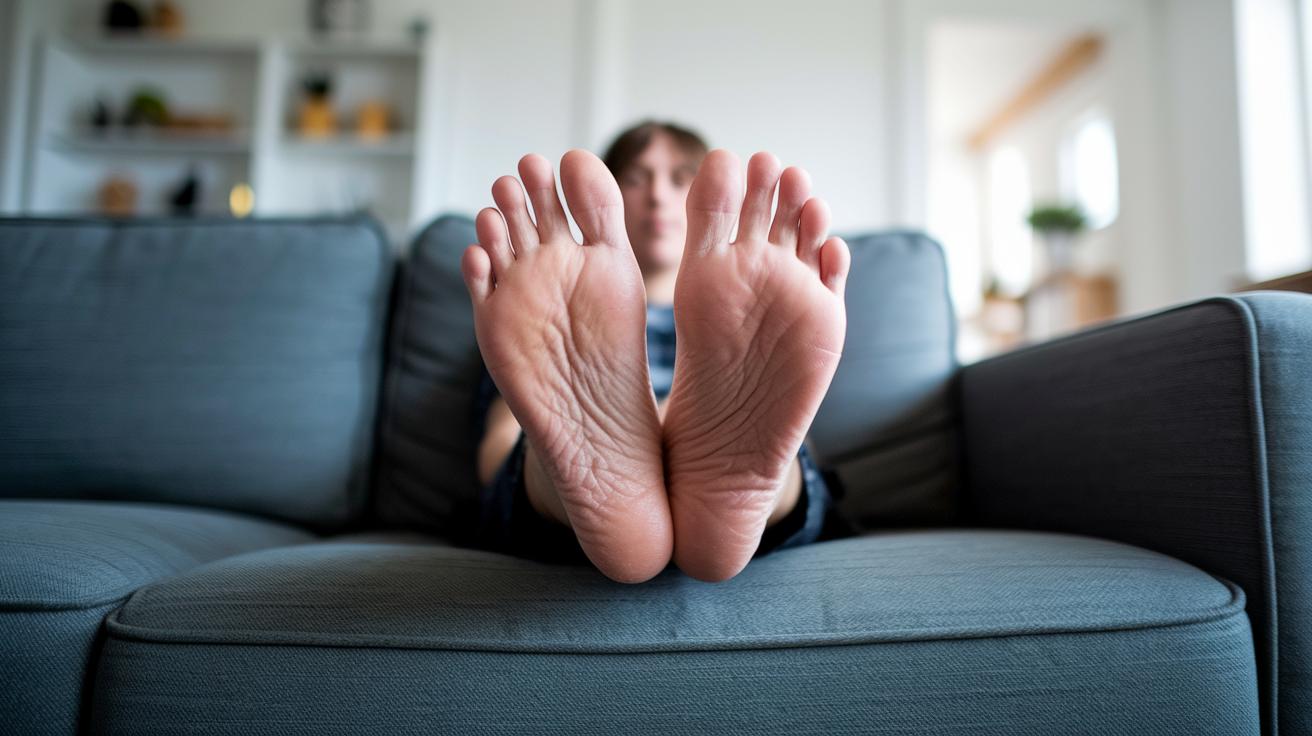
Water retention happens when extra fluid builds up around your cells, causing parts of the body, like your legs, ankles, or face, to swell. This usually occurs when fluid leaks out from tiny blood vessels into nearby tissues.
Imagine soaking a sponge in water. As it absorbs more water, the sponge not only grows larger but also feels firmer. In the body, higher pressure in small vessels pushes fluid out, much like that sponge effectively trapping water.
Low levels of blood proteins or a slow-moving lymph system (which helps clear out waste) can also lead to this fluid buildup. This type of swelling is different from gas-related bloating that can ease when you pass gas.
You might even notice a constant feeling of heaviness or a slight tightness in your muscles. Think of it like a balloon that’s filled too much, it becomes heavier and feels tighter.
Edema-Reducing Diet Tips for Water Retention
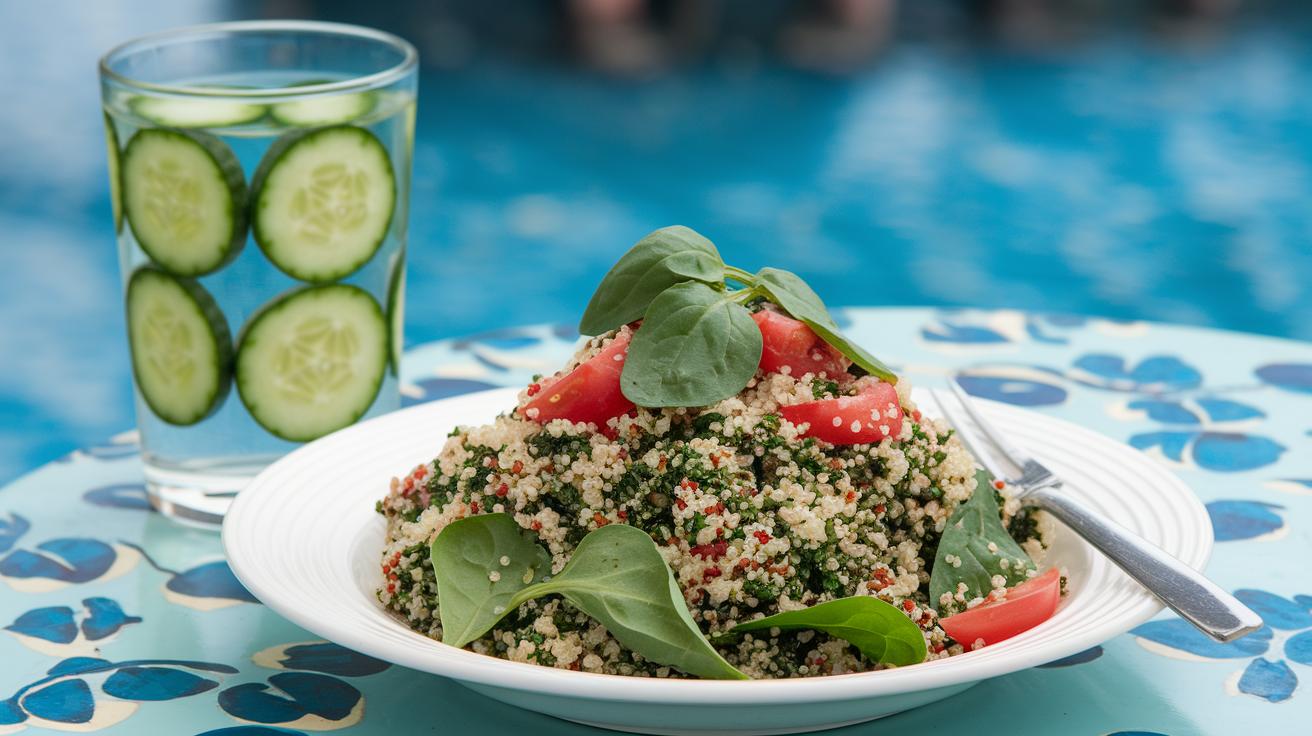
Changing your daily eating habits can help your body let go of extra water. Instead of grabbing processed foods loaded with salt, like white bread, pasta, or sweets, try switching to more natural choices. Whole grains and fiber-rich foods such as quinoa, barley, or millet can ease swelling and help digestion. For example, replace white bread with a warm bowl of quinoa salad and notice how light you feel.
Another smart tip is to choose foods high in potassium. Bananas, sweet potatoes, spinach, and tomatoes help balance electrolytes, which play a key role in managing water levels. Combine them with magnesium-rich options like almonds, pumpkin seeds, and whole grains to help your body handle salt better. If you’re looking for more ideas, explore plant-based whole foods.
Staying well-hydrated is also important. Drinking water throughout the day is essential, but you can mix it up with cucumber or celery-infused drinks. Herbal teas made with citrus fruits and ginger not only taste great but also support kidney function with a gentle diuretic effect. Try this simple tip: steep lemon slices and a bit of ginger in hot water for a soothing, anti-bloat drink.
Fiber-rich foods like peas and beets improve digestion and help reduce puffiness. Adding these anti-bloat choices to your meals can naturally support your body's fluid regulation. Every healthy swap you make is a step toward feeling lighter and more energized.
Herbal Diuretics to Combat Water Retention
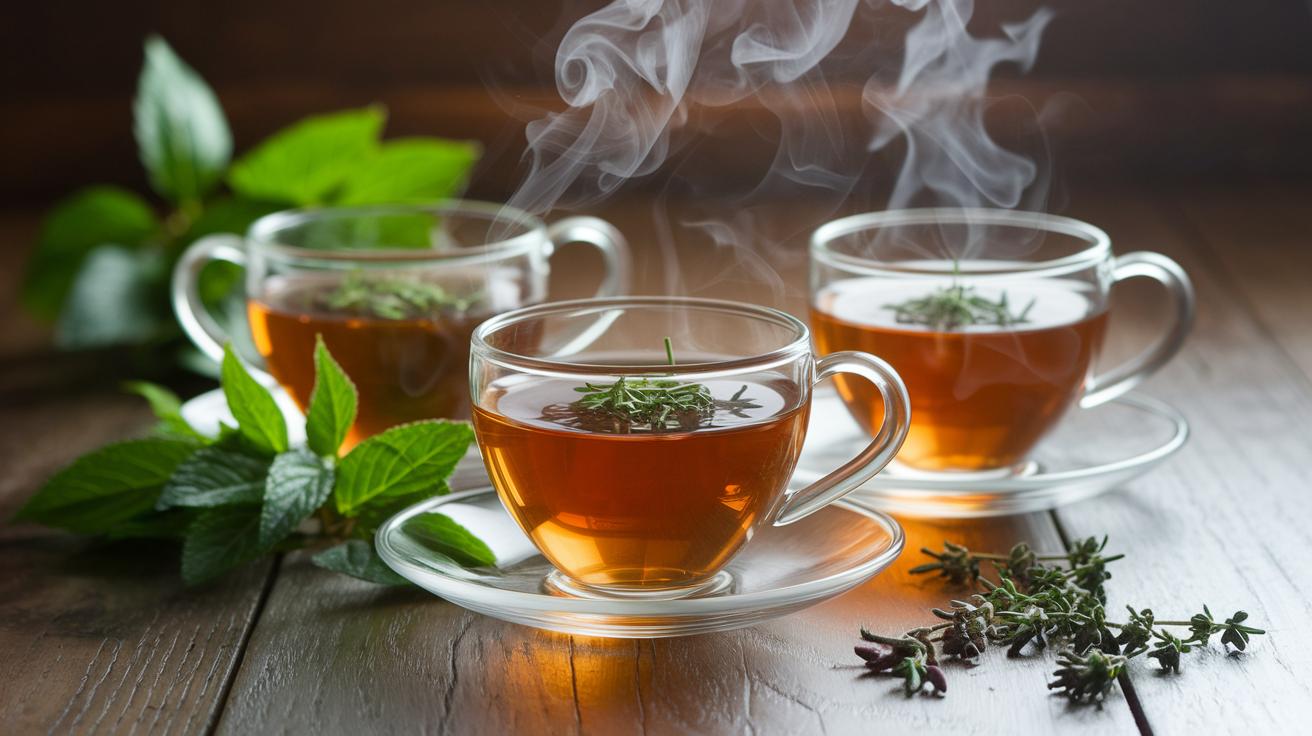
Dandelion is a natural way to help your kidneys filter fluids. This herb boosts the potassium in your body, which can make it easier for your kidneys to work. Try enjoying a cup of dandelion tea once or twice a day. To make it, steep a teaspoon of dried dandelion leaves in hot water for about five minutes. The taste is light and refreshing.
Parsley tea is another simple remedy. This tea is rich in compounds called apiol and myristicin, which give it a mild diuretic effect while also offering antioxidants. To prepare, steep a small bunch of fresh parsley in boiling water and let it sit for ten minutes. You might notice it helps ease any swelling when added to your routine.
Green tea isn’t just a familiar, tasty beverage. It contains natural caffeine and catechins (plant compounds that can help reduce inflammation), which work together to encourage your body to shed extra water. Sipping green tea between meals is a gentle way to help keep your fluid balance in check.
Remember, herbal diuretics can sometimes interact with medications. It’s a good idea to chat with your healthcare provider before adding any new herbal remedy to your routine. Experiment with these botanicals and find a mix that suits your body. For more detailed herb profiles and safety tips, visit Medicine Herbs at https://siluk.net?p=364.
Lifestyle Modifications to Combat Water Retention

Moving around every day can really help reduce swelling. A simple walk or some light resistance exercises can boost your circulation and support the flow of lymph fluid. This way, extra fluid is less likely to settle in one spot.
Here are some easy tips to try:
- Do aerobic or resistance activities daily. This helps your body move any extra fluid.
- Raise your legs for 15 to 20 minutes, three times a day. You might also want to use gentle dry brushing or a soft self-massage to encourage fluid drainage. Imagine resting your legs on a cozy pillow and enjoying the soothing pressure.
- If you’re on a long flight or desk bound for hours, wear compression garments. And try to avoid clothing that is too tight around your wrists and ankles.
- Switch up your water temperature during your shower by using 30 seconds of warm water, then 30 seconds of cold water. Warm water relaxes you, while the burst of cold water helps get your circulation going.
- Take a break every 30 to 45 minutes to stand up or walk around, which keeps your blood flowing and prevents fluid from pooling.
Adding these small habits to your routine can help manage extra water and improve your overall well-being.
DIY Remedies and Home Cures for Water Retention
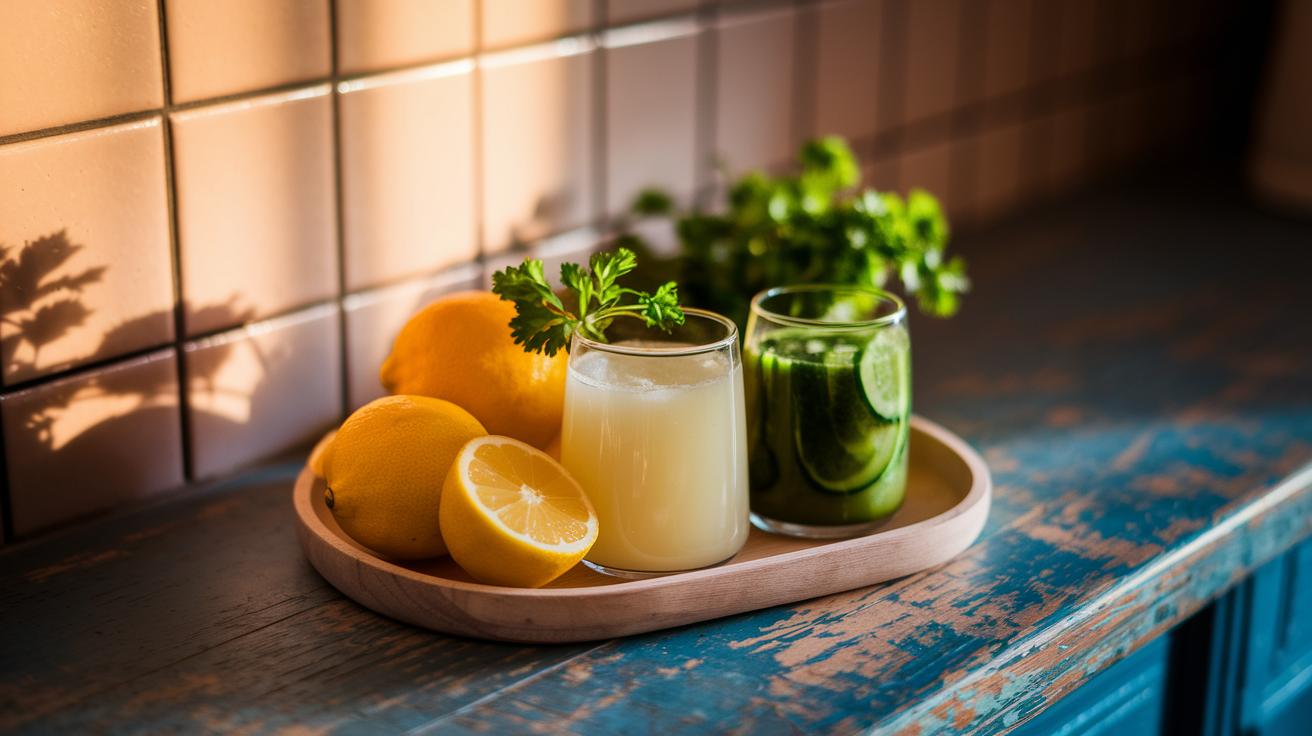
Try a simple lemon-ginger drink to help with bloating. Squeeze the juice from half a lemon into a cup of hot water and add a one-inch slice of fresh ginger. Let it sit for about ten minutes so it can help your body shed extra water. Did you know that lemon gives a bright burst of flavor and might even help balance your fluids? For more details, check out this link: Lemon detox recipes.
Next, make a cool cucumber-parsley juice. Blend one cup of chopped cucumber with ½ cup of parsley and add enough water to reach your favorite consistency. Think of this drink as a refreshing splash that helps get rid of extra water while filling you with a natural, cool feeling.
Another idea is an Epsom salt foot soak. Stir two tablespoons of Epsom salt into a basin of warm water and soak your feet for about fifteen minutes. This simple soak lets your body absorb magnesium and can ease swelling around your ankles, leaving you feeling lighter and more relaxed.
You can also try an herbal tea using a mix of dandelion root, fennel seeds, and horse chestnut. Use one teaspoon of each herb, steep them in hot water, and let it brew. This tea is a natural way to support healthy fluid levels. Just be sure to measure your ingredients carefully. And if you’re pregnant, breastfeeding, or taking diuretic medicine, it’s best to avoid this blend.
- Always measure ingredients carefully.
- Follow the steeping instructions to get the best results.
- Talk with a healthcare professional if you have any concerns.
Final Words
In the action of applying simple, effective tips, we explored various natural ways to tackle water retention. The post covered understanding fluid buildup, smart dietary choices with potassium and magnesium, gentle herbal diuretics like parsley tea, and lifestyle adjustments such as exercise and leg elevation.
These natural remedies for water retention offer easy, everyday solutions to help you feel more balanced and comfortable. Embrace these strategies and enjoy a positive shift in your well-being every day.